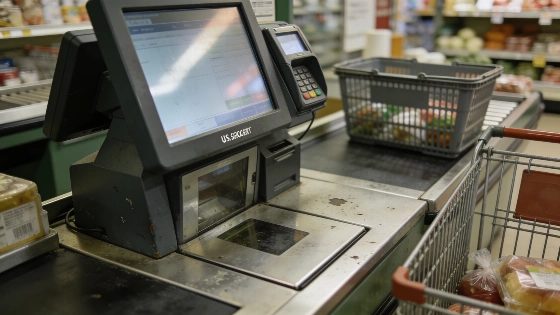
Publix is removing the 10-item limit from express checkout lanes in select stores, aiming to speed up lines but sparking mixed reactions from shoppers and employees as the grocer faces sales pressure and shifting consumer habits
Publix, one of the largest grocery chains in the Southeast with more than 1,400 locations, is rolling out a major change to its checkout process that could affect how quickly customers get through the line. The company has begun removing the long-standing 10-items-or-less rule from its express lanes in select Florida stores, replacing it with signage that simply reads "Express." According to reporting by Jacksonville.com, this policy shift is intended to give store associates more flexibility in managing customer flow and to reduce wait times at checkout.
The move comes after a series of in-store changes that have drawn criticism from some shoppers. Earlier this year, Publix discontinued Publix Pay, its in-app contactless payment system, and revised its open-carry policy to restrict firearm carry to law enforcement only. Both decisions prompted vocal responses from customers, including boycott threats and complaints on social media.
Reactions to the express lane change have been mixed. Some Publix employees and shoppers have voiced frustration online, arguing that the absence of an item limit undermines the purpose of an express lane and could slow down the process for those with smaller baskets. Others see the change as a practical adjustment, noting that the speed of checkout often depends more on the type of items being purchased than the total number. The company says the new approach is designed to improve efficiency and allow staff to better manage fluctuating traffic at the registers.
Publix's decision comes at a time when the grocery sector is under pressure from changing consumer behavior and rising costs. In the second quarter of 2026, Publix reported a 0.5% year-over-year decline in comparable store sales, citing economic conditions that have led many shoppers to cut back on grocery spending. According to the company's latest earnings release, inflation and higher food prices have prompted more Americans to seek out lower-priced brands, buy fewer items, and rely more heavily on coupons and promotions.
Store Upgrades and Competitive Pressures
To counter these headwinds, Publix has accelerated the rollout of new and remodeled stores, especially in Florida. These locations feature wider aisles, expanded self-checkout options, and more space for online order pickup and delivery. The company is betting that a more seamless in-store experience will help retain customers who might otherwise shift to discount grocers or warehouse clubs.
Industry analysts note that the grocery sector is seeing a broader realignment as shoppers become more price-sensitive. Research from Bain & Company found that grocery prices have risen 2% to 3% year over year since February, roughly in line with overall food-at-home inflation. As a result, 80% of U.S. consumers are actively trying to spend less on groceries, with many switching to value-focused chains such as Walmart, Aldi, and Dollar General.
Other major retailers are also adapting to these shifts. For example, Target has seen a rebound in sales but faces skepticism from analysts about the sustainability of its gains, as discussed in this recent analysis of Target's stock outlook. The competitive landscape is forcing grocers to invest in technology, store design, and customer service to maintain market share.
Consumer Response and Checkout Experience
The elimination of the express lane item cap has sparked debate among Publix shoppers and staff. Some worry that the change will lead to longer waits for those with just a few items, while others argue that flexibility at the register could help stores adapt to real-time demand. On platforms like Reddit, employees have described being instructed to serve all customers at express lanes, regardless of basket size, and some shoppers say they may avoid the lanes if they see carts loaded with groceries ahead of them.
Publix maintains that the new policy is about improving efficiency and customer satisfaction. The company says associates are now empowered to direct traffic as needed, rather than strictly enforcing an item count. Whether this approach will deliver faster checkouts or frustrate regulars remains to be seen, but it reflects a broader trend of grocers rethinking traditional store policies in response to evolving consumer expectations.
Publix's latest changes come as the company faces a challenging retail environment. According to its second-quarter 2026 earnings report, comparable store sales fell 0.5% from the prior year, with management citing economic pressures and shifting consumer behavior as key factors. The company's efforts to modernize stores and streamline checkout are part of a larger strategy to win back shoppers and adapt to a more competitive grocery market.
As the grocery industry continues to evolve, the effectiveness of these changes will likely depend on how well they balance operational efficiency with the needs of time-pressed customers. For now, Publix is betting that greater flexibility at the register will help it keep pace with rivals and meet the demands of today's shoppers.
Express checkout lanes have long been a fixture in U.S. supermarkets, designed to speed up the process for customers with only a handful of items. The logic is simple: by limiting the number of items, stores can move smaller orders through more quickly, reducing congestion at the main registers. But as shopping habits change and technology advances, some retailers are rethinking whether strict item limits still make sense. The trade-off is between predictability for shoppers with small baskets and flexibility for stores to manage fluctuating traffic. Ultimately, the success of any checkout policy depends on how well it aligns with customer expectations and the realities of in-store operations.