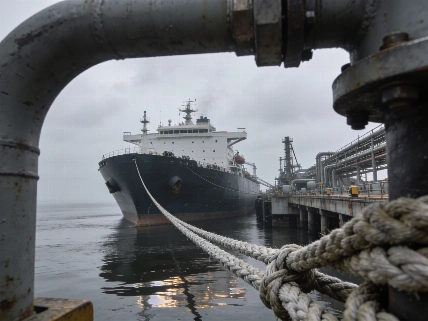
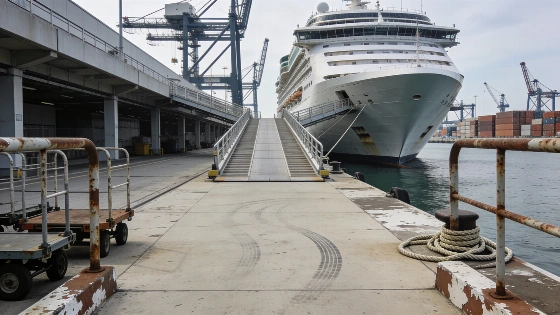
Royal Caribbean is canceling several 2027 U.S. sailings as it shifts major ships to Asia-Pacific and Australia, forcing travelers to reconsider plans and raising questions about cruise industry strategy
Royal Caribbean is canceling a series of U.S.-based cruises scheduled for 2027 as it reallocates two of its major ships, Navigator of the Seas and Ovation of the Seas, to new routes in Asia-Pacific and Australia. The move, confirmed by the company this week, affects sailings that were set to depart from Los Angeles and visit Mexican ports. The decision is part of Royal Caribbean's broader push to expand its presence in the Asia-Pacific region for the 2027-28 season, according to reporting by People.
Travelers who had already booked these now-canceled voyages are being notified directly by Royal Caribbean, which is offering them options to rebook on other itineraries or receive full refunds, including prepaid add-ons. The company cited the need to adjust schedules and port agreements as it shifts capacity to meet changing demand and operational requirements. This is not the first time Royal Caribbean has made such changes; earlier in 2027, the cruise line also canceled more than 20 Freedom of the Seas sailings from the U.S. after deciding to redeploy that ship to Southampton, England.
Asia-Pacific Focus
Navigator of the Seas will begin operating year-round in Asia starting October 2026, continuing through October 2027. The ship will offer a mix of short two- to five-night cruises around Southeast Asia, with stops in countries such as Vietnam, Malaysia, and Thailand. A longer 12-night voyage from Tokyo to Singapore is also planned. Bookings for these new itineraries have already opened, reflecting Royal Caribbean's confidence in the region's growth potential.
Meanwhile, Ovation of the Seas will be repositioned to Brisbane, Australia, for the 2027-28 season. The ship's schedule includes a range of options, from four-night getaways to Airlie Beach in Queensland's Whitsunday region to longer three- to eight-night cruises exploring destinations throughout Australia and nearby areas. These changes mark a significant shift in Royal Caribbean's deployment strategy, as the company seeks to capture rising demand in Asia-Pacific markets.
Impact on U.S. Travelers
The cancellations leave some U.S. travelers scrambling to adjust their vacation plans, especially those who had booked well in advance for 2027 departures from Los Angeles. While Royal Caribbean is providing alternatives and refunds, the disruption highlights the risks of booking cruises years ahead, particularly as cruise lines continue to adapt to shifting global demand and operational realities. For U.S. consumers, the move may signal a longer-term trend of major cruise operators diversifying away from traditional North American routes in favor of emerging international markets.
According to Cruise Lines International Association, the Asia-Pacific region has seen steady growth in cruise passenger volume over the past decade, with pre-pandemic figures showing more than 4 million passengers in 2019. While the U.S. remains the world's largest cruise market, operators are increasingly looking to Asia-Pacific for expansion, driven by rising middle-class incomes and growing interest in cruise vacations across the region.
Fleet Strategy and Market Dynamics
Royal Caribbean's redeployment decisions reflect a broader industry trend toward dynamic fleet management. Cruise lines regularly review ship assignments based on demand forecasts, port infrastructure, and profitability. The company's willingness to cancel established U.S. itineraries in favor of new international routes underscores the competitive pressures and evolving consumer preferences shaping the sector. For investors and travelers alike, these shifts highlight the importance of monitoring cruise line announcements and understanding the factors that drive route changes.
Royal Caribbean Group, the parent company, reported $13.9 billion in revenue for 2023, with North America accounting for the majority of bookings. However, the company has identified Asia-Pacific as a key growth market, citing favorable demographics and increasing port capacity. As cruise lines continue to recover from pandemic-era disruptions, strategic redeployments like these are likely to remain a feature of the industry's landscape.
Fleet redeployment is a complex process involving negotiations with ports, regulatory approvals, and logistical planning. For cruise operators, the ability to shift ships between regions allows for greater flexibility in responding to market changes, but it also introduces uncertainty for travelers booking far in advance. Consumers considering cruise vacations may want to pay close attention to cancellation policies, rebooking options, and the financial implications of itinerary changes, especially as the industry continues to evolve in response to global trends.