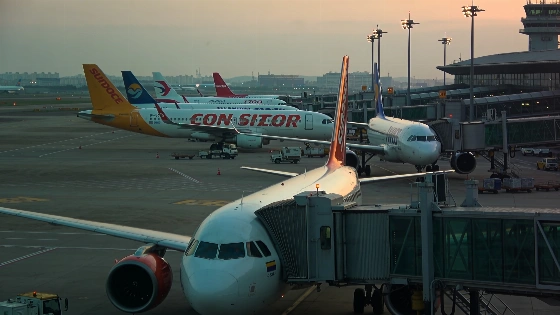
Three South Korean budget airlines plan to merge by 2027, consolidating routes and fleets under Jin Air. The move could reshape competition and pricing for travelers as regulators weigh approval and antitrust concerns mount.
Asia's low-cost airline sector, once a symbol of rapid growth and affordable travel, is facing a new wave of consolidation as market pressures intensify. In a major development for the region, three South Korean budget carriers-Jin Air, Air Busan, and Air Seoul-have announced plans to merge into a single airline by March 2027, according to The Korea Herald. The combined entity will operate under the Jin Air brand, absorbing the assets, liabilities, and employees of Air Busan and Air Seoul.
The merger comes as the no-frills airline model, which gained traction in Asia after AirAsia's 2001 rebranding, has become less effective in the face of fierce competition and market saturation. Mainstream airlines have increasingly adopted basic economy offerings, eroding the unique value proposition of low-cost carriers. As a result, many budget airlines in Asia and beyond are struggling to maintain profitability and market share.
Industry Consolidation
The boards of all three airlines have approved the merger proposal, which is still subject to regulatory review by South Korean authorities. The deal is part of a broader consolidation effort, as Korean Air (parent of Jin Air) and Asiana Airlines (parent of Air Busan and Air Seoul) are themselves in the process of merging by the end of 2026. The goal is to streamline operations, combine route networks, and reduce overlapping costs in a highly competitive market.
Once finalized, the merger will create the largest low-cost airline in South Korea, with a combined fleet of 58 aircraft. The new Jin Air will take over all routes, staff, and legal obligations of the two smaller carriers. Customers will see a unified booking platform and consolidated airport services, eliminating the separate brands and check-in counters currently in use.
Regulatory and Market Impact
The proposed merger has sparked debate over its potential impact on competition and consumer choice. With fewer independent low-cost carriers, some South Korean travelers and industry observers worry that fares could rise and service options could narrow. The deal requires approval from South Korea's transport regulators, who will assess whether the consolidation creates an anticompetitive environment or unfairly limits market access.
Jin Air has stated that safety and operational integration will be top priorities during the transition. While the company has not yet detailed changes to its flight network or workforce, it has indicated plans to leverage Air Busan's international routes, particularly those serving the southeastern city of Busan. The merger ratio values one Jin Air share at 0.29 and 0.75 of Air Busan and Air Seoul shares, respectively, reflecting the relative size and financial position of each carrier.
Financial and Consumer Stakes
For U.S. investors and travelers, the consolidation of South Korea's budget airline sector signals a broader trend of industry shakeouts in Asia's aviation market. As low-cost carriers face rising costs, competitive pressure, and shifting consumer demand, mergers and exits may become more common. The outcome could affect airfare pricing, route availability, and partnership opportunities for U.S. airlines and travel companies operating in the region.
According to the International Air Transport Association (IATA), Asia-Pacific airlines carried 361 million passengers in 2023, up 98% from the previous year as travel rebounded post-pandemic. South Korea's aviation market has seen a surge in demand, but also faces challenges from high fuel prices, currency fluctuations, and regulatory hurdles. The success or failure of the Jin Air merger could influence how other Asian markets approach airline consolidation and competition policy in the years ahead.
Low-cost carriers, or LCCs, have historically relied on high aircraft utilization, simplified service, and aggressive pricing to attract price-sensitive travelers. As traditional airlines adopt similar strategies and market saturation increases, LCCs must adapt or risk being absorbed by larger players. For consumers, consolidation can mean fewer choices and potentially higher fares, but also the possibility of more stable service and expanded route networks if integration is managed effectively. Regulatory oversight remains critical to ensuring that mergers do not undermine competition or consumer welfare in the long run.