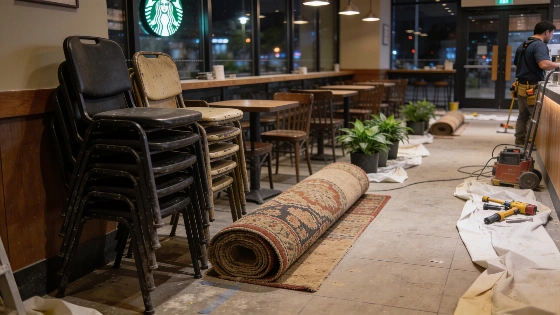
Starbucks is spending $1 billion to overhaul thousands of cafes with new seating and design, aiming to boost customer traffic and justify premium prices as rivals slash costs
Starbucks is making a $1 billion investment to remodel up to 9,000 company-operated North American cafes, marking a decisive shift from its recent emphasis on mobile orders toward enhancing the in-store experience. This large-scale renovation effort signals a move away from the mobile-order-only strategy that defined the past several years.
Each store renovation, with an average cost of $150,000, is intended to transform Starbucks locations from quick pickup points into inviting destinations where customers are encouraged to stay. Upgrades include 25,000 new chairs, softer lighting, rugs, plants, and additional power outlets-features designed to create a more comfortable, living room-like atmosphere. All remodeling work is scheduled overnight to prevent sales disruptions from daytime closures.
Starbucks has already renovated over 1,000 stores in the first nine months of its 'uplifts' program, with plans to reach about 1,500 remodeled locations by the end of the current fiscal year.
Turning the page
CEO Brian Niccol, who joined Starbucks two years ago after leading a turnaround at Chipotle, has declared the company's recovery phase complete. He is now focusing on physical comfort and ambiance as key drivers for customer retention, even as competitors such as McDonald's and Dunkin' pursue traffic through price reductions.
Niccol is redirecting investment away from mobile-order-only formats in major cities and recommitting to the full cafe model. Starbucks refers to these changes as "uplifts," with the objective of increasing in-store traffic and encouraging longer visits, thereby supporting higher average checks and reinforcing the brand's premium pricing. According to a Reuters financial review, the company is also increasing spending on staff to reduce wait times and restore the traditional coffeehouse atmosphere, which executives believe was diminished during the period of mobile order dominance.
Sales up, revenue down
In its fiscal third quarter, Starbucks reported a 7.9% increase in global same-store sales, driven by a 4.2% rise in transactions and a 3.5% increase in average ticket size. U.S. same-store sales have now grown for four consecutive quarters. Adjusted earnings surpassed Wall Street expectations by nearly 31%, leading management to raise full-year guidance to $2.55-$2.65 per share. CNBC reported that Starbucks is on track to reach approximately 1,500 renovated stores by the end of the fiscal year, with thousands more planned for the following year.
However, total revenue declined slightly year-over-year. The primary reason was a joint venture in China that transferred majority ownership of local stores to Boyu Capital, reducing Starbucks' stake to 40% and requiring the company to stop including all those sales in its consolidated results. While the deal improved operating margins, investors are monitoring whether this trend will continue as the China business evolves.
CEO Brian Niccol has stated that the 'Back to Starbucks' initiative has moved beyond the turnaround phase and is now serving as a platform for the next stage of growth, with a renewed focus on service, remodeling, and deeper customer engagement.
What investors are watching
The scale of Starbucks' renovation program means the company will be making significant capital expenditures for several quarters. In addition to the $1 billion allocated for physical upgrades, Starbucks is investing another $500 million in service training and new ordering technology to reduce wait times. Wall Street's average 12-month price target for Starbucks stock is $119, compared to a recent close of $98.74.
The outcome of this investment is not assured. Only about 1,500 of the planned 9,000 store renovations will be completed by the end of September. For the strategy to succeed, Starbucks must continue to grow cafe traffic and sustain momentum in international markets, particularly following the China restructuring. The company's approach contrasts with the deep discounting seen at competitors, as Starbucks seeks to defend its margins by offering a differentiated experience rather than lower prices. As highlighted in a CNBC interview with Niccol, the next phase will focus on improved service, remodeling, and stronger customer relationships, marking a shift from digital convenience to in-store engagement.
Experience over discounts
Starbucks' strategy reflects a broader lesson from consumer brands that have attempted to regain customers through price cuts, often at the expense of their value proposition. As previously reported, sustained investment in quality and customer loyalty can outperform short-term promotional tactics. Starbucks is wagering that its substantial investment in comfort and ambiance will yield more durable growth than competing on price alone.
For U.S. investors and coffee consumers, the coming year will test whether customers are willing to pay a premium for an enhanced in-store experience, or if the market for premium coffee has reached its limit. With the stock up about 30% since Niccol's arrival, Starbucks now faces the challenge of demonstrating that its recovery is more than cosmetic and that its core business can continue to grow even as competitors cut costs and economic pressures persist. The company's commitment to investing in physical upgrades, rather than pursuing short-term trends, represents a calculated risk that could either strengthen its brand or reveal the limits of its pricing power in a competitive market.
According to the Federal Reserve's July 2026 Beige Book, consumer spending on food services and drinking places has remained resilient despite ongoing inflation, though growth has slowed compared to the previous year. The S&P 500 Consumer Discretionary sector, which includes Starbucks, posted a 6.2% gain in the second quarter, lagging the broader index as investors assess the effects of higher interest rates and changing consumer behavior.
Remodeling a retail chain at this scale is more than an aesthetic upgrade. For Starbucks, the physical environment is integral to its pricing strategy and brand identity. By investing in customer experience, the company is betting that consumers will reward quality and comfort with loyalty and higher spending. However, the risk remains: if customer traffic does not increase or if economic challenges intensify, the return on this investment could fall short, raising questions about whether ambiance alone can sustain premium pricing in a market where convenience and value remain critical.