Starbucks is rolling out a new Pumpkin Spice Latte-themed merchandise line, aiming to capture seasonal demand and boost in-store spending as consumer budgets tighten ahead of fall
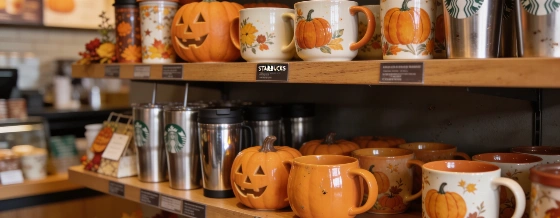
Starbucks is launching a new collection of Pumpkin Spice Latte (PSL) merchandise in U.S. stores starting August 25, targeting customers who eagerly anticipate the return of its signature fall beverage. The PSL Society collection features a range of drinkware and accessories designed to tap into the seasonal enthusiasm that has made the Pumpkin Spice Latte a recurring sales driver for the company each autumn.
The new lineup includes a 12-ounce gourd mug ($19.95), a 16-ounce PSL glass cold cup ($24.95), a 24-ounce Owala + Starbucks stainless steel water bottle ($32.95), a 12-ounce stainless steel tumbler with a PSL charm ($22.95), a PSL-themed hat ($29.95), a 16-ounce stainless steel orange cold cup ($29.95), and a 12-ounce PSL ceramic mug ($19.95). Each item is designed with fall colors and pumpkin-inspired details, reflecting the beverage's branding and the broader trend of seasonal consumer products.
For Starbucks, the PSL is more than a menu item-it's a proven strategy to boost foot traffic and average transaction size during the fall. According to company filings, Starbucks generated $9.4 billion in U.S. revenue for the quarter ending December 31, 2025, with seasonal promotions like the Pumpkin Spice Latte contributing to higher same-store sales. The company has historically seen a spike in customer visits and merchandise sales during the PSL launch period, as limited-edition products encourage impulse purchases and repeat visits.
While the PSL Society collection is positioned as a fun way for fans to celebrate the season, it also reflects a broader retail strategy. As inflation and higher interest rates continue to pressure household budgets, discretionary spending on specialty beverages and branded merchandise faces increased scrutiny. Starbucks is betting that the emotional connection to its fall tradition will help offset these headwinds, driving both beverage and merchandise sales even as consumers become more selective with their spending.
For consumers, the cost of branded drinkware and accessories can add up quickly, especially when paired with premium-priced beverages. While some fans may view these items as collectible or gift-worthy, others may weigh the purchase against competing priorities such as groceries, utilities, or debt payments. The company's approach highlights the ongoing challenge for retailers: balancing the appeal of seasonal excitement with the realities of consumer financial constraints.
Starbucks' seasonal marketing strategy is a case study in how companies use limited-edition products and nostalgia to drive demand. The Pumpkin Spice Latte, first introduced in 2003, has become a cultural phenomenon, spawning imitators across the food and beverage industry. For Starbucks, the PSL's enduring popularity provides a recurring opportunity to test new merchandise, experiment with pricing, and reinforce brand loyalty-while also navigating the risks of shifting consumer sentiment and economic uncertainty.
Seasonal merchandise like the PSL Society collection illustrates how retailers leverage emotional branding and limited-time offers to influence consumer behavior. While these strategies can generate short-term sales boosts, they also require careful management of inventory, pricing, and marketing to avoid overextension or backlash. For consumers, the decision to participate in seasonal trends often comes down to personal priorities, budget flexibility, and the perceived value of the experience or product.