
U.S. stocks slipped after the Treasury Department announced a major increase in long-term bond repurchases, sending yields higher and sparking a sharp rally in Bitcoin and other cryptocurrencies
U.S. stocks edged lower Thursday as investors reacted to a significant policy move from the Treasury Department, which announced plans to more than double its repurchases of 10-, 20-, and 30-year government bonds in the coming months. The decision marks a notable shift in the government's approach to managing long-term debt and comes after a period of heightened volatility in Treasury yields.
The yield on the 30-year Treasury bond, which had recently reached its highest level in nearly two decades, reversed its sharp decline from the previous session. Rising yields tend to increase borrowing costs for businesses and consumers, and can weigh on equity valuations, especially for growth-oriented sectors. The Treasury's move is intended to support liquidity in the long end of the bond market, but it also signals ongoing concerns about the cost of servicing federal debt as interest rates remain elevated.
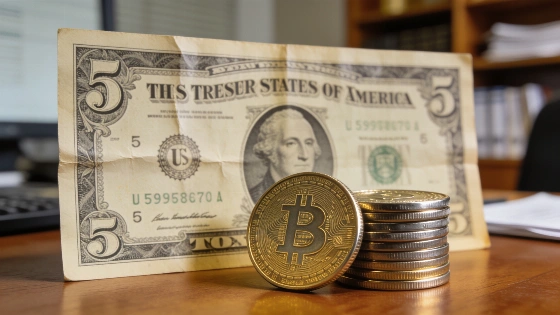
While the bond market digested the Treasury's announcement, the cryptocurrency market saw a burst of activity. Bitcoin jumped 11.5% in early trading to $71,808.74, according to reporting by TheStreet. Other major digital assets also rallied, as investors appeared to rotate into riskier assets amid shifting expectations for interest rates and liquidity.
Geopolitical tensions added another layer of uncertainty. President Donald Trump stated on social media that he would launch a "crushing economic operation" against Iran, a move Tehran dismissed as a diversion. While the immediate market impact was limited, such rhetoric can increase volatility in energy and defense-related sectors, and may influence investor sentiment if the situation escalates.
On Wednesday, major indexes had managed to break a three-day losing streak, closing slightly higher. But Thursday's session saw renewed pressure as traders weighed the implications of the Treasury's actions alongside the latest Federal Reserve meeting minutes, which signaled a more hawkish stance than some market participants had anticipated. Policymakers remain focused on inflation risks, but are also monitoring the potential drag from higher long-term borrowing costs.
Looking ahead, investors are awaiting next week's speech by Federal Reserve Chair Kevin Warsh at the Jackson Hole Economic Symposium. The event is often used by central bankers to signal policy shifts or clarify their outlook. Market participants will be watching closely for any indication of whether the Fed's recent hawkish tone will translate into further rate hikes or a more cautious approach to monetary tightening.
According to Federal Reserve data, the yield on the 10-year Treasury note closed at 4.32% on August 19, 2026, up from 4.18% a week earlier. The S&P 500 slipped 0.4% in Thursday's session, while the Nasdaq Composite fell 0.6%. Trading volumes were above average, reflecting heightened investor attention to policy developments and global risks.
Bond buybacks are a tool the Treasury Department can use to manage the maturity profile and liquidity of government debt. By repurchasing longer-dated bonds, the government can help smooth out market disruptions and potentially lower the cost of future borrowing. However, the effectiveness of such operations depends on broader market conditions, investor confidence, and the trajectory of interest rates set by the Federal Reserve. For individual investors, changes in Treasury yields can affect everything from mortgage rates to the returns on savings accounts and fixed-income investments.