T-Mobile US is raising its quarterly dividend 15% to $1.17 per share as it expands AI network upgrades nationwide. Higher bills and rival promotions could put customer retention under pressure.
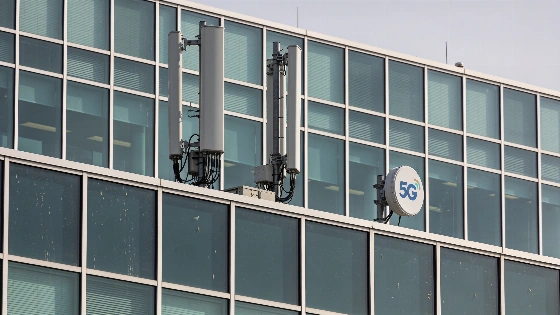
On 24 September 2026, T-Mobile US raised its quarterly dividend 15% to $1.17 per share. The company also said it was expanding AI-powered AutoPilot and Dynamic CX nationwide. T-Mobile says AutoPilot is part of its Self-Organizing Network. Tests showed real-time network adjustments could happen about twice as fast as before, according to its network announcement.
Better network performance does not settle the bigger business question. T-Mobile needs to turn those improvements into more valuable postpaid, broadband and adjacent revenue. It also needs to keep churn and promotional costs in check. That is the test.
At $1.17 per quarter, T-Mobile's dividend would total $4.68 per share on an annualized basis if the payout is maintained for a full year.
Higher bills put customer loyalty to the test. As T-Mobile updates its rate plans, some customers may push back against higher charges. Competitors are also using promotions to attract and keep subscribers. Retention may matter more in the near term than the dividend announcement.
T-Mobile's U-wifi MVNO deal offers another path to growth. Announced on 25 September, the program aims to expand affordable internet access nationwide. Its consumer launch is planned for 1 October 2026. U-wifi linked the agreement to the end of FCC Affordable Connectivity Program subsidies and said it aims to address an "internet affordability crisis." The program uses existing 5G capacity to reach price-sensitive households. That ties the deal to T-Mobile's broadband plans, rather than making it just another wholesale label.
Independent coverage of T-Mobile's nationwide AI rollout also noted that Dynamic CX is intended to anticipate event-driven demand spikes. TelecomTV reported that AutoPilot can make network adjustments in about half the time.
The dividend increase is clear: $1.17 per share each quarter, up 15%. The current analyst forecast puts revenue at $104.8 billion and earnings at $17.9 billion by 2029. It assumes annual revenue growth of 4.4% and an earnings increase of about $7.3 billion from the reported $10.6 billion. These are forecasts, not results. They depend on T-Mobile sustaining growth while it manages competition.
A more bullish analyst scenario puts revenue at about $106.4 billion and earnings at $21.5 billion by 2029. That scenario came before the dividend increase and U-wifi agreement. The gap between the estimates shows how much the long-term case depends on assumptions about growth and execution. A separate fair-value analysis cited in the source material suggests 49% potential upside to the current share price. That is a valuation estimate, not a promised return or a substitute for weighing the risks.
The payout does not remove balance-sheet or regulatory risks. Product-tying cases and T-Mobile's high debt load still matter. Neither the dividend increase nor the network announcements materially changes those pressure points. A prior dividend analysis of another company shows why investors should weigh a higher payout against the business conditions behind it.
A dividend returns cash to shareholders. It does not prove that a growth plan is working. Investors still need to judge whether operations can support both the payout and investment needs. T-Mobile's announcement pairs shareholder returns with network improvements. The real test is whether better service and broader reach can support revenue without prompting more churn or price concessions. The dividend signals confidence in cash generation. Sustained customer value must justify that confidence.