Recent recalls tied to Taylor Farms have affected lettuce and jalapeño products sold at major supermarkets and fast-food chains, highlighting the challenges consumers face in tracing the origins of fresh produce and the risks of foodborne illness
When a food safety scare hits the supply chain, the impact can ripple far beyond a single brand or restaurant. Taylor Farms, one of the largest producers of salads and fresh foods in North America, is at the center of two major recalls this summer-one involving iceberg lettuce linked to a widespread cyclosporiasis outbreak, and another tied to jalapeño peppers associated with salmonella. Both incidents have prompted recalls at major grocery retailers and fast-food chains, raising new questions about how easily consumers can identify the source of the produce they eat.
The Food and Drug Administration (FDA) traced the largest cluster of recent cyclosporiasis cases-an intestinal illness that can cause severe diarrhea-to iceberg lettuce grown by Taylor Farms. While the outbreak was first identified in Michigan, cases have now been reported in 47 states. The FDA has advised Americans to avoid certain Taylor Farms iceberg lettuce products, but the company notes that, as of early August, no product samples have tested positive for Cyclospora. Separately, Taylor Farms recalled jalapeño-containing products sold at retailers including Walmart, Target, and Trader Joe's in 26 states after a salmonella outbreak. The two outbreaks are not believed to be connected, but both highlight the complexity of tracing foodborne illness in a vast, distributed supply chain.
For consumers, the practical challenge is that Taylor Farms supplies a significant share of the lettuce and peppers used by both supermarkets and quick-service restaurants across the U.S. The company operates 30 processing facilities and employs more than 25,000 people, with annual revenues of $7 billion, according to a 2026 profile in UC Berkeley Haas Magazine. Its products are found in stores such as Walmart, Target, Safeway, Whole Foods, Meijer, Vons, Food4Less, H-E-B, Sprouts, Fry's, Albertsons, and Kroger. On the restaurant side, Taylor Farms produce has been served at Taco Bell, Chipotle, McDonald's, Subway, KFC, Long John Silver's, Pizza Hut, and Darden Restaurants brands like Olive Garden, based on past reporting and company disclosures. Yet, most consumers have no way to know the origin of the lettuce in a taco or salad ordered at a restaurant.
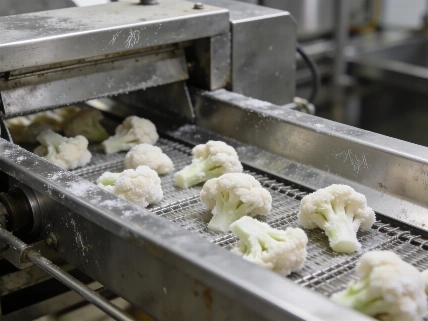
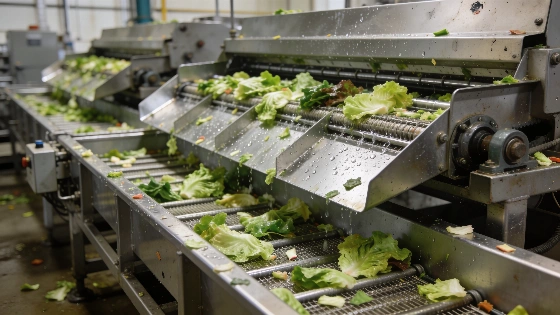
Food safety incidents are not new for Taylor Farms or the broader produce industry. The company has previously issued voluntary recalls for reasons ranging from undeclared allergens to potential contamination with E. coli or listeria. In 2025, Taylor Farms recalled salad kits due to undeclared ingredients, and in 2024, McDonald's temporarily removed Quarter Pounders over concerns about E. coli in raw onions. The company has also invested in food safety technology, including SmartWash Solutions, a system designed to reduce microbial cross-contamination during processing. Taylor Farms has worked with industry groups to promote best practices, but the recurring nature of recalls underscores the ongoing risks in large-scale fresh food production.
According to the Centers for Disease Control and Prevention (CDC), foodborne illnesses cause an estimated 48 million illnesses, 128,000 hospitalizations, and 3,000 deaths annually in the United States. Outbreaks linked to fresh produce are particularly challenging to investigate because of the short shelf life and the complexity of distribution networks. The FDA's investigation into the current cyclosporiasis outbreak is ongoing, and the agency continues to update its guidance as new information emerges.
For consumers, the lack of transparency in the supply chain means that avoiding recalled products can be difficult, especially when eating out. While grocery stores may post recall notices or remove affected items from shelves, restaurants rarely disclose the source of their produce. This reality puts the onus on regulators and producers to ensure food safety and rapid response when problems arise. As the fresh food industry grows more consolidated, the stakes for effective oversight and traceability continue to rise.
Food recalls can have significant financial and operational consequences for producers, retailers, and restaurants. For a company like Taylor Farms, which supplies both retail and foodservice channels, a major recall can disrupt supply contracts, damage brand reputation, and trigger costly legal and regulatory responses. For consumers, the most immediate risk is exposure to foodborne pathogens, which can lead to illness, missed work, and medical expenses. The broader economic impact includes lost productivity and increased healthcare costs, as well as potential shifts in consumer purchasing behavior following high-profile outbreaks.
Food safety in the U.S. relies on a combination of federal oversight, industry self-regulation, and consumer awareness. The FDA and CDC play central roles in investigating outbreaks and issuing recalls, but the effectiveness of these efforts depends on timely reporting, robust traceability systems, and cooperation from producers and retailers. As supply chains become more complex and global, the challenge of ensuring safe, traceable food grows. For consumers, staying informed about recalls and practicing safe food handling at home remain important, but systemic improvements in transparency and oversight are essential to reducing the risk of future outbreaks.
Understanding the scale and structure of the U.S. fresh produce supply chain is key to grasping why food safety incidents can have such wide-reaching effects. Companies like Taylor Farms operate at the intersection of agriculture, logistics, and retail, moving vast quantities of perishable goods through a network of farms, processing plants, distributors, and retailers. While this system delivers convenience and variety to consumers, it also creates vulnerabilities-when a problem occurs at one point in the chain, the consequences can quickly spread nationwide. As the industry continues to evolve, balancing efficiency with safety and transparency will remain a central challenge for both businesses and regulators.