VerifyMe shares shot up after a special dividend and SEC sign-off on its OpenWorld merger. With only 10 percent of the new company going to current holders, the deal's terms are under the microscope as the vote draws near.
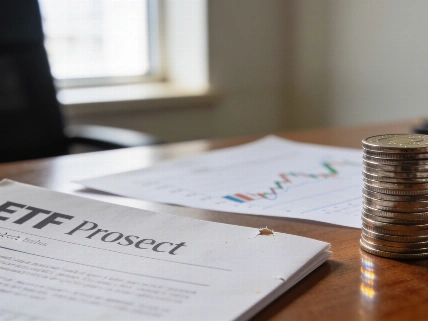
Traders rushed into VerifyMe Inc. on Thursday morning. The stock climbed 11.3 percent as news of a merger with Open World Ltd. and a special dividend set off a wave of short-term bets. The spark was a $0.15 per-share cash payout tied to the merger's close. That news had already sent the stock up 23 percent after hours earlier in the week, putting VerifyMe on the radar for event-driven traders.
But the deal is complicated. If the merger goes through, current VRME shareholders will end up with just 10 percent of the new company. The combined firm will take the OpenWorld, Inc. name and trade under the OPNW ticker. This setup has already triggered several shareholder-rights investigations. The focus: whether the board got fair value and met its duties. That's a common risk in micro-cap mergers, but it's front and center for anyone holding through the vote.
VerifyMe set the record date for the special dividend as September 29, 2026, with payment scheduled for October 2, 2026, contingent on the merger closing.
The SEC approved VerifyMe's Form S-4, locking in a September 24, 2026, shareholder vote. That cleared a big hurdle and sped up the timeline for closing the deal. The company is pushing hard for Proposal 6. If passed, it would create a new blockchain common stock class and allow dual listing on both Nasdaq and Figure's OPEN on-chain equity network. The goal is to make the new company an early player in tokenized public equity, with plans for longer trading hours and faster blockchain settlement.
An official SEC filing confirms the $0.15 per-share special dividend only gets paid if the Open World merger closes. Proxy materials sent to shareholders on August 14, 2026, make clear that both the dividend and the merger need shareholder approval and must meet other closing conditions. Market reports put the outside deadline for closing at October 31, 2026, but the company is aiming to finish sooner.
Financially, VerifyMe is a classic small-cap catalyst play. The stock nearly tripled from early September lows near $0.60 to a $1.95 spike after the dividend news, then settled around $1.15. Trading has been choppy, with thin liquidity and day traders jumping on swings between $1.22 and $1.51. The company posted $19.1 million in quarterly revenue and a 47 percent gross margin. But it's not profitable. Net income was negative $0.51 million, and EBITDA was negative $0.41 million last quarter. The balance sheet shows $5.1 million in cash and low debt (debt-to-equity of 0.11). Still, the real story is the merger and tokenization push, not current earnings.
The registration statement for the merger was declared effective by the SEC on August 12, 2026, and proxy materials were sent to shareholders two days later, setting the stage for the September 24 vote.
For traders, the setup is clear: a big binary event, a cash incentive, and a tech angle. The special dividend gives a real near-term payoff if the deal closes. The dual listing plan taps into the growing buzz around blockchain-based equity trading. But the risk of dilution and ongoing losses means this isn't a simple growth story. Shareholder-rights probes add more uncertainty, especially for those worried about giving up control for a small piece of the new company.
Setups like this often draw aggressive trading, as seen in other recent dividend and merger plays. For example, a past probe into Steris's dividend hike showed how income boosts can drive short-term price pops even when long-term value is unclear. The VRME case is even more charged, with the added twist of blockchain plans and a shareholder vote that could change the company overnight.
As of September 24, 2026, the lines are drawn. Traders are betting on a quick deal and a shot at the special dividend. Long-term investors have to weigh dilution and the untested promise of tokenized equity. The next step comes at the shareholder meeting. If approved, VerifyMe will become OpenWorld, Inc. and chase a global asset tokenization strategy. For now, the market favors those trading the catalyst, not the hype-rewarding nimble players who know both the upside and the real risks in this micro-cap story.
Tokenization of real-world assets is catching on as companies look to modernize equity markets. By issuing blockchain-based shares, firms hope to offer faster settlement, longer trading hours, and new ways to trade. But these changes bring regulatory headaches and don't guarantee higher valuations or better investor protections. As more companies try dual listings and on-chain equity, investors should look closely at both the mechanics and the governance before chasing the next headline-driven rally.