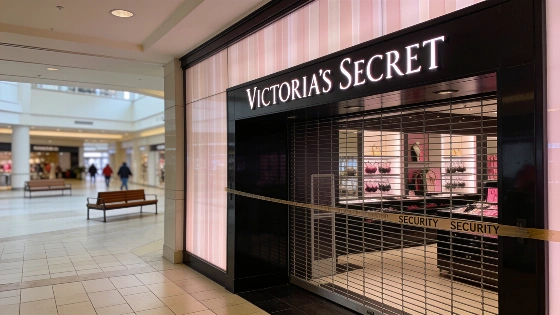
Victoria's Secret is shuttering 38 stores globally in 2026 while simultaneously opening 48 new locations, signaling a high-stakes shift toward experiential retail and a recalibrated growth strategy after years of sales declines and reputational fallout.
Victoria's Secret is undertaking a significant transformation of its retail presence in 2026, closing 38 stores worldwide while opening 48 new locations. This move is designed to address persistent sales declines and reputational challenges. As of August 1, 2026, the company's global store count stands at 1,430, according to its Q2 2026 results, reflecting a targeted shift toward more profitable formats and markets.
As of August 1, 2026, Victoria's Secret operated 1,430 stores globally, with the U.S. network remaining nearly unchanged at 788 locations, while international and joint venture stores drove most of the growth.
Victoria's Secret set a 2026 target for net store growth of 49-71 locations, aiming for a global footprint of 1,469-1,491 stores by year-end. The company expects the number of North American stores to remain stable or slightly increase, with the Store of the Future format projected to reach 45% of the global network, including 30% in North America and 55% internationally.
Reputation and Recovery
The company's transformation follows years of reputational challenges, including criticism over inclusivity and a $90 million sexual harassment settlement in 2022. The cancellation of the Victoria's Secret Fashion Show in 2019 marked a low point, but the 2024 relaunch was a strategic effort to reset the brand's image. The revived show attracted 61 million viewers within four weeks-a 60% increase over the previous year-and added nine million new social media followers. These initiatives led to a 15% increase in new customers and generated 51 billion media impressions, demonstrating the brand's continued ability to capture attention when it aligns with cultural expectations.
Financial Signals
Victoria's Secret's Q2 2026 earnings report showed net sales rising 10.4% year over year to $1.6 billion, with North American store sales up 8.9% and comparable net sales increasing 9%. This performance reverses the persistent declines that prompted the company's strategic reset. The retailer raised its full-year revenue outlook to $7.10-$7.18 billion, with third-quarter revenue projected at $1.57-$1.60 billion and operating income expected between $10-20 million, as detailed in the Q2 2026 guidance update. The U.S. store count remained nearly flat-790 at the start of the year versus 788 as of August 1, 2026-indicating that international and joint venture expansion is driving most network growth, according to Victoria's Secret's Q2 2026 report.
What's at Stake
Victoria's Secret faces strong competition from digital-first and inclusive brands, making its decision to close underperforming stores and invest in innovation a pragmatic response to industry pressures. The margin for error remains narrow, as past missteps continue to shape consumer perceptions. The company's ability to translate investments in service, product innovation, and store experience into lasting loyalty and profitable growth will determine the durability of its turnaround.
Victoria's Secret's 2026 store closures and reinvention efforts exemplify the complex decisions facing legacy retailers. As e-commerce continues to reshape consumer behavior, physical stores must offer unique value-through expert service, immersive experiences, or exclusive products-to remain relevant. For consumers, this means more curated in-store experiences but also the loss of familiar retail locations. For investors, the company's disciplined approach-closing underperforming stores while prioritizing innovation-signals adaptability rather than retreat. If Victoria's Secret sustains its operational momentum and fulfills its commitments to change across all customer touchpoints, it has a credible opportunity to regain relevance and profitability in a highly competitive retail environment.