
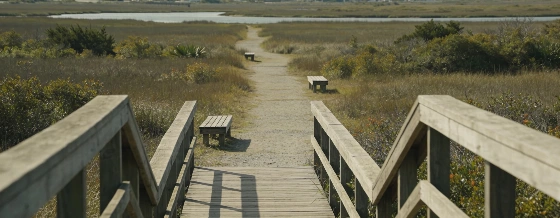
Retirees seeking affordable living and strong healthcare access can find unique bird-watching opportunities in select U.S. towns and cities, with some locations offering tax advantages and access to major migratory routes
For retirees who want to make bird-watching a central part of their lifestyle, choosing the right location can have a direct impact on both their finances and daily enjoyment. The best destinations combine access to diverse bird habitats with practical retirement considerations such as cost of living, healthcare quality, and tax policy. According to Investopedia, several U.S. towns and cities stand out for their ability to deliver both natural beauty and financial advantages.
Many of these locations are situated along major migratory flyways or near protected habitats, offering year-round opportunities to observe a wide range of species. At the same time, factors like state tax policy, local healthcare infrastructure, and community amenities play a significant role in determining whether a place is truly retirement-friendly.
Small Towns With Birding Benefits
Some of the most appealing bird-watching destinations are smaller towns that offer a slower pace of life and easy access to nature. Lewes, Delaware, for example, sits on the Atlantic coast and is known for its proximity to Cape Henlopen State Park and Prime Hook National Wildlife Refuge. Nearly 400 bird species have been recorded in the area, and Delaware's lack of state or local sales tax can help stretch retirement savings.
Rapid City, South Dakota, provides access to both mountain and prairie ecosystems, with birding hotspots like Custer State Park and Badlands National Park nearby. South Dakota's absence of individual income tax is another financial plus. In Florida, Homosassa Springs offers retirees access to spring-fed rivers and cypress swamps, with heavy bird migration in spring and fall. Florida's lack of a state income tax and relatively low cost of living can be attractive for those on a fixed income.
Cities Along Major Migration Routes
Mid-sized cities can also offer strong bird-watching opportunities while providing more urban amenities. Pasco, Washington, is located near the confluence of the Columbia and Snake rivers, placing it along the Pacific Flyway. The area's shrub-steppe and river basin habitats attract large numbers of shorebirds and pelicans. Washington's lack of a state income tax and a cost of living below the state average may appeal to budget-conscious retirees.
Dubuque, Iowa, sits on the Mississippi River bluffs and draws a variety of songbirds, raptors, and shorebirds during migration seasons. The city's cultural scene and affordable housing market add to its appeal. In Texas, McAllen is recognized as a premier birding region at the intersection of two major flyways. The city's warm climate, mild winters, and absence of state income tax make it a practical choice for retirees seeking both comfort and savings.
Coastal Hot Spots and Financial Considerations
Several coastal cities offer unique birding environments and financial advantages. Pasadena, Texas, is positioned on the upper Texas coast along the Central Flyway, making it a prime stopover for migrating birds. The city's cost of living is below the national average, and Texas does not levy a state income tax.
Juneau, Alaska, provides access to the Inside Passage's temperate rainforest ecosystem, attracting shorebirds and waterfowl. While Alaska's remote location may pose logistical challenges, it offers a distinct cultural experience and outdoor lifestyle. Cape Canaveral, Florida, is another standout, with its barrier island ecosystem supporting large migrations of songbirds and wintering waterfowl. The area's proximity to the Kennedy Space Center and Florida's tax advantages further enhance its retirement appeal.
According to the U.S. Census Bureau's 2022 American Community Survey, the median annual household income for Americans aged 65 and older was $50,290, while the average annual Social Security benefit for retired workers was $20,310 in 2023. For retirees relying on fixed incomes, choosing a location with no state income tax and a lower cost of living can help preserve savings and improve quality of life.
Balancing Lifestyle, Nature, and Cost
Retirement decisions often involve weighing personal interests against financial realities. For bird-watchers, access to diverse habitats and migratory routes can be a major draw, but affordability, healthcare access, and community resources remain essential. State tax policies, especially the absence of income or sales taxes, can make a significant difference in how far retirement dollars go. At the same time, proximity to hospitals, specialists, and recreational amenities can affect day-to-day well-being.
When evaluating potential retirement destinations, it's important to consider not just the natural environment but also the broader financial and healthcare landscape. Some retirees may prioritize tax savings and low housing costs, while others may focus on access to specialized medical care or vibrant community activities. Ultimately, the best location will depend on individual priorities, health needs, and financial circumstances.
State tax policy can have a substantial impact on retirement finances. States with no income tax-such as Florida, Texas, South Dakota, and Washington-allow retirees to keep more of their Social Security and investment income. However, other costs like property taxes, insurance, and healthcare can vary widely by location. Evaluating the full cost of living, including housing, transportation, and medical expenses, is essential for making an informed decision about where to retire.