Despite steady job growth and resilient consumer spending, many U.S. households are still struggling to keep up with rising prices and stagnant real wages as policymakers debate how to deliver meaningful relief
Americans continue to spend, but their dollars do not go as far as they did just a few years ago. Recent economic indicators reveal a nation balancing robust job growth with persistent inflation, leaving many households unconvinced that a full recovery has taken hold.
In September 2026, U.S. consumer sentiment deteriorated further, with the University of Michigan index falling and one-year inflation expectations rising to 4.6% from 4.0% the previous month.
Inflation's grip on household budgets
Treasury Secretary Scott Bessent has become the administration's leading spokesperson on these issues. He acknowledges that Americans are frustrated-not because they overlook positive economic data, but because those improvements have not translated into relief at the checkout. Inflation-adjusted wages remain under pressure, and the elevated price levels established since the pandemic have proven difficult to reverse.
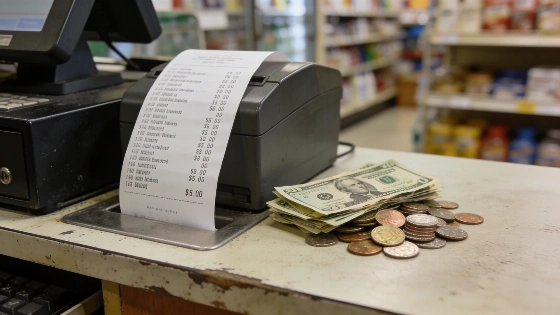
According to a Reuters financial review of Bureau of Labor Statistics data, consumer prices in the U.S. rose 0.4% in August 2026 and were up 3.4% year-over-year. Core inflation increased 0.3% for the month and 2.4% annually. While consumer spending rose 0.2% in July, many households are allocating a greater share of income to necessities, reducing what is available for discretionary purchases or savings.
In August 2026, the New York Fed's Survey of Consumer Expectations showed one-year inflation expectations steady at 3.6%, with the three-year outlook edging down to 3.2%. Despite stable spending, more consumers reported concerns about personal finances and job security.
Housing pain goes beyond interest rates
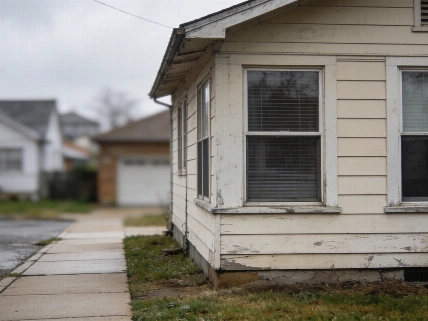
For many Americans, the housing market is the most visible sign of economic pressure. Mortgage rates remain high, and even a modest decline below 6%-which Bessent describes as a psychological threshold-has not restored affordability for most buyers. Homeowners with low-rate mortgages are staying put, while prospective buyers face monthly payments that reached a 14-month high of $2,641 in early September, according to Redfin.
Median home prices have increased just 2.2% year over year, but this modest rise offers little comfort amid tight inventory and nearly 21% of listings reducing prices. Bessent contends that lower rates alone will not resolve the issue. He advocates for supply-side measures, such as expanding manufactured and prefabricated housing, but notes that federal policy has limited influence over local zoning and building regulations.
Institutional investors, often cited as contributors to rising prices, remain a contentious topic. Bessent supports restrictions on large-scale homebuyers, emphasizing that even a small share of investor activity can affect prices in constrained markets. He also points to the tax advantages investors receive through property depreciation, a benefit not available to owner-occupants.
Policy moves and the limits of optimism
Bessent maintains that the administration is working to bring inflation back to target and support real wage growth. He references tax changes designed to assist working families, with 44% of tax returns claiming at least one benefit in the most recent year. He also anticipates some relief at the gas pump as international conflicts, such as the Iran war, ease.
However, the path to a sustained recovery remains narrow. If wage growth does not consistently outpace inflation, households will continue to feel financial pressure, regardless of broader economic gains. Businesses also face challenges: as more income is directed toward necessities, companies dependent on discretionary spending may struggle to maintain sales without significant discounts.
For investors, attention is shifting to real spending, wage trends, delinquency rates, and housing supply. The market's resilience does not guarantee future gains if consumers remain under strain. Bessent's optimism is measured-he recognizes that until Americans see their paychecks regain purchasing power, confidence will lag behind economic indicators.
According to the Bureau of Labor Statistics, the Consumer Price Index for All Urban Consumers (CPI-U) increased 3.4% over the 12 months ending July 2026. The national average 30-year fixed mortgage rate hovered near 6.9% in early September, while the U.S. personal savings rate remained below 4% for the third consecutive month, underscoring ongoing pressure on household finances.
Inflation is not only about rising prices-it represents a shift in the overall cost structure of daily life. When inflation outpaces wage growth, the real value of each dollar earned declines, eroding purchasing power. Even if inflation slows, the higher price level persists, making it difficult for families to recover lost ground. For policymakers, the challenge is not only to slow price increases but to foster conditions where incomes can catch up, restoring a sense of financial security that economic data alone cannot provide.