
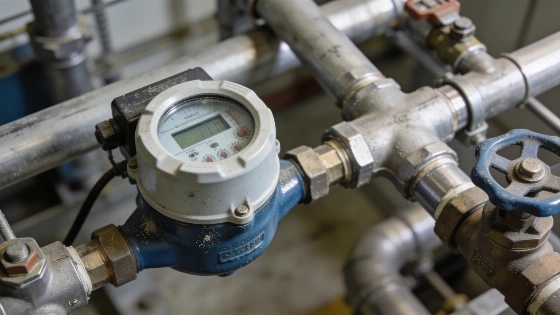
Badger Meter shares are back in focus after a buy rating from Northcoast Research and a 10 percent dividend hike. Investors now weigh premium valuation against sector risks and the company's long dividend growth streak
Badger Meter shareholders have received two significant updates: Northcoast Research has issued a buy rating, and the company has announced a 10 percent increase in its quarterly dividend. The stock closed at $127.62 on September 17, 2026, and now carries a $148 price target from Northcoast, indicating potential upside of approximately 11-12 percent from recent levels, according to Newsquawk reporting. Despite this, shares remain more than 37 percent below their 52-week high, prompting consideration of whether renewed optimism can restore momentum in a sector still facing persistent challenges.
Badger Meter has now achieved 34 consecutive years of annual dividend growth, a milestone few industrial companies can match.
Valuation and Market Context
With a market capitalization of approximately $3.85 billion, Badger Meter is positioned in the mid-cap segment of U.S. industrials. The stock's trading range between $125.39 and $127.88 on September 17, accompanied by a volume spike to 427,820 shares, suggests investor repositioning following the analyst upgrade. Nevertheless, the shares remain well below their 52-week high of $204. The current price-to-earnings ratio is about 29.87, representing a sector premium. The forward dividend yield, now around 1.29%, is modest but supported by a long record of steady increases, as shown in Yahoo Finance market data.
The broader water infrastructure sector continues to face cyclical pressures. RBC Capital's recent downgrade of Mueller Water Products, citing concerns about municipal water spending and reduced federal stimulus, highlights risks that could also affect Badger Meter. Sector-specific shocks can quickly impact related stocks, so analyst upgrades are only one factor for investors considering new positions.
Financial Performance and Outlook
Public market summaries as of September 18, 2026, confirm that the dividend increase to $0.44 per share was already reflected in trading and news flows, with Badger Meter shares trading well below their 52-week peak.
The company's ability to sustain margins amid revenue pressure is notable, but the premium valuation leaves limited room for underperformance. Investors will monitor the next earnings release, expected around November 18, 2026, for indications that Badger Meter can stabilize or reverse the recent revenue decline. The company's dividend policy remains a central feature, with management adjusting payouts in line with earnings and cash flow trends.
Risks and Investor Takeaway
Despite the positive analyst rating and dividend increase, Badger Meter faces several risks. The stock's premium valuation, modest yield, and exposure to municipal water spending trends mean that any further demand slowdown could affect both earnings and share price. The recent sector downgrade by RBC Capital underscores that even well-managed companies are subject to external shocks beyond their control.
For investors, Badger Meter presents a combination of income and growth potential, but at a valuation that requires continued operational execution. The company's 34-year dividend growth record and resilient margins distinguish it from many mid-cap industrials, yet the shares are still recovering from a significant decline earlier in the year. With a buy rating from Northcoast and a higher dividend in place, the stock has regained attention; however, the next few quarters will be critical in determining whether this renewed optimism is warranted or merely a temporary response to sector pressures.
As of September 2026, the Federal Reserve's benchmark interest rate remains a significant factor for industrial stocks, influencing borrowing costs and municipal budgets that affect infrastructure spending. The S&P 500's industrials sector has experienced mixed performance year to date, with mid-cap companies like Badger Meter encountering greater volatility than larger peers. Investors should consider these macroeconomic factors alongside company-specific fundamentals when evaluating new positions.
Dividend growth stocks such as Badger Meter can serve a role in diversified portfolios, particularly for those seeking a balance between income and potential capital appreciation. The key consideration is the trade-off between yield, valuation, and sector risk. While a long dividend track record indicates stability, premium pricing means that future returns depend on the company's ability to maintain earnings and navigate industry cycles. For investors prepared to accept these risks, Badger Meter's recent actions offer both opportunity and a reminder that even the most consistent payers are subject to broader market dynamics.