A deadly plane crash in the Bahamas has led regulators to suspend Flamingo Air’s operating license, grounding all flights and raising new questions about aviation safety and consumer protections for travelers in the region
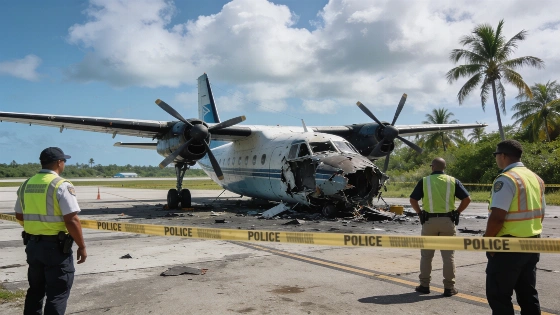
The Bahamian government has suspended the Air Operator’s Certificate (AOC) of Flamingo Air, effectively grounding the airline after a fatal crash killed 10 people, including nine passengers and the pilot. The move comes as authorities investigate the July 10 accident, which occurred when a twin-engine Cessna 402 operated by Flamingo Air crashed near San Andros Airport while flying from Nassau. The crash coincided with the country’s 53rd Independence Day celebrations, casting a shadow over national events and prompting immediate regulatory action.
The AOC is the most critical license for any commercial airline, serving as official authorization to operate passenger flights. In the Bahamas, as in the U.S., this certificate is issued only after an airline demonstrates it has the required aircraft, trained staff, and robust safety systems. Regulators can suspend or revoke an AOC for reasons ranging from financial insolvency to safety violations. In this case, the suspension is described as a precautionary measure pending a full investigation by the Aircraft Accident Investigation Authority and the Civil Aviation Authority Bahamas.
Regulatory Response and Consumer Impact
According to reporting by TheStreet, the initial investigation found that the aircraft encountered difficulties before crashing into bushes near the airport. One passenger initially survived but later died in the hospital. The Bahamian Ministry of Aviation announced the suspension of Flamingo Air’s license within hours of the incident, emphasizing that the grounding is not an adverse compliance action but a temporary measure to ensure safety while the investigation proceeds. The ministry also noted that another Flamingo Air Cessna experienced a separate mid-air issue and caught fire at Nassau’s airport just hours before the fatal crash, raising further concerns about the airline’s operational safety.
For travelers, the immediate consequence is the cancellation of all Flamingo Air flights, leaving passengers with booked tickets scrambling for alternatives. Flamingo Air, a small carrier founded in the 1970s, operates commuter flights and charters between the Bahamas’ main islands using a fleet that includes the Cessna 402, Beechcraft 99, and a de Havilland Canada DHC-6 Twin Otter. The airline has stated it is cooperating fully with investigators and expressed condolences to the families affected by the tragedy.
Broader Aviation Safety and Financial Risks
The suspension of Flamingo Air’s AOC highlights the financial and operational risks that small regional airlines face, especially in markets with limited oversight resources. For U.S. travelers and investors, the incident underscores the importance of regulatory enforcement in aviation safety and the potential for sudden disruptions in regional air service. While Flamingo Air is not a U.S. carrier, its grounding may affect travel plans for Americans visiting the Bahamas, a popular destination for both tourism and business.
In the U.S., the Federal Aviation Administration (FAA) maintains strict oversight of commercial airlines, with regular audits and safety checks. The FAA can suspend or revoke an airline’s operating certificate for safety violations, as seen in rare but high-profile cases. For consumers, such regulatory actions can mean sudden flight cancellations, loss of ticket value, and the need to seek refunds or alternative transportation. Travel insurance may cover some losses, but coverage varies by policy and circumstance.
According to the International Air Transport Association (IATA), the global accident rate for commercial aircraft in 2023 was 1.30 accidents per million flights, with regional carriers often facing higher risks due to older fleets and limited resources. The Bahamas, like many island nations, relies heavily on small airlines to connect remote communities, making safety oversight both critical and challenging. The Flamingo Air crash is the deadliest aviation accident in the Bahamas in recent years and is likely to prompt renewed scrutiny of regional airline safety standards.
For travelers affected by the grounding, the Bahamian Ministry of Aviation has advised that the suspension will remain in place until the investigation is complete. Passengers holding tickets on Flamingo Air are encouraged to contact the airline or their travel agent for information on refunds or rebooking options. The incident serves as a reminder for travelers to review airline safety records and consider travel insurance, especially when flying with smaller regional carriers in international markets.
Airline operating certificates are a cornerstone of aviation regulation, serving as both a gatekeeper and an enforcement tool for safety standards. In the U.S., the FAA’s authority to suspend or revoke these certificates is a key mechanism for protecting passengers and maintaining public confidence in air travel. For investors, the loss or suspension of an AOC can have immediate financial consequences for an airline, affecting revenue, reputation, and long-term viability. As the investigation into the Flamingo Air crash continues, both regulators and consumers will be watching closely for findings that could influence future policy and travel decisions.
Airline safety oversight is a complex process involving multiple layers of regulation, from aircraft maintenance and crew training to operational audits and emergency response planning. In the U.S., the FAA’s certification process requires airlines to demonstrate compliance with rigorous safety standards before receiving an AOC, and ongoing compliance is monitored through regular inspections and reporting. For travelers, understanding the role of regulatory agencies and the protections they provide can help inform safer travel choices, especially when booking flights with smaller or lesser-known carriers abroad.