
A dramatic extra-innings win for Toronto saw Nathan Lukes deliver a two-run homer and Max Scherzer climb to 10th on MLB's all-time strikeout list, highlighting a night of high-stakes baseball with financial implications for teams and fans alike
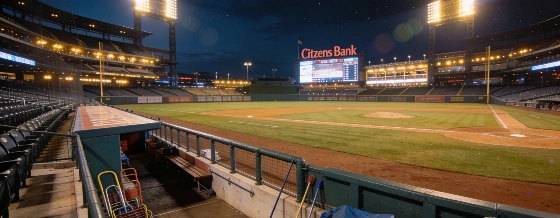
The Toronto Blue Jays secured a hard-fought 7-5 victory over the Philadelphia Phillies in an 11-inning contest on August 9, 2026, at Citizens Bank Park. The game, which drew over 40,000 fans, featured a series of momentum swings and individual milestones that could influence both team finances and player valuations as the season progresses.
Toronto opened the scoring early with a home run from Vladimir Guerrero Jr., setting the tone for a night where offense came in bursts. The Phillies responded with power of their own, including home runs from Kyle Turner and Bryce Harper, keeping the contest close through regulation. As the game extended into extra innings, both teams faced increased pressure to manage bullpen resources and player fatigue-factors that can have ripple effects on payroll decisions and roster moves in the weeks ahead.
The decisive moment arrived in the 11th inning when Nathan Lukes launched a two-run homer, giving the Blue Jays a lead they would not relinquish. The win was credited to L. Varland (5-4), while C. Shugart (2-1) took the loss for Philadelphia. L. Estrada earned the save, closing out a game that lasted nearly four hours. The extended play not only tested the depth of both teams but also highlighted the financial stakes of late-season matchups, where every win can impact playoff odds and associated revenue streams.
Max Scherzer's performance added a historic note to the evening. By surpassing the threshold for 10th place on Major League Baseball's all-time strikeout list, Scherzer further cemented his legacy and potentially increased his future market value. Milestones like these can influence contract negotiations, endorsement opportunities, and even team ticket sales, as fans are drawn to see record-setting athletes in action.
According to Major League Baseball data, the average attendance for MLB games in 2025 was approximately 29,000 per game, making the 40,010 turnout in Philadelphia notably above average. High-attendance games can generate significant incremental revenue for teams through ticket sales, concessions, and merchandise, especially when marquee players or historic achievements are involved. For context, postseason qualification can add millions in additional revenue, underscoring the financial importance of each late-season win.
Extra-inning games like this one also highlight the operational and financial complexities of managing a professional baseball team. Extended contests can strain pitching staffs, increase injury risk, and force teams to make difficult roster decisions. For front offices, balancing immediate competitive needs with long-term payroll flexibility is a constant challenge, especially as player milestones and playoff races intensify fan interest and revenue potential. As the regular season enters its final stretch, the financial and strategic stakes for both teams and players will only grow.