California is rolling out a $3,500 instant rebate for first-time electric vehicle buyers, aiming to offset the loss of federal tax credits and keep EV adoption on track as costs and fees rise for consumers
California is taking a new approach to encourage electric vehicle (EV) adoption as federal incentives fade. With the expiration of the federal $7,500 tax credit for new EVs and $4,000 for used models at the end of September 2025, demand for electric cars has cooled across the U.S. According to CarEdge, EV market share dropped to 5.7% in the fourth quarter of 2025, down from 8.7% a year earlier and well below the 10.5% peak reached in the third quarter. The surge in purchases before the tax credit deadline highlighted how much incentives drive consumer behavior.
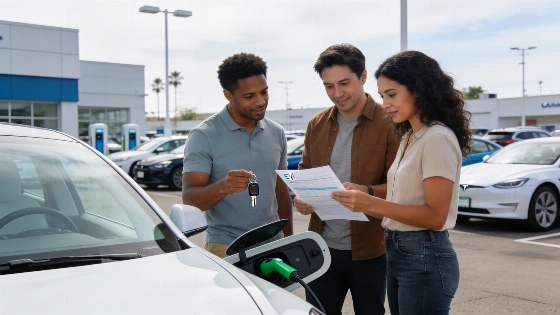
To counteract this decline, California has enacted a new rebate program offering $3,500 to first-time buyers of new electric vehicles with a suggested retail price up to $50,000. For used EVs priced up to $25,000, the rebate is $1,750. The program, signed into law by Governor Gavin Newsom, is designed to make EVs more accessible to households that may have been priced out after the loss of federal support. The California Air Resources Board is expected to announce which automakers will participate in the program in August, according to Reuters.
State Funding and Industry Impact
The state has allocated $135.5 million for the new rebates as part of a broader $600 million zero-emission vehicle investment in the 2026-2027 budget. Participating automakers are expected to match the state's contribution, bringing the total pool of incentives to $270 million. This could be especially significant for Tesla, which accounted for nearly half of California's EV sales last year, and for other manufacturers seeking to maintain or grow their market share in the nation's largest EV market.
California's new program replaces the Clean Vehicle Rebate Program, which ended in November 2023. While the state has experimented with various incentive structures over the years, this latest move is a direct response to federal policy changes under President Donald Trump's administration, which ended the nationwide tax credit for EVs. State officials argue that the new rebates are necessary to keep California on track with its clean transportation goals and to maintain momentum in the face of shifting federal priorities.
EV Costs and State Incentives Nationwide
Despite falling battery prices and increased competition, EVs remain more expensive than comparable gasoline vehicles. J.D. Power data showed that, in the rush to buy before the federal tax credits expired, average EV transaction prices briefly dipped below those of gas-powered cars for the first time. As recently as 2023, the average closing cost for an EV was $16,000 higher than for a gasoline vehicle. Now, with federal incentives gone, the price gap is widening again for many buyers.
Seventeen states still offer their own EV tax credits or rebates, ranging from $1,500 in Rhode Island to $7,500 in Oregon and Maine. At the same time, 40 states have imposed higher annual registration fees on EVs and some hybrids to offset lost gas tax revenue. These fees range from $50 in Hawaii and South Dakota to $260 in New Jersey. California and Alaska have ended their own EV tax credit programs, while several other states have introduced or increased registration fees for electric vehicles.
Consumer Trade-Offs and Market Uncertainty
For consumers, the patchwork of state incentives and rising fees creates a complex landscape. While California's new rebate may help offset the higher upfront cost of an EV, buyers must also consider ongoing expenses such as registration fees, insurance, and potential maintenance costs. According to reporting by TheStreet, some EV owners have faced unexpected long-term expenses, including higher insurance premiums and out-of-warranty repair bills.
As the market adjusts to the new incentive environment, automakers and policymakers will be watching closely to see whether California's approach can sustain EV sales growth. The state's aggressive investment signals a continued commitment to clean transportation, but the ultimate impact will depend on consumer response and the evolving economics of electric vehicles.
According to the California Energy Commission, electric vehicles accounted for 20% of new car sales in the state in 2025, with Tesla representing nearly half of those sales. Nationally, the U.S. Department of Energy reported that EVs made up about 7% of new vehicle sales in 2025, reflecting both regional disparities and the influence of state-level policies.
State-level EV incentives can play a critical role in shaping consumer adoption, especially as federal support fluctuates. While rebates and tax credits can help bridge the price gap between electric and gasoline vehicles, buyers should weigh the full cost of ownership, including registration fees, insurance, charging infrastructure, and potential resale value. As more states adjust their policies, the financial calculus for EV buyers will continue to evolve, making it essential for consumers to stay informed about both upfront incentives and long-term costs.