
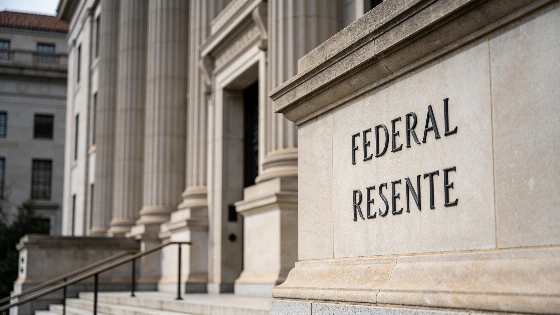
The Federal Reserve's preferred inflation gauge showed core prices up 3.3% year-over-year in July, matching forecasts but keeping inflation well above the central bank's 2% target as policymakers weigh their next move
U.S. consumer prices continued to climb in July, with the Federal Reserve's favored inflation measure showing a 0.2% monthly increase and a 3.7% annual rise, according to the Commerce Department. The core personal consumption expenditures (PCE) price index, which excludes volatile food and energy costs, also rose 0.2% for the month and 3.3% over the past year. These core figures were in line with economists' expectations, but headline inflation came in slightly above consensus, underscoring the challenge facing policymakers as they try to bring inflation closer to the Fed's 2% goal.
While the Fed tracks both headline and core inflation, officials tend to focus on the core PCE as a better indicator of underlying price trends. The July data suggest that, despite some moderation in recent months, inflation remains stubbornly elevated. Personal income increased by 0.4% in July, while consumer spending rose 0.2%, both stronger than anticipated. Goods prices actually fell 0.1% for the month, led by a 2.7% drop in gasoline and other energy-related products and a 0.9% decline in household furnishings and durable goods. In contrast, services prices climbed 0.3%, driven by higher costs for financial services, insurance, and housing.
Financial markets responded with caution. Stock index futures slipped after the report, while Treasury yields edged higher, reflecting investor concerns that persistent inflation could keep interest rates elevated for longer. The yield on the 10-year Treasury note recently reached its highest level since 2007, a move influenced by both inflation worries and concerns about federal debt and deficits. According to CNBC, the Treasury Department has announced plans to increase government debt buybacks, but market participants remain skeptical about the impact on yields.
With the Federal Open Market Committee not scheduled to meet until mid-September, policymakers have a brief window to assess incoming data before deciding on further rate hikes. Market pricing currently suggests only about a one-in-three chance of a rate increase at the next meeting, with a higher probability of action later in the year. Fed officials are gathering this week in Jackson Hole, Wyoming, for their annual symposium, where Chairman Kevin Warsh is expected to outline the central bank's policy outlook. Since taking office in May, Warsh has avoided signaling a clear direction, preferring to let market expectations develop organically.
For July 2026, the core PCE price index's 3.3% annual increase remains well above the Fed's 2% target, despite a slowdown from the peak levels seen in 2022. According to the Bureau of Economic Analysis, headline PCE inflation peaked at 7.0% in June 2022 before gradually easing. The current pace of core inflation suggests that the Fed's efforts to tighten monetary policy have had some effect, but not enough to fully restore price stability.
The personal consumption expenditures price index is a key tool for the Federal Reserve because it captures a broad range of consumer spending and adjusts for changes in behavior, such as substituting cheaper goods when prices rise. Unlike the more widely cited Consumer Price Index, the PCE gives greater weight to healthcare and other services, making it especially relevant for policymakers. Persistent core inflation can influence everything from mortgage rates to credit card interest, affecting household budgets and borrowing costs across the economy. As the Fed weighs its next steps, the path of core inflation will remain a central focus for both markets and consumers.