
Crown Castle's dividend cut knocked its stock below the $94.82 analyst target, forcing investors to rethink the REIT's income and risk outlook.
Wall Street reacted fast after Crown Castle Inc. cut its dividend. The stock dropped below the $94.82 average analyst target. For years, Crown Castle was seen as a steady income play. Now, investors are left asking if this drop is just a bump or a sign of deeper trouble for the company.
Dividend cuts always get attention, but Crown Castle's move stood out for its size and timing. The company lowered its quarterly payout from $1.565 to $1.0625 per share. This new rate started with the ex-dividend date of June 13, 2025 and stayed in place through at least September 15, 2026, according to a 24/7 Wall St market review. The gap between the current share price and $94.82 shows how cautious the market has become. Investors are now reworking their math on yield and growth, trying to figure out what this means for future cash and how the company will spend it.
Crown Castle's annualized dividend now stands at $4.25 per share, with the most recent ex-dividend date on September 15, 2026 and a payable date of September 30, 2026.
Analysts have not given up on Crown Castle. The $94.82 average target, as reported by 24/7 Wall St, shows that Wall Street still sees value in the company's main business if management can steady cash flows and stick to its capital plans. But the market's move-pricing shares below that target-shows either doubts about a quick turnaround or more worry about risk. The difference between the NYSE price and the analyst target is now a key number for anyone weighing the stock's risk and reward.
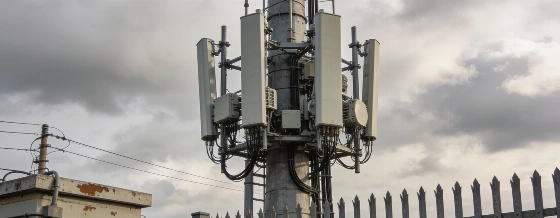
Crown Castle is a real estate investment trust (REIT) that owns communications towers. Its shares trade on the New York Stock Exchange under the ticker CCI. The company is part of the S&P 500. For a long time, income-focused investors counted on its steady dividends. The recent cut has forced many to rethink that story, as the market quickly adjusts how it values the stock's income and growth.
In 2025, Crown Castle announced the sale of its fiber and small cells assets for $8.5 billion, and by 2026, the company had completed these transactions, transforming itself into a pure-play tower REIT.
Changes to dividend policy can hit REIT valuations hard. In other sectors, payout changes have led to both sharp drops and later rebounds. In a reported earlier case, Steris's dividend increase showed how much investor mood can swing on these decisions. Now, Crown Castle's management faces the challenge of winning back trust and closing the price gap.
Near September 21, 2026, Crown Castle's shares traded between $73.06 and $74.67. With an annualized payout of $4.25 per share, that puts the dividend yield at about 5.7% to 5.8%, according to a MarketBeat trading update. For investors, the big question is whether this lower price is a chance to buy or a warning of deeper problems that could last.
Federal Reserve data shows that in 2026, the average yield on U.S. REITs stayed between 3% and 4%. Dividend stability is often named as a key reason for strong sector performance. When a major REIT like Crown Castle cuts its payout, it can drag down not just its own stock but also affect the whole communications infrastructure sector.
Dividend cuts in REITs force investors to weigh income against growth. A lower payout can free up money for new projects or to pay down debt, but it might also point to cash flow problems or a change in business direction. Investors need to look at how safe future dividends are, how the company plans to use its money, and what's happening in the wider market before making decisions. For Crown Castle, the gap between its share price and analyst targets shows both doubt and hope for a rebound. The company is now a test case for how fast confidence can return after a high-profile dividend cut.