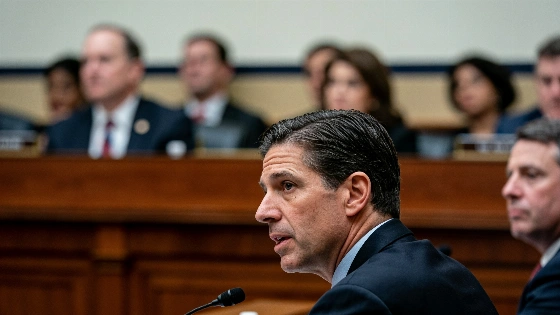
Federal Reserve Chair Kevin Warsh signaled a tougher approach to inflation in his first testimony to Congress, raising the prospect of policy changes that could impact interest rates, bond markets, and growth stocks
Federal Reserve Chair Kevin Warsh used his first congressional testimony to make clear that fighting inflation will be his top priority. Addressing both the House Financial Services Committee and the Senate Banking Committee, Warsh described persistent inflation as an unfair burden on American households and businesses, and indicated that the central bank is prepared to shift its policy approach to bring price growth back under control.
Warsh's comments come at a time when inflation remains stubbornly above the Fed's 2% target. The Consumer Price Index rose 3.5% year over year in June, according to the Bureau of Labor Statistics, easing from May's 4.2% pace but still well above the level policymakers consider healthy. In his first meeting as chair, Warsh led the Federal Open Market Committee to hold its benchmark interest rate steady at 3.5% to 3.75%, but signaled that a more aggressive stance could be on the table if inflation does not moderate further.
Policy Shifts and Market Impact
Warsh's testimony suggests the Fed may be moving away from its recent wait-and-see approach. He has already initiated five internal task forces to review how the central bank communicates and to reassess its framework for understanding inflation. Notably, Warsh opted not to release an updated economic projection at the last meeting, a move that underscores his willingness to break with precedent and rethink the Fed's strategy.
For investors, a more hawkish Fed could mean higher interest rates for longer, which tends to put pressure on bond prices and can weigh on growth-oriented stocks, especially in the technology sector. The prospect of policy uncertainty may also increase volatility in financial markets, as traders and analysts attempt to anticipate the Fed's next moves.
Inflation Data and Rate Decisions
Recent inflation readings have shown some improvement, but progress has been slow. The June CPI figure of 3.5% marks the 63rd consecutive month that inflation has run above the Fed's target. While the central bank's current policy rate remains unchanged, Warsh's remarks indicate that further tightening is possible if inflation proves sticky. This could affect borrowing costs for consumers and businesses, as well as the broader economic outlook.
According to the Federal Reserve's most recent Summary of Economic Projections, policymakers expect inflation to gradually return to target over the next two years, but the path remains uncertain. Market participants are watching closely for signs that the Fed may resume rate hikes or take other steps to reinforce its inflation-fighting credibility.
Risks for Borrowers and Investors
For households, the risk of higher interest rates could translate into more expensive mortgages, auto loans, and credit card debt. Businesses may also face higher financing costs, which can impact hiring, investment, and profitability. On the investment side, rising rates typically reduce the appeal of riskier assets and can lead to declines in bond prices, especially for longer-duration securities.
Understanding the Fed's evolving approach to inflation is critical for both consumers and investors. The central bank's decisions influence everything from the cost of borrowing to the performance of retirement portfolios. While the Fed aims to balance price stability with economic growth, the trade-offs can be significant, especially when inflation remains above target for an extended period. Investors and households alike should be prepared for continued uncertainty as the Fed recalibrates its policy stance in response to persistent inflation pressures.