The Federal Reserve's latest rate hike targets persistent inflation fueled by tariffs and AI hardware shortages, leaving consumers and investors facing higher costs and volatile markets
Wall Street's optimism faded as the Federal Reserve initiated its fourth rate-hiking cycle since 2000, raising the federal funds target range to 3.75%-4.00%. This decision pushed major stock indexes lower and signaled that policymakers do not anticipate a swift resolution to the inflationary pressures affecting the U.S. economy. Central to the current environment are the combined effects of Trump-era tariffs and sustained demand for artificial intelligence hardware, both of which are increasing costs for businesses and households.
Former President Donald Trump has repeatedly advocated for deep interest rate cuts, suggesting rates should fall to 1% or below. However, the Fed's decision to raise rates reflects a different assessment-one in which inflation is being driven by policy decisions and global supply constraints, not solely by monetary factors. Trump's public criticism of the Federal Open Market Committee has not altered its course, as the central bank continues to cite persistent inflationary forces. According to a Reuters financial review, the September 2026 rate hike was approved unanimously by all 12 FOMC members, marking the first increase since July 2023.
In February 2026, the U.S. Supreme Court overturned emergency Trump-era tariffs, including those targeting Chinese fentanyl and reciprocal trade measures, marking a pivotal shift in trade policy.
Tariffs and Geopolitics Fuel Persistent Inflation
The reintroduction of broad tariffs on imports from over 80 countries has significantly raised costs for U.S. manufacturers. These increased input costs are being passed on to consumers, resulting in higher prices for everyday goods. The "Trumpflation" effect extends beyond tariffs. Military actions in Iran during the Trump administration, including the closure of the Strait of Hormuz, led to the largest energy supply disruption in recent history. This has driven up fuel prices and contributed to broader inflation measures, such as Core Personal Consumption Expenditures. The Federal Reserve has directly linked its policy tightening to persistent inflation, citing the combined effects of import tariffs, energy shocks following the U.S.-Israel conflict with Iran, and increased spending associated with the AI boom, as reported by CNBC and Reuters.
Even after the Supreme Court overturned Trump's Liberation Day tariffs in early 2026, the inflationary impact has persisted. The 2026 Social Security cost-of-living adjustment was directly influenced by these policy changes, illustrating how government actions can have lasting effects on household budgets. The combination of trade barriers and geopolitical conflict has made it challenging for the Fed to justify lowering rates, despite political pressure from the White House. Reuters notes that the tariff regime and resulting price pressures are part of a broader U.S.-China trade war, contributing to sustained inflation throughout 2026.
AI Hardware Shortages Add to Price Pressures
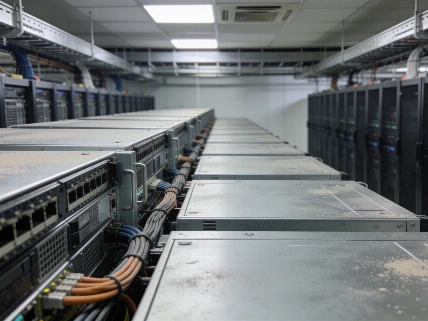
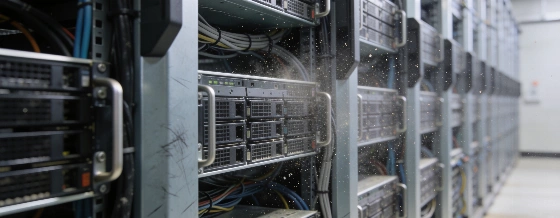
The rapid expansion of artificial intelligence has supported corporate growth and stock market gains, but it has also introduced a new source of inflation. The accelerated construction of data centers and strong demand for specialized hardware-such as graphics processing units and high-bandwidth memory-have led to ongoing supply shortages. AI companies now possess considerable pricing power, and these higher costs are being passed on to consumers through more expensive products and services.
The September 2026 rate hike brought the federal funds target range to its highest level since December 2025, and the Fed signaled the possibility of further tightening before year-end as inflation remains above target.
The Federal Reserve has begun to cite AI-related price pressures alongside tariffs as key contributors to core goods inflation. Despite efforts by chip manufacturers to increase production, shortages remain unresolved. With inflation exceeding the Fed's 2% target for 66 consecutive months as of August, the central bank maintains a firmly hawkish stance. Calls for rate cuts are being set aside in favor of policies aimed at containing these structural inflation risks.
Market Reaction and Policy Implications
Financial markets reacted quickly to the Fed's announcement. The Dow Jones Industrial Average, S&P 500, and Nasdaq Composite all declined, reflecting investor concerns about tighter monetary policy and its impact on corporate earnings. For consumers, the rate hike translates to higher borrowing costs for mortgages, credit cards, and other loans, while savers may see modest improvements in deposit yields.
According to Reuters reporting on trade policy, the legal and economic consequences of tariff reversals continue to influence inflation expectations and market sentiment. The Fed's decision highlights the challenge of balancing economic growth with the need to control inflation, particularly when price pressures are driven by factors beyond the central bank's direct influence.
Interest rate policy remains one of the Federal Reserve's primary tools for managing inflation and supporting economic stability. When inflation is caused by supply-side shocks-such as tariffs or hardware shortages-raising rates can help moderate demand but may not address the underlying causes. For households, higher rates can increase monthly payments on variable-rate debt and slow homebuying activity, while businesses may encounter higher financing costs for expansion. Understanding the interplay between policy decisions, market forces, and global events is essential for navigating today's complex financial environment.