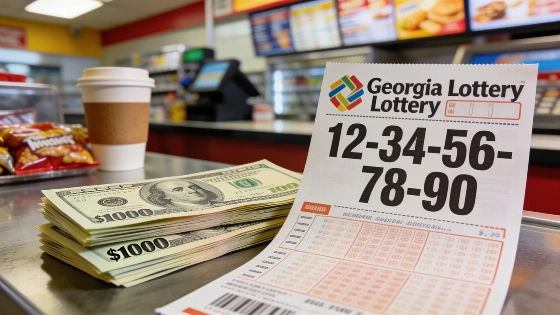
A Georgia Lottery ticket sold in Martinez delivered a $2 million windfall, while a Fantasy 5 player in Sylvania matched all five numbers for $150,000. These wins highlight the unpredictable but real financial impact of lottery games
Two Georgia Lottery players in the Central Savannah River Area (CSRA) are starting the summer with major cash prizes, according to the Georgia Lottery Corporation. A ticket purchased at a convenience store on Flowing Wells Road in Martinez matched the winning numbers for a $2 million payout on July 24. Just one day later, a Fantasy 5 ticket bought at Short Stop on Millen Highway in Sylvania matched all five numbers, earning its holder $150,000. Both wins underscore the rare but significant financial outcomes that can result from lottery participation.
In addition to these headline prizes, a player in Lincolnton secured a $10,000 win through the Keno! game using the Georgia Lottery mobile app on July 25. While these amounts are life-changing for the winners, the odds of hitting such jackpots remain extremely low. For example, the odds of winning the top Fantasy 5 prize in Georgia are 1 in 850,668, according to the Georgia Lottery. The odds for multi-million dollar instant games are typically even longer, reflecting the lottery's role as a form of entertainment rather than a reliable financial strategy.
Lottery winnings are subject to both federal and state taxes. In Georgia, prizes over $5,000 are reported to the Internal Revenue Service and the Georgia Department of Revenue, with 24% withheld for federal taxes and 5.75% for state taxes at the time of payout. Winners may owe additional taxes depending on their total income for the year. Lump-sum payouts can also affect eligibility for certain government benefits and may require careful planning to avoid unintended financial consequences.
According to the U.S. Census Bureau, Americans spent over $105 billion on lottery tickets in 2022, making it one of the most popular forms of gambling in the country. While large jackpots attract attention, most lottery revenue is returned to players as smaller prizes or allocated to state programs, such as education funding in Georgia. The Georgia Lottery has contributed more than $25 billion to education since its inception, supporting scholarships and pre-K programs statewide.
For those considering lottery play, it's important to recognize the trade-offs between entertainment value and the low probability of winning substantial prizes. Financial experts generally recommend treating lottery spending as discretionary, not as a substitute for long-term savings or investment. Sudden windfalls can create both opportunities and challenges, including tax obligations, requests from friends or family, and the need for prudent financial management. Consulting a qualified tax or financial advisor may help winners make the most of their unexpected gains while minimizing risks.