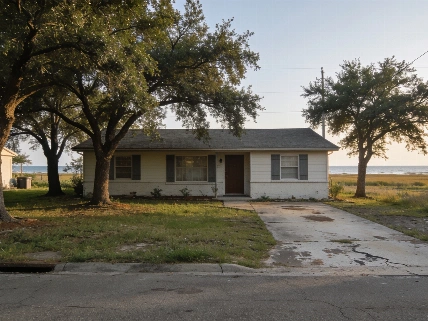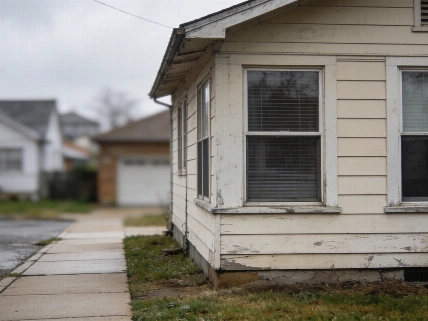

With more homes on the market and buyers taking their time, U.S. sellers are adjusting expectations-often pricing below recent highs and factoring in concessions to secure a deal in a slower real estate market
After years of rapid-fire home sales during the pandemic, the U.S. housing market has shifted to a slower, more selective pace. Sellers who once expected bidding wars and quick offers now face buyers with more choices and less urgency. According to reporting by TheStreet, many homeowners are rethinking their pricing strategies and weighing whether to list at all as the market recalibrates.
Changing Buyer Behavior
Today's buyers are scrutinizing listings more closely, focusing on property condition, layout, and finish quality. With inventory levels higher than in recent years, buyers are less likely to settle for homes that are overpriced or need work. Properties that miss the mark on price or presentation can linger on the market, often requiring price reductions and seller-paid closing costs to attract offers. For sellers, this means that overpricing can lead to longer holding periods and additional expenses.
Experienced investors and flippers are adapting by setting initial list prices below the highest recent comparable sales. Instead of aiming for record prices, they often build in expectations for two price cuts, a $10,000 closing-cost concession, and extra months of carrying costs. This approach prioritizes a faster, more certain sale over holding out for a potentially higher-but less likely-offer.
Pricing for Certainty
For many sellers, the central decision is whether to price aggressively for a quick sale or hold firm in hopes of maximizing proceeds. Some investors now routinely list homes below market value to generate immediate interest and multiple showings. The logic is that a well-priced home stands out in a crowded market, drawing in every buyer searching in that neighborhood and prompting faster decisions.
This strategy comes with trade-offs. While a lower list price can mean leaving money on the table, it also reduces the risk of extended holding periods, additional price cuts, and mounting carrying costs. Sellers must weigh the value of a guaranteed sale now against the uncertain prospect of a higher price months down the line. For homeowners who need to move quickly or want to avoid the stress of a prolonged sale, certainty may outweigh the potential for a slightly higher payout.
Market Data and Seller Decisions
According to the National Association of Realtors, the median existing-home sale price in the U.S. reached $393,500 in May 2026, up 2.1% from a year earlier. However, the average time a home spent on the market increased to 32 days, compared to just 18 days during the peak of the pandemic housing boom. Inventory levels have also risen, giving buyers more leverage and forcing sellers to adjust expectations. Mortgage rates remain elevated, with the average 30-year fixed rate hovering near 6.8% as of June 2026, further dampening buyer urgency and affordability.
Weighing the Trade-Offs
Not every seller faces the same pressures. Investors who flip multiple properties each year may be more willing to accept a lower price for speed and certainty, while homeowners with flexible timelines might choose to wait for a stronger offer. The right pricing strategy depends on individual circumstances, including financial goals, local market trends, and the condition of the property. Sellers should review recent comparable sales, factor in likely concessions, and consider how long they can afford to hold the property if it doesn't sell quickly.
Ultimately, the current market rewards realistic pricing and flexibility. As buyers become more selective and inventory remains elevated, sellers who adapt to these new dynamics are more likely to achieve a successful sale-though perhaps not at the peak prices seen in recent years.
In a slower market, the risk of overpricing is higher, and the cost of waiting for a better offer can add up quickly. Sellers who understand the trade-offs and plan accordingly are better positioned to navigate the evolving landscape of U.S. real estate in 2026.
When considering a home sale, it's important to understand the mechanics of pricing and concessions. Listing a property above market value can deter buyers and lead to longer holding periods, which increase costs for taxes, insurance, and maintenance. Seller concessions-such as covering a portion of the buyer's closing costs-can help bridge the gap when buyers are hesitant or face affordability challenges. Reviewing recent comparable sales, factoring in likely concessions, and understanding local demand are essential steps for any seller aiming to make an informed decision in today's market.