
A professional athlete's emotional return to his hometown highlights how personal milestones and career changes can influence contract negotiations, sponsorships, and long-term financial planning for sports professionals
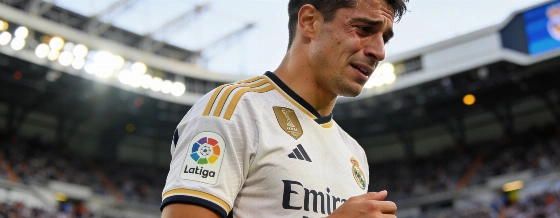
When a professional athlete returns to his hometown for a pivotal game, the moment can carry financial implications that extend beyond the field. In a recent high-stakes soccer match, a forward who began his career in the local youth system scored the decisive goal that advanced his team to the next round of a national tournament. The event was not only a personal milestone but also a reminder of how career achievements and personal branding can affect an athlete's financial trajectory.
For many athletes, moments like these can lead to increased visibility, which may translate into new sponsorship opportunities, renegotiated contracts, or enhanced marketability. The player's decision to wear a new nickname on his jersey-reflecting his roots and reputation-demonstrates how personal branding choices can resonate with fans and sponsors alike. Such moves can influence endorsement deals and even impact the terms of future contracts, as teams and brands often seek athletes with strong personal narratives and loyal followings.
According to the U.S. Bureau of Labor Statistics, the median annual wage for professional athletes was $94,270 in 2022, but earnings can vary widely based on sport, performance, and marketability. Endorsement deals and personal branding can significantly boost an athlete's income, sometimes surpassing their base salary. For example, top soccer players in the U.S. Major League Soccer (MLS) can earn millions in endorsements, while lesser-known players may rely more heavily on their playing contracts and local sponsorships.
Personal milestones, such as returning to a hometown stadium or achieving a career-defining goal, can also affect an athlete's financial planning. These events may prompt athletes to consider long-term strategies, such as investing in local businesses, supporting community initiatives, or planning for post-retirement income. Emotional connections to a place or fan base can influence decisions about where to live, invest, or build a legacy, all of which have financial consequences.
As the athlete's team prepares for its next league match, roster changes and suspensions highlight another layer of financial complexity. Missing key players due to disciplinary actions or injuries can affect team performance, which in turn may influence ticket sales, broadcast revenue, and player bonuses. For athletes, maintaining eligibility and consistent performance is not just a matter of pride-it can have direct financial repercussions.
For sports professionals, personal branding is more than a marketing tool-it's a financial asset. Athletes who successfully connect their personal stories to their public image can unlock new revenue streams and strengthen their negotiating position. However, these opportunities come with risks, including the potential for overexposure or backlash if branding efforts are perceived as inauthentic. Careful management of one's image, both on and off the field, is essential for maximizing long-term financial security.