U.S. inflation edged up just 0.1% in July, easing to 3.4% year over year, while memory chip stocks like Micron Technology and SK Hynix soared on renewed AI demand forecasts, shifting market expectations for Fed rate moves
Inflation in the United States showed signs of cooling in July, with the Consumer Price Index (CPI) rising just 0.1% for the month and 3.4% over the past year, according to data released Thursday. The modest increase matched economists' forecasts and followed a rare 0.4% monthly decline in June, the first such drop in six years. Core CPI, which excludes volatile food and energy prices, climbed 0.2% in July and 2.5% year over year. Shelter costs accounted for roughly two-thirds of the monthly gain, while hotel and motel rates fell sharply as travel demand normalized after the FIFA World Cup. Gasoline prices dropped for a second consecutive month, down 2.9%.
The inflation data comes as investors weigh the Federal Reserve's next move on interest rates. With July's figures showing no acceleration in price growth, market participants now estimate the odds of a rate hike at the Fed's September meeting at about 40%. This shift follows a surprise loss of 23,000 jobs in July and downward revisions to prior months' employment data, raising questions about the strength of the labor market. While the latest CPI report suggests inflation pressures are easing, policymakers are likely to wait for August data before making a final decision. Oil prices remain a potential wild card, especially as geopolitical tensions in the Middle East continue to simmer.
AI Memory Chip Rally
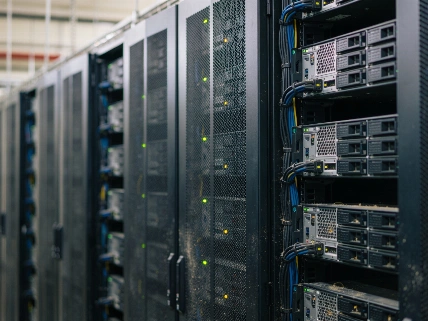
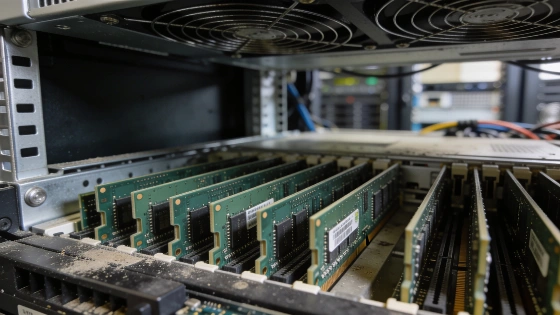
While inflation data set the tone for the broader market, memory chipmakers emerged as the day's clear winners. Shares of SK Hynix surged 7.2% and Micron Technology jumped 6.5% after both companies reported stronger demand forecasts for high-bandwidth memory chips used in artificial intelligence accelerators. The rally followed a period of uncertainty, as investors debated whether to trust Micron's warnings of a looming chip shortage or Nvidia's reported plans to reduce memory usage in its AI products. On Thursday, the market appeared to side with the chipmakers, sending their stocks sharply higher.
Nvidia also posted a notable gain, rising 2.7% and adding approximately $145 billion in market value. The move was fueled in part by Super Micro Computer's fourth-quarter 2026 earnings report, which more than doubled Wall Street's expectations and signaled continued robust demand for AI server hardware. Super Micro's stock soared 17%, helping to lift other semiconductor names and contributing to gains in both the S&P 500 and Nasdaq indexes.
Broader Market Moves and Sector Impact
Elsewhere in the market, Space Exploration Technologies rebounded 6.5%, erasing the previous day's losses and adding 0.22 points to the Nasdaq. Norway's Sovereign Wealth Fund disclosed a small allocation to SpaceX, while CEO Elon Musk highlighted the company's growing AI-related revenues. Among Dow components, Microsoft fell 2.1%, dragging the index lower by about 69 points, while Caterpillar rose 2.5% and Home Depot slipped 2%.
Despite the initial optimism following the CPI release, major indexes gave back much of their early gains by the close. This muted reaction suggests that the inflation data was largely anticipated and already reflected in asset prices. As recent market performance tied to jobs data has shown, investors remain highly sensitive to economic releases that could influence the Fed's policy path.
Inflation, Rates, and Investor Outlook
According to the Bureau of Labor Statistics, July's 0.1% CPI increase was the smallest monthly gain since January, while the annual rate of 3.4% marks a slight improvement from June's 3.5%. Core inflation's 2.5% annual pace is now at its lowest since early 2022. Shelter costs, which include rent and owners' equivalent rent, remain a persistent driver of inflation, but declines in travel and energy prices provided some offset. The Labor Department attributed the drop in hotel rates to the end of the World Cup, while gasoline's continued slide reflects both seasonal factors and global supply dynamics.
For investors, the interplay between inflation, labor market data, and Fed policy remains central. The probability of a September rate hike has fallen but is not off the table, as policymakers await further evidence on price stability and economic growth. Oil prices, which have the potential to quickly reverse disinflationary trends, are being closely watched amid ongoing negotiations in the Iranian conflict. President Trump's recent assertion of "total control" over the Strait of Hormuz has so far failed to move oil markets significantly, underscoring the complexity of geopolitical risk pricing.
Inflation reports like the CPI are closely monitored because they directly influence the Federal Reserve's approach to interest rates, which in turn affects borrowing costs for consumers and businesses. While headline inflation captures the overall change in prices, core inflation is often viewed as a better gauge of underlying trends because it excludes food and energy, which can be volatile. Investors and policymakers alike use these figures to assess whether price pressures are persistent or likely to fade, shaping expectations for everything from mortgage rates to stock valuations. Although each monthly report can move markets in the short term, longer-term investment decisions typically depend on broader trends and the outlook for economic growth.