Lucid is recalling over 27,000 Air sedans for a software-related fire risk, but most vehicles received a remote update-demonstrating how EV recalls increasingly rely on over-the-air fixes.
Automotive recalls are evolving as manufacturers like Lucid Group address safety issues through software updates rather than traditional repairs. This shift enables faster resolutions and minimizes disruption for vehicle owners.
Owners were advised by NHTSA to park their vehicles outdoors and away from buildings until the software fix was installed.
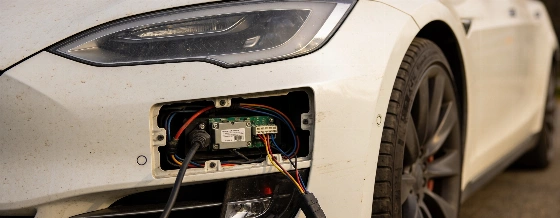
Lucid addressed the issue by recalibrating the eFuse's current limits via a remote software update, eliminating the need for physical repairs. The defect was first identified after a fire in a company-owned Air sedan in June 2023. By the time Lucid formally classified the issue as a safety defect in August 2026, the majority of affected vehicles had already received the update.
The recall covers vehicles produced from approximately October 2021 through July 2026, making it the largest recall in Lucid's history. The official regulatory notice was published on August 28, 2026, according to Reuters-based reports.
Market Reaction and Analyst Perspective
Despite the recall's scale, Lucid shares rose on the announcement day. Market data shows Lucid stock traded between $4.95 and $5.17 during the session. Analysts remain neutral: an S&P Global survey of 11 analysts reported a consensus 'Hold' rating and an average price target of $8.11. Cantor Fitzgerald's Andres Sheppard maintained a Neutral rating and $8 target, emphasizing Lucid's delivery pace and cash position over isolated safety events.
Wall Street's muted response reflects a broader trend: software-based recalls are viewed as less disruptive than those requiring hardware intervention. As over-the-air updates become standard, investors are focusing on Lucid's production ramp and financial performance, particularly with the upcoming Gravity SUV launch.
Regulatory and Industry Implications
Lucid has previously resolved major recalls through software, including a 2026 recall of over 10,000 vehicles for a rearview camera issue and another for loss of drive power. These cases were addressed remotely, without dealer visits. For software-driven EV makers, such recalls are increasingly routine, though they still require regulatory disclosure.
Regulators and investors are now considering whether over-the-air recalls should be treated with the same gravity as traditional ones. As vehicles become more software-defined, the distinction between a recall and a routine update may blur, potentially altering market and consumer responses to future safety notices.
According to Lucid's Q1 2026 SEC filing, the company reported $172.7 million in revenue and a net loss of $680 million. The company's cash reserves and delivery rates remain under scrutiny as it scales production and faces competition in the electric vehicle market.
Software-defined vehicles rely on electronic control units and code to manage safety and performance. While this enables rapid fixes, it introduces new risks such as software bugs and cybersecurity vulnerabilities. As the recall process adapts, both consumers and investors must recalibrate expectations for safety communications in the era of connected vehicles.