The Nasdaq Composite hit a new intraday high, but the Dow Jones fell 0.6 percent as financial stocks like JPMorgan Chase tumbled. Investors are watching for signals from the upcoming Trump-Xi meeting that could shake up tariffs and tech policy.
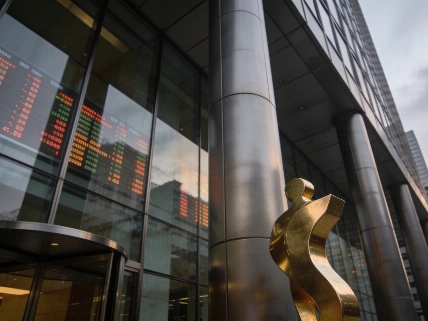
Wall Street split in two directions. The Nasdaq Composite climbed to a new intraday record. At the same time, the Dow Jones Industrial Average fell as financial stocks took a hit. Investors are waiting for the Trump-Xi meeting, which could set the tone for U.S.-China economic ties.
By midday, the Nasdaq was up 0.3 percent. The Dow dropped 0.6 percent. Financial heavyweights like JPMorgan Chase, Travelers, and Visa pulled the Dow down by a total of 286 points. JPMorgan Chase lost 3.5 percent, wiping out 72 Dow points, even though there was no major news about the company. The S&P 500 barely moved, down 0.1 percent, as traders watched sector moves against a quiet market backdrop.
On September 22, 2026, the Nasdaq Composite reached an intraday high of 27,224 points, marking its first new peak since early June, according to Reuters.
Financial stocks drag the Dow lower
The Dow's losses came mostly from its financial stocks. Along with JPMorgan Chase's sharp drop, Travelers fell 2.8 percent and Visa slipped 2.4 percent. Together, these three stocks made up nearly two-thirds of the Dow's decline. There was no clear reason for the selloff, which pointed to bigger worries about the economy, not company problems. Treasury yields, both short- and long-term, edged down. The market showed caution, not panic. Big energy stocks barely moved, even as news came out about possible progress on reopening key oil shipping routes in the Middle East.
Oil prices eased after Iran said it might reopen the Strait of Hormuz within a week. Saudi Arabia also reported steps to restore its East-West pipeline. But energy stocks barely reacted. Investors seem unsure about how fast or certain these changes will be. The small drop in bond yields showed that traders are waiting for more news, not making big bets.
Ahead of the Trump-Xi summit, U.S. and Chinese officials held high-level talks on September 17, 2026, focusing on principles of equality, respect, and reciprocity to prepare for the next stage of bilateral engagement.
Tech and memory chip stocks lift Nasdaq
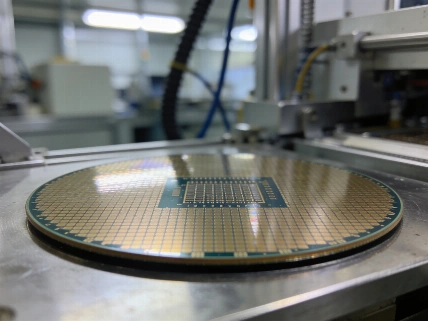
The Nasdaq's record run came from a surge in memory chip stocks. Sandisk jumped 6.5 percent after a bullish analyst note and news it would join the S&P 100 index. Micron Technology rose 3.6 percent as investors looked ahead to its next earnings report. These gains helped balance out weakness in other sectors and showed that investors still want growth-focused tech stocks, even when other areas lag.
This pattern has played out before this year. Chip stocks and tech giants have led the market higher, even when other sectors were shaky. As reported earlier, semiconductor rallies have often pushed the Nasdaq up, outpacing other indexes during sector shifts or when the economy looks uncertain.
Geopolitical risks in focus
Now, investors are watching Thursday's meeting between Donald Trump and Xi Jinping. They expect talks on artificial intelligence policy, tariffs, rare earths, and the Iran conflict. The results could quickly affect tech and industrial stocks, and shape the next steps in U.S.-China trade. Wall Street is waiting. Few expect the United Nations summit to deliver the kind of news that would break the current market deadlock.
According to a Reuters market analysis, the main goal for the Trump-Xi meeting is to keep the current trade truce in place. Investors are watching not just tariffs, but also bigger risks like artificial intelligence, Taiwan, and Iran.
The Dow Jones Industrial Average and the Nasdaq Composite are built differently. The Dow is price-weighted and can swing sharply when a few high-priced stocks move, especially in financials. The Nasdaq leans toward technology and growth companies, so it reacts more to rallies in those areas. For investors, knowing these differences is key to making sense of daily market moves and managing risk.