Three New York City homeowners are taking legal action against the city, claiming their primary residences were wrongly flagged for a new tax and their personal information was made public, raising privacy and compliance concerns
Three New York City homeowners have filed a lawsuit against Mayor Zohran Mamdani and the city's finance director, challenging the city's handling of the new pied-à-terre tax rollout. The plaintiffs argue that their primary residences were incorrectly identified as potential targets for the surcharge, and that the city's public release of a tax roll exposed the names and addresses of hundreds of thousands of property owners, even those not subject to the tax. The legal action does not dispute the tax itself, but focuses on the process and the privacy implications for homeowners.
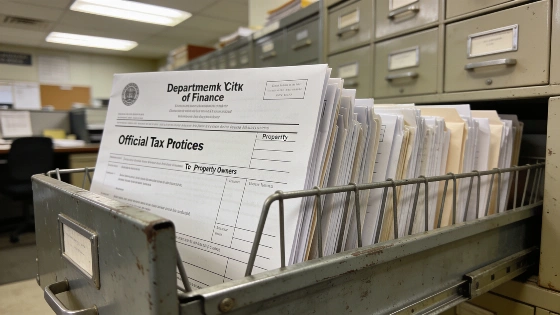
The pied-à-terre tax, introduced as part of Mayor Mamdani's 2027 fiscal year budget, imposes a surcharge on non-primary residences in New York City valued above $5 million, and on co-ops worth at least $1 million. The measure aims to help close the city's budget gap, with support from Governor Kathy Hochul. According to the city's Department of Finance, the tax roll includes over 900,000 properties, but only a small fraction-about 17,000 owners-received notices indicating they might owe the new tax. Many homeowners, including the plaintiffs, say they were wrongly listed and forced to prove their homes are their main residence to avoid the surcharge.
The lawsuit, led by attorney Randy Mastro, seeks to have the court declare the public notices and the Department of Finance's property roll unlawful. The plaintiffs are also asking for the immediate removal of the list from public view and a pause on any requirement for affected homeowners to respond while the case is pending. The city administration has defended its approach, stating that the Department of Finance is working to clarify the process and assist residents, and that the Law Department is prepared to defend the city in court.
Public reaction has been swift, with many New York City homeowners expressing concern over the publication of personal information and the administrative burden of contesting erroneous tax notices. The city extended the deadline for homeowners to respond by four weeks, now set for September 18, following widespread criticism. The annual release of the tax roll has drawn heightened attention this year due to the new surcharge and the scale of the data made public.
According to the New York City Department of Finance, the city's property tax system is one of the largest in the United States, with over $30 billion in property tax revenue collected in fiscal year 2025. The new pied-à-terre surcharge is projected to generate additional revenue, but the exact amount will depend on how many properties are ultimately deemed non-primary residences and subject to the tax. The city's real estate market remains one of the most valuable in the country, with luxury properties often owned by non-residents or as secondary homes.
The controversy highlights the complexity of property tax administration in large urban areas, especially when new surcharges target specific types of ownership. For homeowners, the distinction between a primary and secondary residence can have significant financial consequences, affecting not only tax liability but also privacy and compliance obligations. As cities look for new revenue sources, the balance between effective enforcement and protecting residents' personal information is likely to remain a contentious issue.