The Palestine Liberation Organization and the Palestinian Authority asked the Supreme Court to freeze a revived $656 million award while they appeal, warning immediate payment could strain public services in the West Bank and affect regional stability
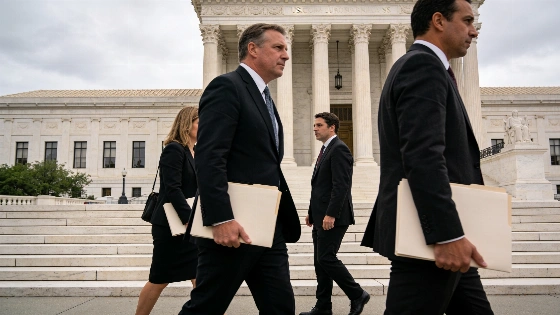
WASHINGTON - Palestinian authorities asked the U.S. Supreme Court on Thursday to pause a $656 million judgment in a long-running case brought by Americans who were killed or wounded in attacks in Israel. The emergency request follows a lower court's decision to bring back the damages after years of appeals and a separate Supreme Court ruling that reopened the litigation.
The Palestine Liberation Organization and the Palestinian Authority said in court papers that paying now could disrupt essential services in the West Bank, harm civilians and create wider security risks. Their filing seeks a temporary halt while they continue challenging the reinstated verdict.
The lawsuit stems from attacks in Jerusalem in the early 2000s that killed 33 people and wounded hundreds more. Families of the victims sued under the Anti-Terrorism Act, which allows Americans to pursue civil claims in U.S. courts over certain international terror attacks. The case has moved through federal courts for more than two decades, with judges repeatedly revisiting both the verdict and the legal basis for keeping the case alive.
A federal court in New York initially set aside the original verdict on appeal, and Congress later revised the law to make such cases easier to pursue. In 2025, the Supreme Court sided with the families and revived the lawsuits. The 2nd U.S. Circuit Court of Appeals then reinstated the judgment in March, setting up the latest request for emergency relief.
For the Palestinian authorities, the immediate issue is not only the size of the award but also timing. A payment of that scale could affect budget priorities for a government already responsible for public administration, security coordination and basic civil functions in the West Bank. In cases like this, a stay from the Supreme Court can prevent collection efforts from moving forward while the justices consider whether to hear the appeal or let the lower court ruling stand.
The plaintiffs' lawyers said when the appeals court restored the judgment that the decision gave the families a measure of relief after years of litigation. They did not comment on Thursday's emergency petition. The Supreme Court can act quickly on such requests, but it is not required to explain its decision in detail, and outcomes in emergency filings often arrive without a full written opinion.
More broadly, the case shows how terrorism-related civil judgments can stretch far beyond the original events. The damages phase becomes a separate financial fight, especially when defendants argue that payment would strain public institutions or complicate diplomatic and security arrangements. For U.S. readers, the case is a reminder that anti-terror litigation can create major financial exposure even years after the underlying attacks, with the final cost shaped as much by appellate procedure as by the original verdict.
The Anti-Terrorism Act has long been used by U.S. victims of attacks abroad to seek compensation in American courts, but those cases often turn on narrow jurisdictional rules, congressional changes and Supreme Court review. That legal structure can leave both plaintiffs and defendants facing years of uncertainty before any judgment is fully collected or permanently erased.