
The Bank of England is grappling with the financial and policy fallout of its expanded balance sheet as it unwinds pandemic-era interventions and manages rising interest costs that threaten its operational flexibility.
The Bank of England is under increasing scrutiny as it manages the consequences of its expanded balance sheet-a result of years of quantitative easing and emergency interventions. As the central bank works to unwind these positions, it encounters a complex set of financial and policy challenges that could constrain its ability to respond to future shocks.
Since February 2022, the Bank of England's portfolio has shrunk by over £400 billion, with about a third of this reduction coming from active sales rather than natural maturities.
Unwinding Pandemic-Era Support
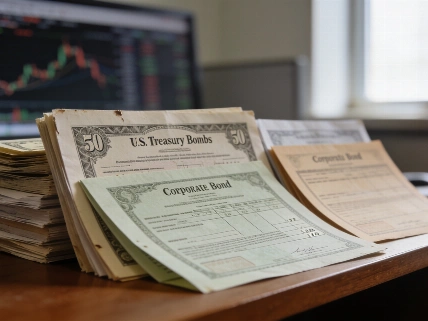
During the COVID-19 crisis, the Bank of England significantly increased its holdings of government bonds and other assets to stabilize markets and support the economy. This quantitative easing led to a substantial expansion of the central bank's balance sheet. Now, as the bank seeks to reduce these holdings, it must manage the risk of realizing losses if assets are sold below their purchase price.
At the same time, the bank is paying higher interest on reserves held by commercial banks-a direct consequence of its own rate increases to address inflation. This has raised the cost of maintaining a large balance sheet, even as the bank attempts to shrink it. The implications extend beyond technical considerations, affecting the bank's financial health and its operational independence from the government.
Rising Interest Costs and Fiscal Implications
The current volume of government bonds on the Bank of England's balance sheet stands at around £490 billion, down from a peak of £895 billion in 2022, with approximately £150 billion in bonds maturing in more than 20 years.
The UK's Office for Budget Responsibility estimates that the cost of servicing the Bank of England's balance sheet could reach tens of billions of pounds in the coming years, depending on the trajectory of interest rates and asset sales. This creates a feedback loop: the more the bank tightens policy to combat inflation, the greater the strain on its own finances and, by extension, on taxpayers.
While the Federal Reserve and the European Central Bank have also experienced losses on their bond portfolios, differences in institutional frameworks and the scale of interventions have influenced the impact on their respective governments and central banks.
Policy Flexibility and Future Risks
The Bank of England's current situation raises concerns about its capacity to respond to future economic shocks. If its financial position continues to weaken, the bank may face political pressure to limit further tightening or delay asset sales, potentially affecting its credibility and independence. Central bank losses can become a focal point for public debate, particularly if they are perceived as constraining the government's fiscal options or leading to higher taxes.
In the United States, the Federal Reserve's losses have not directly influenced its policy decisions, but the UK's institutional structure means that the Bank of England's losses are more visible in government accounts. This distinction could shape the political and economic response if market conditions worsen or if inflation remains persistent.
Central bank balance sheets reflect both policy decisions and economic realities. The Bank of England's experience underscores the trade-offs involved in deploying unconventional tools such as quantitative easing, especially when unwinding these positions in a higher interest rate environment. For U.S. readers, the key takeaway is that the design of central bank operations and their interaction with fiscal policy can have lasting effects on financial stability and public trust.
According to a Reuters financial review, the Bank of England is expected to announce a slowdown in quantitative tightening, potentially reducing the annual pace of balance sheet reduction from £70 billion to around £50 billion, with active sales of long-dated government bonds possibly coming to a halt at its September 17, 2026 meeting.
Market estimates cited by The Telegraph indicate that active sales of long-dated gilts have already cost UK taxpayers approximately £22 billion since 2022, and the total cost of unwinding the portfolio over the next five years could reach £100 billion.