
Paris Saint-Germain and RC Lens meet for the Trophée des champions, testing squad depth and preseason strategy as both clubs seek an early edge before the French league campaign begins
Paris Saint-Germain (PSG) and RC Lens are set to compete for the Trophée des champions, France's annual super cup, in a match that comes before the official start of the Ligue 1 season. The timing of this high-profile contest puts both clubs under scrutiny, as they balance preseason preparation with the pressure to secure early silverware. For U.S. investors and fans tracking European soccer's financial dynamics, the match offers a window into how top French clubs manage player workloads, squad depth, and commercial priorities in a congested calendar.
PSG enters the contest after a demanding preseason, including a hard-fought win over Aston Villa to claim a second consecutive UEFA Super Cup. The club's coaching staff, led by Luis Enrique, has acknowledged that the team's preparation has been less than ideal, with several key players returning late from international duty or carrying heavy minutes from the previous campaign. Achraf Hakimi and Warren Zaïre-Emery, for example, were pressed into full-match action shortly after rejoining training, while Vitinha played a full 90 minutes despite limited rest. This approach reflects the commercial and competitive pressures facing elite European clubs, where early-season trophies can boost brand value and sponsorship leverage but may also increase injury risk and fatigue.
Squad Management and Financial Stakes
RC Lens, by contrast, arrives at the Trophée des champions with a fresher squad and a more stable offseason. While the club lost several players-Adrien Thomasson, Mamadou Sangaré, Malang Sarr, and Allan Saint-Maximin-its core remains intact, and the team avoided a major exodus despite strong individual performances last season. Lens's ability to retain talent is notable given the financial realities of French soccer, where clubs outside the top tier often rely on player sales to balance budgets. The club's measured approach to the transfer market and preseason rest could provide a competitive edge, especially against a PSG side managing heavier workloads and higher expectations.
The match also carries a sense of unfinished business for Lens. Last season, a controversial rescheduling of a Ligue 1 fixture between the two clubs-intended to give PSG more time to prepare for Champions League play-sparked frustration among Lens's leadership and supporters. The eventual match, played after the title race was effectively decided, ended in a routine PSG win but left lingering resentment. This context adds emotional and reputational stakes to the super cup, with Lens eager to assert itself against the league's dominant financial power.
Commercial Impact and Fan Dynamics
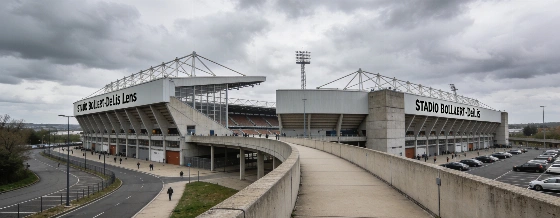
Off the field, the Trophée des champions highlights the evolving commercial strategies of French soccer. The league initially considered staging the match abroad to maximize international exposure and revenue, a tactic increasingly common among top European leagues. Ultimately, logistical constraints kept the event in France, with the venue determined by a draw between the two clubs' stadiums. The decision to play at Lens's Bollaert-Delelis stadium, rather than a neutral site, has drawn criticism from PSG's ultras, who are boycotting the match over ticket allocation and venue fairness. Such disputes underscore the tension between maximizing matchday revenue, maintaining fan engagement, and preserving competitive integrity.
For U.S. investors and sponsors, these dynamics are instructive. French clubs, especially PSG, have aggressively pursued global branding opportunities, leveraging marquee matches and international tours to grow their commercial footprint. Yet, the balance between sporting priorities and financial imperatives remains delicate, particularly as player health and fan loyalty come under strain from an increasingly crowded schedule.
Market Data and Broader Implications
According to Deloitte's 2024 Football Money League, PSG ranked among the top five revenue-generating soccer clubs globally, with annual revenue exceeding $700 million, driven by broadcast rights, sponsorships, and merchandise sales. RC Lens, while not in the same financial tier, has seen its revenue and valuation rise following strong domestic performances and European qualification. The financial gap between the clubs is significant, but Lens's prudent management and on-field competitiveness have allowed it to punch above its weight in recent seasons.
As the French soccer calendar grows more congested, clubs face mounting pressure to optimize both sporting and financial outcomes. Early-season matches like the Trophée des champions can set the tone for the year, influencing transfer strategies, squad rotation policies, and commercial negotiations. For investors and fans alike, the contest between PSG and Lens offers a case study in how elite clubs navigate the intersection of performance, profit, and public perception.
Super cup matches such as the Trophée des champions illustrate the complex trade-offs facing top European soccer clubs. Balancing the pursuit of early trophies with the need to protect player health and maintain long-term competitiveness is a challenge that extends beyond the pitch. For clubs like PSG, the financial rewards of global exposure and commercial partnerships must be weighed against the risks of overextending key players and alienating core supporters. Meanwhile, clubs like Lens demonstrate that disciplined financial management and strategic squad building can yield both sporting and economic dividends, even in the shadow of wealthier rivals.