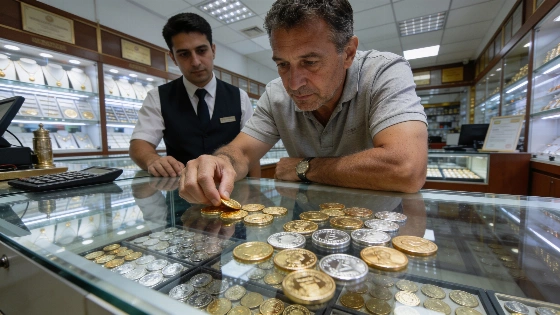
Gold and silver prices have tumbled in 2026, testing investors' nerves as rising interest rates and policy uncertainty drive volatility. Robert Kiyosaki is buying the dip, but most retail investors are left questioning their risk tolerance
Most investors know the mantra: buy low, sell high. Yet when markets plunge, few have the stomach to follow through. This year's gold and silver selloff has put that principle to the test, with many retail investors selling after steep losses, while a handful of high-profile voices-including Robert Kiyosaki, author of "Rich Dad Poor Dad"-have chosen to buy instead.
Metals Under Pressure
Gold and silver surged in January 2026, only to reverse course and erase much of those gains over the next six months. Silver was hit especially hard, dropping more than 50% from its January peak, while gold lost about a quarter of its value. For investors who bought near the highs, the pain has been acute. According to reporting by TheStreet, this downturn has been driven less by mysterious forces and more by shifting incentives: when interest rates rise and Treasury yields climb, the appeal of holding non-yielding assets like gold and silver diminishes.
Unlike stocks or bonds, precious metals do not pay dividends or interest. Their value proposition strengthens when inflation erodes the real value of cash, but weakens when central banks adopt a hawkish stance and real yields rise. In 2026, with U.S. inflation running at 3.7%-well above the Federal Reserve's 2% target-and the Fed holding its policy rate between 3.50% and 3.75%, the opportunity cost of holding metals has increased. The central bank, led by Chair Kevin Warsh, has shifted the conversation from rate cuts to possible hikes, further pressuring metals prices.
Kiyosaki's Contrarian Move
While many investors have retreated, Robert Kiyosaki has publicly announced that he added to his gold and silver holdings during the recent downturn. He credits veteran investor Jim Rogers for the broader thesis that both metals could see significant gains from here, though not without further volatility. Kiyosaki's approach stands in contrast to his own earlier advice, when he urged followers to wait for technical confirmation of a bottom before buying. This time, he bought into the decline before any clear reversal, highlighting a willingness to act against prevailing sentiment.
For context, silver's dual role as both a monetary and industrial metal has made it especially vulnerable. When demand for solar panels and electronics softens at the same time that interest rates rise, silver faces pressure from both sides. Meanwhile, ongoing geopolitical tensions-including continued U.S. military action and new requests for war funding-have added to safe-haven demand for gold, but also contributed to higher oil prices and inflation, complicating the policy outlook.
Market Data and Policy Risks
As of July 22, 2026, gold traded at $4,131.10 per ounce, marking its third consecutive session of gains, according to Yahoo Finance. Silver was at $59.42 per ounce, more than $20 above its level a year earlier, based on Fortune data. The Silver Institute projects a sixth straight annual global deficit in the silver market, with a shortfall of 46.3 million ounces. Central banks have continued to accumulate gold, purchasing a net 244 tonnes in the first quarter of 2026, led by Poland and Uzbekistan, according to the World Gold Council. Despite tightening supply and ongoing sovereign buying, prices have fallen-underscoring the outsized influence of monetary policy over physical scarcity.
Looking ahead, the Federal Open Market Committee's meeting on July 28-29 is the next major test for metals investors. Markets currently assign roughly a one-in-three chance of a rate hike at that meeting, according to Forbes. Any move toward higher rates or more hawkish language could push real yields higher and put further downward pressure on gold and silver. Conversely, a softer tone could revive the rally seen earlier in the year.
Investor Behavior and Risk Tolerance
Kiyosaki's decision to buy after a major drawdown-rather than during the January rally-runs counter to the behavior of many retail investors, who often buy at peaks and sell at lows. Whether this discipline is repeatable or simply well-timed remains to be seen. Kiyosaki has previously floated aggressive price targets, such as $35,000 for gold and $200 for silver, but these forecasts remain speculative and should not be treated as actionable guidance.
The real lesson for individual investors may be less about timing the market and more about understanding personal risk tolerance. Many who suffered losses in metals this year were not wrong about inflation or government debt, but misjudged their ability to withstand a 50% decline. As this recent analysis of gold market skepticism shows, conviction and patience are often tested most severely at the bottom, not the top.
For those considering an allocation to gold or silver, the key question is not just where prices might go, but how much volatility you can tolerate without being forced to sell at the worst possible moment. A modest position-such as 10% of a portfolio-may be manageable for some, while a larger bet could expose you to swings that are difficult to stomach.
Gold and silver's recent bounce has rewarded those who bought the dip, but future recoveries may take years to materialize. The gap between conviction and patience is where most household portfolios are tested-and sometimes broken-by market cycles.
Gold and silver are often viewed as hedges against inflation and financial instability, but their performance is highly sensitive to changes in monetary policy and real interest rates. Unlike stocks or bonds, metals do not generate income, making them vulnerable when yields on cash and Treasurys rise. Investors should weigh the trade-offs between potential protection and the risk of prolonged drawdowns, and consider how metals fit within a diversified portfolio rather than as a standalone bet.