A televised misstatement about silver certificates by Treasury Secretary Scott Bessent has reignited debate over what backs the U.S. dollar, as gold prices and investor skepticism both climb amid persistent questions about Fort Knox's reserves
Most Americans rarely question the value of the bills in their wallets, trusting that the system behind them will hold. But that quiet confidence has been tested in recent years as gold prices have surged, central banks have increased their bullion holdings, and ordinary savers have shown renewed interest in precious metals. According to Trading Economics, gold climbed from around $2,700 to nearly $5,600 an ounce in late January before settling closer to $4,000, reflecting heightened anxiety about the dollar's long-term stability.
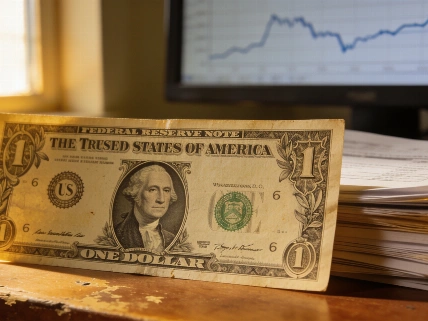
The debate over what actually backs the U.S. dollar resurfaced last week when Treasury Secretary Scott Bessent appeared on national television and referenced old silver certificates. Bessent suggested that if any of these certificates remain outstanding, the silver backing them is still stored at Fort Knox and could be claimed by the holder. This statement, made during a tour of the Treasury's currency collection and commemorative coin plans, was intended to reassure viewers about the nation's gold and silver reserves. Instead, it drew immediate criticism from market commentator Peter Schiff, who argued that redemption rights for these certificates ended decades ago.
Redemption Rights and Market Realities
Schiff, a longtime critic of U.S. monetary policy, quickly pointed out on X that the Treasury stopped exchanging silver certificates for silver dollars in March 1964, and the final window to redeem them for bullion closed in June 1968. Since then, these notes have remained legal tender but can no longer be swapped for precious metal. Schiff argued that if Bessent's claim were accurate, arbitrageurs would have exploited the price difference between collectible certificates and the value of silver long ago. The U.S. Mint's own records confirm that domestic gold redemption ended in 1933 and the last external link between the dollar and gold was severed in 1971.
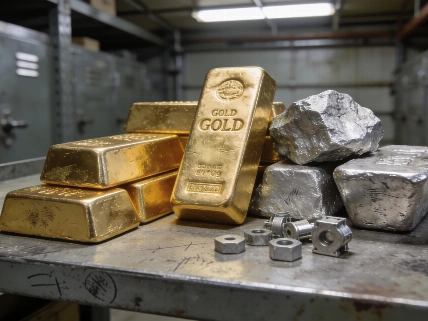
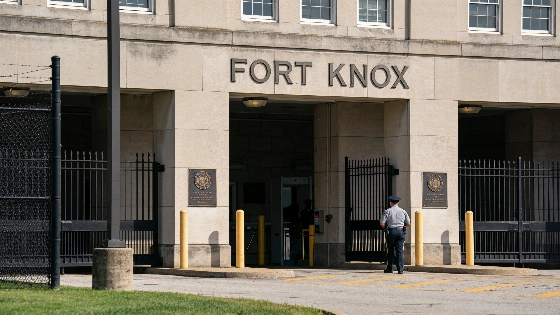
Bessent's comments also highlighted a persistent gap in public trust: while the Treasury reports holding about 261.5 million troy ounces of gold across four storage sites, including Fort Knox, the last time outsiders were allowed to inspect the vault was in 1974. The gold is still carried on the government's books at a statutory price of $42.22 per ounce, a figure unchanged since 1973, even though the market value now exceeds $1 trillion. Annual reviews by the Treasury inspector general focus on vault seals and paperwork rather than physically assaying the bars, leaving some investors unconvinced about the true state of the reserves.
Credibility and the Gold Market
For many investors, the real issue is not whether a secretary's misstatement changes the status of old certificates, but what it signals about the reliability of those managing the dollar. The recent rally in gold has been driven less by jewelry demand and more by institutional bets that U.S. monetary authorities may be less dependable than in the past. Every time an official makes a factual error about the nation's reserves, it adds fuel to concerns about transparency and accountability.
While the Treasury maintains that its gold holdings are present and accounted for, the lack of independent, physical audits continues to attract scrutiny. Legislation such as the Gold Reserve Transparency Act, introduced by Rep. Thomas Massie in 2025 to require a physical assay every five years, has yet to advance. Until such measures are enacted, the credibility of official statements will remain a key factor in how investors view the dollar and the gold market. This dynamic is not unique to precious metals; as seen when Goldman Sachs raised its dividend following a Federal Reserve stress test, market confidence often hinges on the perceived strength and transparency of financial institutions (see how major banks responded to recent Fed tests).
Numbers and Context
As of June 2026, the U.S. Treasury officially reports holding approximately 261.5 million troy ounces of gold, valued at over $1 trillion at current market prices but just $11 billion at the statutory rate. The last public inspection of Fort Knox occurred in 1974, and annual reviews since then have relied on documentation rather than direct physical verification. Meanwhile, gold's price volatility has reflected ongoing uncertainty, with the metal trading between $2,700 and $5,600 per ounce over the past two years, according to Trading Economics.
Understanding the distinction between legal tender and redeemable currency is crucial for anyone holding old silver certificates or gold-backed notes. While these items may have collector value, they no longer represent a claim on the nation's bullion reserves. The real claim that matters is the public's trust in the institutions managing the dollar-and that trust is shaped as much by transparency and accuracy as by the physical assets themselves.