Southwest Airlines posted record revenue and strong demand, but rising jet fuel prices have forced the carrier to lower its full-year earnings forecast, highlighting the ongoing challenge of managing volatile operating costs
Southwest Airlines delivered one of its best quarters in recent years, with record revenue and expanding profit margins. Yet the airline is now warning that sharply higher jet fuel prices are putting unexpected pressure on its bottom line, forcing a significant reduction in its full-year earnings guidance.
Profit Guidance Slashed
For the second quarter of 2026, Southwest reported that earnings per share nearly doubled compared to the same period last year, reflecting robust demand and operational improvements. Despite these gains, the company now expects adjusted earnings per share for the full year to fall between $3.25 and $4.25, down from its previous guidance of at least $4. The primary reason: jet fuel costs have risen faster than anticipated, eroding profitability even as revenue climbs.
According to the company's latest earnings call, Southwest faced an estimated year-to-date fuel headwind of about $1.33 per share. During the second quarter, the average price of jet fuel reached $3.92 per gallon, driving fuel expenses up by nearly $900 million compared to the prior year. While management emphasized that the airline remains on track to meet its original earnings range, the impact of fuel costs is now a much larger factor in the company's financial outlook.
Fuel Price Volatility and Cost Management
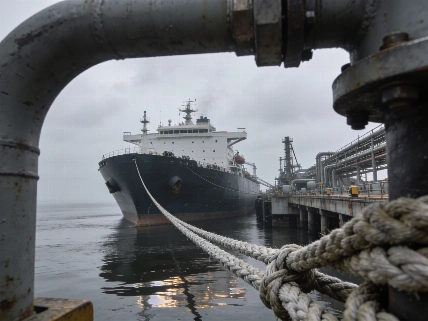
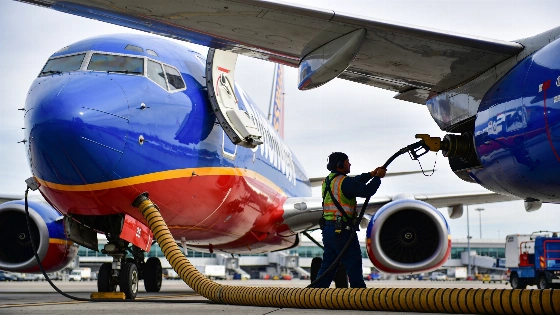
Fuel is one of the largest expenses for any airline, and sudden price spikes can quickly undermine profit forecasts. Southwest does not provide direct fuel price guidance, instead offering investors a snapshot based on forward market prices as of a specific date. The company's fuel procurement team has taken steps to mitigate the impact, such as shifting lower-priced Gulf Coast fuel to the West Coast when regional prices diverged. This strategy helped keep Southwest's fuel costs below some competitors during the quarter, but the overall increase in prices still weighed heavily on results.
Southwest's experience is not unique in the industry. Airlines often struggle to pass higher fuel costs onto customers quickly enough through ticket prices, especially when demand is strong but competitive pressures limit fare increases. As a result, even record-setting revenue can be offset by rising operating expenses.
Demand Remains Strong
Despite the fuel headwinds, Southwest's core business continues to show momentum. Adjusted unit revenue jumped 20.1% year over year in the second quarter, setting a new company record. Managed business revenue, which includes corporate travel, grew 30% from the prior year, and the airline's loyalty program approached 100 million members, with new sign-ups up 35% year over year. These gains reflect the success of recent product changes, such as assigned seating, extra legroom options, and new bag fees.
Management pointed to broad-based demand across all sectors and geographies, with no signs of a slowdown in bookings or fare strength. The company expects third-quarter unit revenue growth of 17.5% to 19.5%, though this is partly due to tougher comparisons following last year's rollout of new fees.
Cost Outlook and Liquidity
On the cost side, Southwest projects that third-quarter costs per available seat mile, excluding fuel, will rise 3.5% to 4% year over year, with capacity expected to remain flat or decline slightly. The airline reported liquidity of $5.3 billion at the end of the second quarter, well above its $4.5 billion target, and generated nearly $2 billion in operating cash flow during the first half of the year despite higher fuel bills.
Southwest's efforts to diversify revenue, grow its loyalty base, and maintain cost discipline are helping to offset some of the pain from fuel volatility. Still, the company acknowledges that fuel prices remain the biggest wildcard for its financial performance in the months ahead.
While Southwest's situation highlights the challenge of managing unpredictable costs, it is not the only airline facing turbulence. For example, United Airlines recently dealt with a different kind of operational disruption after a controversial airport name change, as detailed in this report on passenger reactions and financial impact.
For the second quarter of 2026, Southwest Airlines reported record revenue of $8.7 billion, up 14% from the same period last year, according to company filings. Operating margin expanded to 13.2%, while net income reached $1.1 billion. The airline's average fuel price per gallon rose 29% year over year, underscoring the scale of the cost challenge even amid strong demand.
Airline profitability is highly sensitive to fuel price swings, which can be difficult to hedge or predict over longer periods. While some carriers use financial instruments to lock in future fuel costs, these strategies carry their own risks and may not fully protect against rapid market changes. For travelers, higher fuel costs can eventually translate into higher fares, though airlines often absorb some of the increase to remain competitive. Investors should recognize that even well-managed airlines face significant uncertainty from commodity price volatility, making earnings forecasts subject to rapid revision when market conditions shift.