United Airlines is offering refunds and free changes for travelers avoiding the newly renamed President Donald J. Trump International Airport, as controversy and protests mount over the decision and its financial impact on the region
Travelers flying in and out of Palm Beach, Florida, are confronting a new reality after the state officially renamed Palm Beach International Airport to President Donald J. Trump International Airport in July, according to PBS. The move, driven by legislation signed by Governor Ron DeSantis, has triggered immediate controversy, with new signage installed and the airport code set to change from PBI to DJT in August 2026. The decision breaks with the longstanding U.S. tradition of not naming major airports after living presidents, and has sparked both local protests and a wave of negative feedback from travelers.
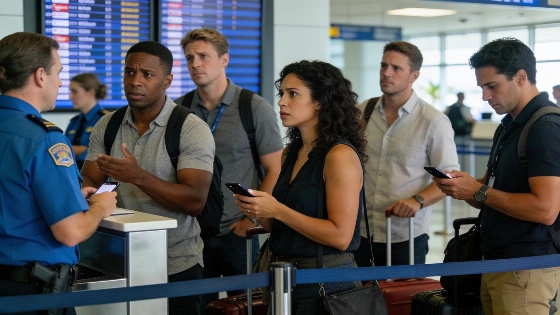
Hundreds of travelers have contacted airport officials to express their intent to avoid the airport, and demonstrations have taken place along the main access roads. The airport serves not only Palm Beach but also the surrounding region, including the Mar-A-Lago estate. The backlash has created operational and reputational challenges for airlines serving the airport, especially as some travelers vow to boycott the location entirely.
United Airlines Responds to Customer Pushback
In response to the mounting controversy, United Airlines has implemented a temporary policy allowing travelers with existing bookings to or from the airport to change or refund their tickets, even if their fare class would normally prohibit such changes. According to reporting by Live And Let's Fly, United reservation agents have been instructed to offer alternative airports-specifically Fort Lauderdale (FLL) and Miami International (MIA)-to customers who do not wish to travel through the newly renamed airport. Both alternatives are within an hour's drive of Palm Beach and serve as major gateways for South Florida.
Internal guidance provided to United staff suggests agents should proactively offer these alternatives and frame the conversation as a customer service accommodation, rather than a forced rerouting. The policy is notable because airlines typically restrict free changes or refunds to specific circumstances, such as schedule changes or severe weather, rather than airport renamings. United later clarified that while it routinely allows changes for many reasons, its official policy does not specifically permit changes based solely on an airport's name or code.
Financial and Operational Implications
The controversy comes at a time when airlines are already navigating shifting consumer preferences and heightened sensitivity to political and social issues. United's decision to accommodate travelers avoiding President Donald J. Trump International Airport could set a precedent for how airlines handle similar situations in the future. The move also raises questions about the financial impact on the airport and the broader region, as traveler boycotts and rerouted flights could affect passenger volumes, local tourism, and airport revenue.
According to the Bureau of Transportation Statistics, Palm Beach International Airport handled over 6.7 million passengers in 2023, making it a significant hub for both leisure and business travel in South Florida. Even a modest decline in passenger traffic could have ripple effects on local businesses, airport concessions, and municipal budgets that rely on travel-related tax revenue. Airlines, meanwhile, must balance customer service with operational efficiency, as rerouting passengers to alternative airports can increase costs and complicate logistics.
Industry Context and Policy Risks
United's approach comes as airlines across the U.S. are reevaluating their customer service policies in response to shifting traveler expectations and reputational risks. The situation in Palm Beach highlights the complex intersection of politics, branding, and consumer choice in the travel industry. While some travelers may welcome the airport's new name, others see it as a reason to take their business elsewhere, forcing airlines to navigate a politically charged environment without alienating large segments of their customer base.
Airlines have faced similar dilemmas in recent years, from pandemic-era refund policies to the rollout of new in-flight technology. For example, the expansion of paid Wi-Fi on budget carriers, as discussed in this recent analysis of Starlink's impact on airline connectivity, shows how operational decisions can quickly become flashpoints for consumer sentiment and brand loyalty. In the case of United and the Palm Beach airport renaming, the company's willingness to offer flexibility may help mitigate immediate backlash, but it also underscores the challenges airlines face in an era of heightened political polarization.
As the airport code transition to DJT approaches in 2026, airlines, local officials, and travelers alike will be watching closely to see how the situation evolves-and whether similar naming controversies emerge elsewhere in the country.
Airport naming decisions can have far-reaching financial and operational consequences for airlines, local governments, and travelers. While the name on a terminal may seem symbolic, it can influence traveler behavior, affect airport branding, and even impact regional tourism and business activity. Airlines must weigh the costs of accommodating customer preferences against the need for consistent policies, while local officials must consider the broader economic implications of controversial naming decisions. In a competitive travel market, even seemingly minor changes can have measurable effects on passenger volumes, revenue streams, and community reputation.