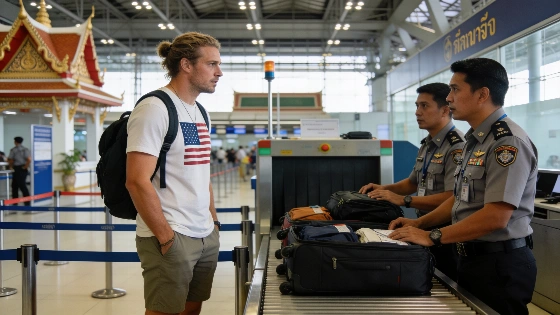
A recent change in Thai law means travelers caught bringing cannabis buds into the country could face up to 10 years in prison and steep fines, raising the stakes for U.S. tourists and others planning trips to Thailand in 2026
Thailand remains a top destination for American travelers, known for its beaches, cuisine, and vibrant culture. But a recent legal change is creating new risks for tourists: starting June 2026, bringing cannabis buds into Thailand-even unintentionally-can result in criminal charges, including up to a decade in prison and fines as high as 500,000 baht (about $15,000). This marks a sharp shift from previous policy, where cannabis buds were typically confiscated at the border without further penalty.
The U.S. State Department, along with the governments of the United Kingdom and Canada, has issued updated travel advisories warning citizens about the new enforcement. While Thailand decriminalized cannabis possession in 2022, the import and export of cannabis products remain strictly illegal without proper authorization. The U.S. advisory stresses that Americans are subject to local laws abroad, and the U.S. government cannot intervene if travelers are detained or arrested for violating Thai regulations.
Stricter Border Controls
The new penalties are part of a broader crackdown by Thai lawmakers aimed at curbing drug-related offenses and other crimes linked to tourism. According to reporting by TheStreet, the updated law specifically targets individuals attempting to import, export, or evade restrictions on cannabis. The risk is highest for travelers unaware of the change, especially in the months immediately following implementation.
In addition to the cannabis crackdown, Thailand is tightening other entry rules. Beginning in early 2026, the maximum visa-free stay for most Western visitors will be reduced from 60 days to 30 days. This policy reversal follows a surge in Western tourists entering under the longer visa-free period and then launching unauthorized businesses, prompting Thai authorities to act. On the island of Koh Samui, regulators recently revoked the licenses of four travel agencies operated by Westerners using local nominees, underscoring the government's intent to enforce business and immigration laws more aggressively.
Tourism and Economic Impact
Thailand's tourism sector is a major economic driver, with nearly 33 million international arrivals in 2025, making it one of Asia's most visited countries. Bangkok alone saw 30 million visitors that year, ranking among the world's busiest cities for international tourism. The new legal risks could affect travel patterns, especially among Americans, Britons, and Canadians who make up a significant share of Thailand's tourist base.
For U.S. travelers, the financial consequences of running afoul of Thai drug laws are severe. In addition to potential prison time, the fines can reach $15,000-an amount that could derail a vacation budget or create long-term financial hardship. The risk is compounded by the fact that cannabis laws vary widely across Asia, and what is legal or tolerated in one country may be a serious offense in another.
Key Numbers
According to the Tourism Authority of Thailand, the country welcomed 32.6 million international visitors in 2025, with Americans accounting for over 1.2 million arrivals. The maximum fine for cannabis import violations is set at 500,000 baht (approximately $15,000), and the maximum prison sentence is 10 years. The reduction in visa-free stays from 60 to 30 days is expected to take effect in January 2026.
Travelers planning trips to Thailand should review the latest advisories and ensure compliance with all entry and customs regulations. Ignorance of the law is not a defense, and penalties for drug offenses in Thailand are among the harshest in the region. Those with questions about the new rules should consult official government sources or seek legal advice before traveling.
While Thailand's decriminalization of cannabis in 2022 led to a boom in cannabis-related businesses and tourism, the country's approach to drug regulation remains complex and subject to rapid change. The distinction between decriminalization and legalization is critical: possession for personal use may be tolerated, but import, export, and unlicensed commercial activity are still criminal offenses. Travelers should be aware that enforcement can be strict and penalties severe, especially for foreigners. Understanding the nuances of local law-and the risks of assuming that U.S. norms apply abroad-can help avoid costly and potentially life-altering mistakes.