SpaceX’s record-breaking IPO minted over 4,400 employee millionaires, from welders to executives, but falling share prices and strict lockup rules mean most can’t cash out yet and face real risks to their newfound wealth
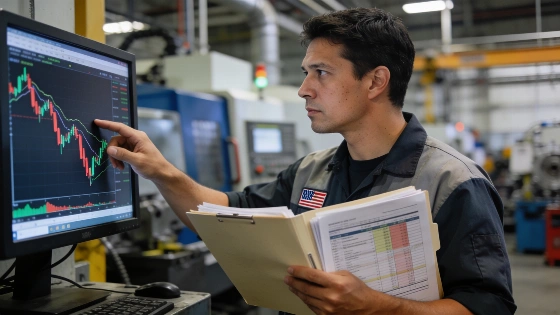
When SpaceX went public, more than 4,400 current and former employees—including welders, machinists, and technicians—became millionaires on paper overnight. The company’s historic initial public offering, priced at $135 per share, valued SpaceX at roughly $1.77 trillion and raised $75 billion, making it the largest IPO in history, according to Nasdaq. For workers like Juan Hernandez, who joined SpaceX as a welder in 2015 and received $10,000 in stock options, the IPO transformed years of equity grants into a windfall worth nearly $900,000 at the offer price.
Yet the reality for these new millionaires is more complicated than the headlines suggest. SpaceX shares surged to an intraday high of $225.64 within days of the June 12 debut, but have since dropped about 35%, closing at $145.07 on July 10. For Hernandez, that swing erased over $500,000 in paper wealth in less than a month. Most employees are also subject to lockup agreements that prevent them from selling the majority of their shares for up to six months after the IPO, limiting their ability to turn stock into cash while prices remain volatile.
Equity for the Factory Floor
Unlike many tech IPOs that concentrate wealth among executives and software engineers, SpaceX distributed equity widely across its workforce. According to Fortune, about 400 employees are expected to hold stakes exceeding $100 million. The company granted stock options at hiring, promotion, and through annual performance awards, and also offered an employee stock purchase plan. Twice-yearly liquidity events before the IPO allowed some staff to sell shares, but most of the wealth was locked up until the public listing.
This broad-based equity approach reflects the company’s reliance on skilled tradespeople—such as welders and machinists—whose roles are difficult to automate and critical to rocket manufacturing. As a result, SpaceX’s IPO created a rare instance where blue-collar workers saw the kind of financial upside typically reserved for Silicon Valley insiders.
Paper Wealth and Real Risks
Despite the headline numbers, the path from stock options to spendable cash is fraught with risk. Many employees accumulated shares by purchasing them through payroll deductions, exposing them to the full volatility of a single, high-profile stock. According to CNBC, SpaceX stock now represents up to 90% of some employees’ net worth, creating significant concentration risk if the share price continues to fall or underperforms broader markets.
Lockup restrictions further complicate matters. Most insiders can sell up to 20% of their holdings after the first quarterly earnings report, expected in August, with additional tranches unlocking over the following months. The final restrictions lift at the six-month mark. This staggered release means employees must navigate both market swings and personal liquidity needs, with no guarantee that prices will recover to IPO highs.
Some analysts are skeptical about SpaceX’s valuation. Morningstar’s equity research places the company’s fair value at $63 per share—less than half the IPO price—citing the risks inherent in the commercial space industry and the company’s ambitious growth projections. If such estimates prove accurate, many employees could see their paper fortunes shrink further before they have a chance to sell.
Managing Sudden Wealth
The influx of new millionaires has already begun to reshape the wealth management industry. More than 100 SpaceX employees have reportedly formed a collective to negotiate lower advisory fees, representing between $1 billion and $5 billion in combined assets. Private banks and financial advisors are actively courting these clients, who must now make complex decisions about taxes, diversification, and long-term planning—often with little prior experience managing such sums.
For most, the challenge is not just how to spend or invest their new wealth, but how to protect it. Concentrated stock positions, uncertain tax liabilities, and the psychological impact of sudden financial change all add layers of complexity. Many will need to consider strategies such as staged selling, charitable giving, or setting up trusts to manage both risk and opportunity.
SpaceX’s IPO stands out not only for its size, but for the way it has upended traditional patterns of wealth creation in American industry. Whether these new millionaires remain so will depend on market performance, personal decisions, and the unpredictable trajectory of one of the world’s most ambitious companies.
SpaceX’s IPO on June 12, 2026, raised $75 billion and valued the company at $1.77 trillion, according to Nasdaq. The offering eclipsed the previous global IPO record set by Saudi Aramco’s $25.6 billion listing in 2019. SpaceX shares opened at $150, peaked at $225.64, and closed at $145.07 on July 10, reflecting a 35% drop from the post-debut high. Lockup agreements restrict most employees from selling more than 20% of their shares until after the first quarterly earnings report, with full access only after 180 days.
Employee stock options and purchase plans are a common feature of tech and high-growth companies, but they carry unique risks and rewards. While equity can offer substantial upside if a company succeeds, it also exposes workers to volatility and concentration risk—especially when most of their net worth is tied to a single employer’s stock. Diversification, staged selling, and professional advice can help manage these risks, but timing and market conditions remain critical. For employees at companies like SpaceX, the difference between paper wealth and real financial security often comes down to when—and how—they’re able to cash out.