Tesla's Q2 delivery rebound lifted hopes, but investors remain cautious as profit margins face pressure from incentives, regulatory changes, and product decisions ahead of the July 22 earnings report
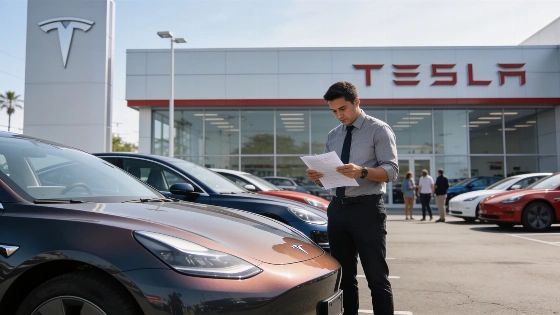
Tesla's second-quarter delivery numbers offered a rare bright spot for investors this month, with the company reporting over 480,000 vehicles delivered-a 25% increase from the same period last year. This marked Tesla's strongest second-quarter performance to date, reversing a recent trend of declining annual deliveries. Yet, the initial stock rally faded quickly. Over the past month, Tesla shares have dropped nearly 16%, and the stock remains down more than 42% year to date. With the company's Q2 earnings report scheduled for July 22, market attention is now focused on whether Tesla can translate higher sales into sustainable profits.
Despite the delivery surge, analysts and investors are scrutinizing the underlying drivers and the cost of achieving those numbers. According to reporting by TheStreet, Tesla relied heavily on aggressive incentives to boost demand, including a 0.99% APR financing offer for the Model Y in the U.S. during May. While such promotions have historically helped move inventory, they come at a significant cost. Deutsche Bank analysts estimate that if 45,000 U.S. buyers took advantage of the low-rate financing, the upfront cost to Tesla's banking partner could reach $180 million, directly impacting the company's profit margins for the quarter.
Margin Headwinds
Incentives are not the only factor weighing on Tesla's bottom line. The company benefited from a one-time warranty and tariff relief totaling $230 million in the first quarter, but those gains are not expected to repeat in Q2. Deutsche Bank projects that the unwinding of these temporary benefits could create a sequential headwind, further pressuring quarterly results. Additionally, Tesla's recent decision to eliminate the option for customers to purchase Full Self-Driving (FSD) outright is expected to reduce near-term revenue by an estimated $200 million, according to the same analysts.
Despite these challenges, Deutsche Bank has maintained its buy rating and a $465 price target for Tesla, citing the potential for a future merger with SpaceX as a possible catalyst. The prospect of combining Tesla's automotive and energy businesses with SpaceX's aerospace operations has fueled speculation about new synergies and growth opportunities, though such a merger would face significant regulatory and financial hurdles.
Cash Burn and Merger Risks
Not all analysts are convinced that a Tesla-SpaceX merger would benefit shareholders in the near term. BNP Paribas, which maintains an underperform rating and a $280 price target on Tesla, points to the substantial cash burn at both companies as a major obstacle. The firm notes that SpaceX is projected to burn through $216 billion between 2026 and 2031, while Tesla is entering a multi-year period of elevated spending. Tesla recently raised its expected capital expenditures for the year to $25 billion, with plans to invest heavily in new technologies such as the Optimus humanoid robot and the Robotaxi platform. BNP Paribas expects Tesla's annual capital spending to average $23 billion through 2030.
Regulatory complexity adds another layer of uncertainty. Any merger between Tesla and SpaceX would require approval from multiple U.S. agencies, especially given SpaceX's defense contracts and national security work. Gaining support from Tesla shareholders would also be necessary, making the timeline for any potential deal highly uncertain.
Market Data and Outlook
For the second quarter of 2026, Tesla reported 480,000 vehicle deliveries, up from 466,140 in the same period a year earlier. Despite the delivery growth, Tesla's stock closed at $182.50 on July 15, 2026, down 42% year to date. The company's market capitalization stood at approximately $580 billion as of the same date, reflecting ongoing investor concerns about profitability and future growth. Analysts remain divided on the stock's outlook, with price targets ranging from $280 to $465, underscoring the high degree of uncertainty surrounding Tesla's next moves.
As Tesla prepares to report earnings, investors will be watching closely for signs that the company can balance growth with profitability. The outcome could shape not only Tesla's stock trajectory but also broader sentiment toward electric vehicle makers facing similar pressures in a competitive market.
When automakers use incentives such as low-rate financing or rebates to boost sales, the immediate effect is often a spike in deliveries. However, these strategies can erode profit margins, especially if used repeatedly or at scale. For investors, it's important to distinguish between top-line growth driven by genuine demand and growth fueled by costly promotions. Sustainable profitability in the auto industry typically depends on a company's ability to manage costs, maintain pricing power, and invest in future technologies without overextending its balance sheet. As Tesla's Q2 results approach, the company's ability to navigate these trade-offs will be a key test for both management and shareholders.