
The White House is signaling a harder line on Iran as cyber probes, missile defenses, and market fallout deepen. The conflict is now affecting U.S. security planning, energy profits, and investor nerves
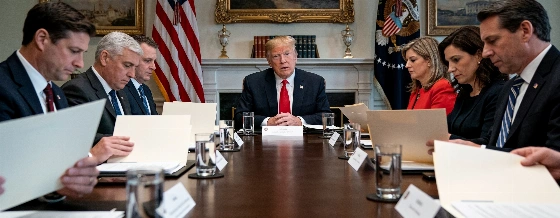
President Trump used a Cabinet meeting on Friday to argue that the U.S. is making progress in the war in Iran, while also signaling that he is increasingly skeptical a deal can still be reached. His comments came as federal investigators reviewed possible Iranian cyber activity tied to water systems in at least seven states and as the administration reinforced military defenses in the region.
The mix of military pressure, cyber risk, and diplomatic uncertainty matters far beyond Washington. It can influence crude oil markets, raise security costs for U.S. allies and companies operating overseas, and add another layer of risk for investors already watching the conflict for spillover effects. Based on reporting by The Washington Post, the administration's message was that the U.S. intends to keep pressure on Iran until its position changes.
Trump framed the conflict as a test of endurance and claimed the U.S. has performed better than in earlier long wars, including Vietnam, Afghanistan, and Korea. He also said Iran was handling the conflict poorly and accused its leaders of repeatedly breaking commitments. That stance leaves little room for a quick diplomatic reset, even as the administration still keeps some form of negotiations on the table.
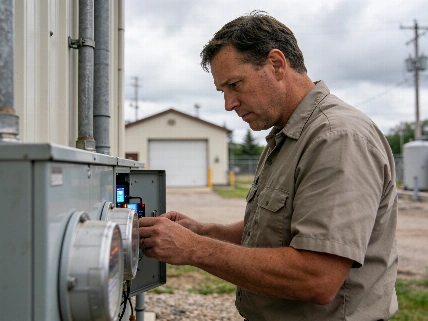
At the same time, investigators are trying to determine whether the reported cyber intrusions affecting water systems were carried out by Iranian hackers. The issue is especially sensitive because water utilities are often local or regional systems that may not have the cybersecurity budgets of larger federal agencies or major banks. Even if the incidents turn out to be limited, the episode underscores how a geopolitical fight can quickly become a domestic infrastructure problem.
Trump's remarks also suggested a political angle at home. Rather than squarely blaming Iranian actors for the cyber incidents, he floated the idea that Minnesota or its governor might be responsible. That kind of claim adds noise to an already complicated investigation, where attribution can take time and often depends on technical evidence that is not immediately public.
On the military side, the U.S. is strengthening air defenses in Iraq after U.S.-Saudi strikes on pro-Iran militants. That step reflects a familiar risk in regional conflicts: retaliation can spread beyond the initial battlefield and force governments and companies to spend more on protection, logistics, and insurance. For energy markets, even the hint of escalation can affect tanker routes, shipping costs, and futures pricing.
Markets and leverage
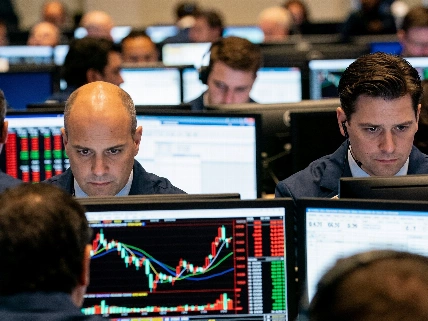
Some of the clearest financial winners in wars are the companies positioned to supply fuel, security, or defense equipment. The article notes that major oil companies are posting massive profits as the conflict ripples through the market, a reminder that higher geopolitical risk can lift commodity prices even when the broader economy is under strain. Those gains do not necessarily mean the war is economically beneficial overall; for households and businesses, higher energy prices can still filter through to transportation, heating, and shipping costs.
Iran's claim that it struck tankers in the Strait of Hormuz adds another layer of concern because that narrow waterway is one of the world's most important chokepoints for crude exports. Any confirmed disruption there can force traders, refiners, insurers, and shipping firms to reassess risk quickly. Even unverified claims can move markets if they reinforce the possibility of a supply shock.
What to watch
For U.S. readers, the immediate question is not whether the conflict produces a dramatic headline, but whether it changes costs and risk management. Higher oil prices can feed into inflation expectations, and persistent cyber threats can force public utilities and private firms to spend more on defenses and recovery. In a conflict like this, the economic damage often arrives in incremental ways rather than all at once.
The most useful indicators over the next several days will be whether the cyber investigations produce a credible attribution, whether Iraq's air defenses face further strain, and whether shipping conditions in the Gulf remain stable. Those developments will tell markets more than the rhetoric. A war can be waged on many fronts at once, but the financial consequences usually show up first in energy, transport, insurance, and security budgets.
Cyber attribution is one of the hardest parts of modern conflict because a suspicious network event is not the same thing as a proven state-backed attack. Investigators usually need technical logs, malware analysis, and intelligence from multiple agencies before they can make a confident determination. That delay creates a gap between public fear and verified evidence, and markets often have to price that gap before the facts are settled.