
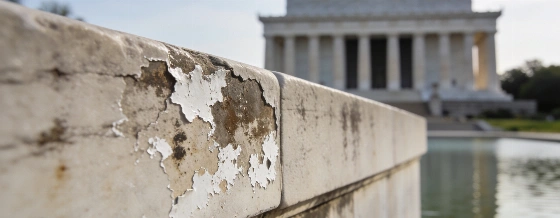
President Trump is urging the Department of Justice to revisit its decision to drop charges tied to alleged vandalism at the Lincoln Memorial Reflecting Pool, raising questions about accountability and federal property maintenance costs
President Trump is calling on the Department of Justice to reverse its recent decision to drop criminal charges against individuals accused of damaging the Lincoln Memorial Reflecting Pool. The push comes after Trump posted images on social media that he claims show evidence of vandalism, including graffiti and what appears to be deliberate slashing of the pool's protective coating. The president's renewed focus on the issue has put a spotlight on how federal agencies handle property damage, the costs of repairs, and the process for holding alleged offenders accountable.
The controversy centers on a decision by U.S. Attorney for the District of Columbia Jeanine Pirro, whose office stated that contractors responsible for recent renovations were behind the damage, not vandals. Trump has disputed this explanation, suggesting that the evidence points to intentional acts, including the use of knives to cut through the pool's surface and the possible addition of fertilizer to promote algae growth. The debate has raised questions about the standards for prosecuting vandalism on federal property and the transparency of investigations into such incidents.
Federal property maintenance is a significant expense for U.S. taxpayers. According to the General Services Administration, the federal government spent over $7 billion on repairs and maintenance for public buildings and monuments in fiscal year 2024. High-profile sites like the Lincoln Memorial Reflecting Pool require regular upkeep, especially after major renovations or incidents of damage. When vandalism is suspected, the cost of repairs can escalate, and the process for recouping those costs through legal action or insurance claims can be complex and time-consuming.
For the Department of Justice, decisions to prosecute or drop charges in cases involving federal property are influenced by the strength of the evidence, the cost of litigation, and the likelihood of securing a conviction. In this case, the DOJ's initial move to drop charges was based on findings that attributed the damage to renovation contractors rather than outside actors. Trump's public campaign to revisit the decision has put additional pressure on prosecutors to justify their approach and may prompt further review of the evidence.
The dispute also highlights the challenges of distinguishing between accidental damage and intentional vandalism, especially when multiple parties are involved in renovation projects. For federal agencies, establishing clear documentation and surveillance during construction or maintenance work is critical to determining liability and ensuring that public funds are used efficiently. The outcome of this case could influence future protocols for investigating and prosecuting damage to national landmarks.
Federal property vandalism cases often hinge on forensic evidence, witness statements, and video surveillance. The cost of repairing high-profile sites like the Lincoln Memorial Reflecting Pool can run into hundreds of thousands of dollars, depending on the extent of the damage and the materials required. In fiscal year 2024, the National Park Service reported more than 200 incidents of vandalism across its managed sites, with total repair costs exceeding $2 million for the year.
When federal property is damaged, the government must determine whether the incident was accidental, the result of negligence, or a deliberate act. This distinction affects not only the legal response but also the allocation of repair funds and the pursuit of restitution. In cases where contractors are found responsible, liability may be addressed through contract provisions or insurance claims. When vandalism is confirmed, criminal prosecution and civil recovery efforts may follow. The process underscores the importance of thorough investigation and clear evidence in protecting public assets and taxpayer dollars.