President Trump is asking the Supreme Court to greenlight a $400 million White House ballroom, arguing it is vital for security, despite lower court rulings requiring Congressional approval and ongoing legal challenges
President Donald Trump has escalated his push to construct a $400 million ballroom at the White House, filing an emergency request with the Supreme Court after lower courts blocked the project pending Congressional approval. The administration contends that the new structure is essential for presidential security, referencing past threats to Trump's safety and the need for enhanced protective infrastructure. The legal dispute centers on whether the president can unilaterally authorize major alterations to the White House or must first secure explicit approval from Congress.
Recent rulings from federal courts in Washington, DC, have reinforced Congressional oversight, halting above-ground construction on the ballroom but allowing work to continue on a subterranean security bunker beneath the site. The appeals court's decision, issued last week, gave the administration a 14-day window to seek Supreme Court intervention before the order takes full effect. The Trump administration argues that the entire ballroom is designed to shield the military installation below, and that pausing construction at this stage could compromise both current and future presidential security.
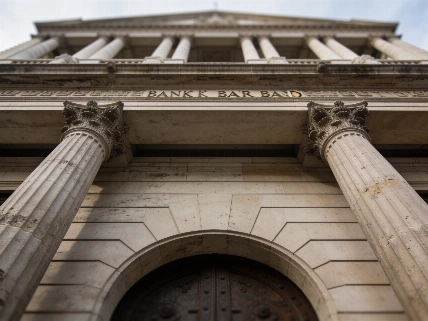
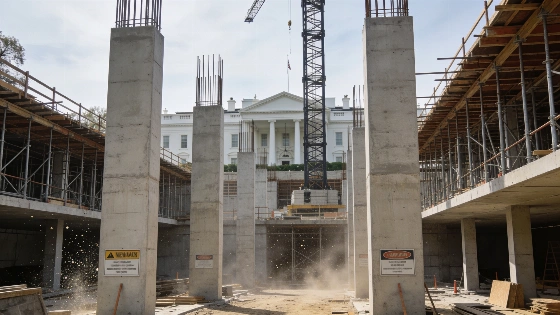
The proposed ballroom would add approximately 89,000 square feet to the White House complex, making it significantly larger than the main Executive Mansion, which totals 55,000 square feet. According to the project's lead architect, the design draws inspiration from the Supreme Court's Corinthian columns, with materials sourced from Indiana limestone and crafted in Italy. Construction began in the spring and has already progressed to the installation of concrete support columns and rebar, as shown in images released by the president in early August. Trump has been personally involved in design decisions, including floor plans and marble selection, and has set a target completion date for summer 2028.
The National Trust for Historic Preservation, which brought the case against the administration, argues that Congress has not granted the president unchecked authority to redesign the White House, emphasizing the building's status as a national historic landmark. The administration maintains that existing law gives the president broad discretion to make alterations and improvements as deemed necessary, but the courts have so far disagreed, citing the scale and permanence of the proposed changes. The legal battle highlights the tension between executive authority, legislative oversight, and the stewardship of public assets.
For context, the White House has undergone several renovations and expansions over its history, but major projects typically require Congressional funding and approval. According to the Congressional Research Service, federal law generally mandates that significant alterations to historic federal buildings, including the White House, be subject to legislative review and public transparency. The $400 million price tag for the proposed ballroom would represent one of the largest single investments in White House infrastructure in recent decades.
Large-scale federal construction projects, especially those involving historic sites, often face complex regulatory hurdles. The National Historic Preservation Act requires federal agencies to consider the impact of major changes on historic properties and to consult with preservation groups and the public. Balancing security needs with preservation standards can lead to lengthy legal and political battles, as seen in this case. For taxpayers, such projects raise questions about cost, oversight, and the appropriate use of public funds for executive branch priorities.