The US has imposed sanctions on top International Criminal Court officials, intensifying a campaign to undermine the court's authority and pressuring allies to withdraw support, with potential consequences for global legal cooperation and financial flows
The U.S. government has escalated its campaign against the International Criminal Court (ICC) by imposing sanctions on two of its senior officials, a move that signals a deepening rift between Washington and the global legal body. Secretary of State Marco Rubio announced new sanctions targeting ICC President Tomoko Akane and senior trial lawyer Abdoulaye Seye, citing their involvement in investigations and actions against officials from countries that have not accepted the court's jurisdiction. The decision is part of a broader effort by the current administration to dismantle the ICC's influence, particularly where it concerns U.S. nationals and allies.
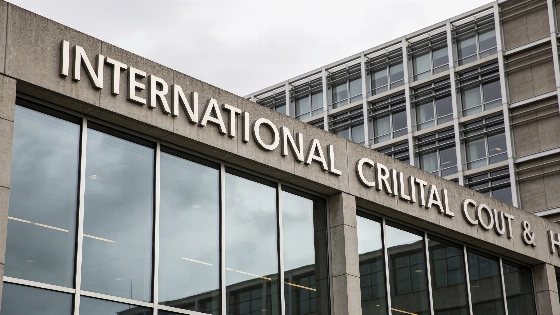
The ICC, headquartered in The Hague, responded by condemning the sanctions, warning that such measures threaten the rule of law and the court's ability to pursue justice for victims of international crimes. The court emphasized its commitment to operating independently and impartially under the Rome Statute, the treaty that established its authority. Despite mounting pressure, ICC officials have stated they will continue their work, including ongoing investigations into alleged war crimes and crimes against humanity.
International Fallout
The U.S. campaign has already begun to reshape international alliances and legal cooperation. In recent weeks, the interim government of Venezuela and the government of Chad both announced their intention to withdraw from the ICC, moves that followed direct U.S. encouragement. U.S. officials have urged other countries-especially those with close security or economic ties to the United States-to end their support for the court, warning of increased scrutiny for those that do not comply. The State Department has praised these withdrawals, arguing that the ICC has overreached by investigating officials from countries with independent judicial systems or those that never accepted its jurisdiction.
These developments come after the ICC issued arrest warrants in November 2024 for several high-profile officials, including Israeli Prime Minister Benjamin Netanyahu, over alleged war crimes during military operations in Gaza. The court's actions have drawn sharp criticism from the U.S., which is not a party to the Rome Statute, and from other countries that view the ICC's investigations as politically motivated or biased against certain regions.
Financial and Legal Implications
The sanctions imposed by the U.S. freeze any assets the targeted ICC officials may hold in the United States and prohibit U.S. persons and entities from conducting transactions with them. While the direct financial impact on the ICC's leadership may be limited, the broader campaign could have significant consequences for the court's funding and international legitimacy. The U.S. has called on other nations to cut financial support and participation in the ICC, raising the risk that the court could face budget shortfalls or operational constraints if additional countries follow suit.
For U.S. investors and multinational companies, the growing divide between the U.S. and international legal institutions introduces new uncertainties. Companies operating in countries that are withdrawing from the ICC or facing U.S. sanctions may encounter increased legal and compliance risks, particularly in sectors exposed to international law or cross-border enforcement actions. The situation also complicates diplomatic relations and could affect the stability of international agreements that rely on shared legal frameworks.
Recent Data and Context
According to the ICC's 2025 annual report, the court's budget for the year was approximately €170 million (about $185 million), funded primarily by contributions from member states. The U.S. has not contributed to the ICC's budget since its inception, but several key U.S. allies-including Germany, France, and the United Kingdom-remain among the court's largest financial supporters. The recent withdrawals by Venezuela and Chad mark the first such exits in several years, highlighting the potential for further erosion of the court's membership and resources if the U.S. campaign gains traction.
The ICC's mandate is to prosecute individuals for genocide, war crimes, and crimes against humanity when national courts are unwilling or unable to do so. The court's authority is limited to its member states and those that accept its jurisdiction, which excludes the U.S., Israel, Russia, and China, among others. The ongoing conflict between the U.S. and the ICC underscores the challenges of enforcing international law in a fragmented global system, where major powers can exert significant influence over the reach and effectiveness of multilateral institutions.
Sanctions are a tool frequently used by the U.S. government to influence international behavior, but their effectiveness depends on the global reach of the U.S. financial system and the willingness of other countries to cooperate. In the case of the ICC, the U.S. is leveraging its economic and diplomatic power to reshape the court's role and limit its jurisdiction over American and allied officials. For investors and companies with international exposure, these developments highlight the importance of monitoring geopolitical risks and understanding how shifts in legal frameworks can affect cross-border operations, compliance obligations, and reputational risk.