VerifyMe plans a $0.15 per share special dividend, but only if its high-stakes merger with OpenWorld closes after shareholder approval and other hurdles
VerifyMe shareholders may receive a special dividend of $0.15 per share, but this payout is strictly conditional: it will only be distributed if the company's merger with OpenWorld is completed. The board's authorization of this special cash dividend depends on both shareholder approval and the successful closing of the merger agreement, making the dividend far from assured.
The merger's contractual outside date was recently extended from August 31, 2026 to October 31, 2026, giving both companies additional time to meet closing conditions.
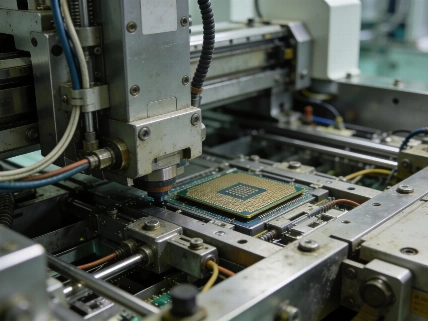
VerifyMe, listed on NASDAQ as VRME, operates in authentication and precision logistics, serving sectors where secure handling of time- and temperature-sensitive products is critical. The company's future is now closely linked to OpenWorld, a digital assets and blockchain firm that has advised on projects totaling over $66 billion in network value since its founding in 2023. OpenWorld's activities include real-world asset tokenization, stablecoin infrastructure, and capital markets advisory, with ongoing projects in the Gulf, Europe, Australia, and Southeast Asia.
Shareholders are advised to review the Proxy Statement/Prospectus and the Registration Statement on Form S-4/A, which became effective August 12, 2026. The annual meeting, scheduled for September 24, will determine whether the merger-and therefore the dividend-proceeds. The company has distributed the necessary documents and is encouraging prompt voting to avoid delays. According to an Investing.com summary, the transaction is contingent on both the merger and a related blockchain-share authorization, emphasizing that the deal is not automatic and requires explicit shareholder approval.
VerifyMe is also seeking shareholder approval for a blockchain-stock proposal tied to the OpenWorld merger, with plans for the combined company to pursue listings on both the Figure Technology Solutions' Figure OPEN network and Nasdaq.
Special dividends often prompt investors to weigh immediate payouts against long-term value. As recent coverage of Frontline's special dividend illustrates, such distributions can generate debate over whether short-term cash rewards justify the risks and strategic changes that may accompany them.
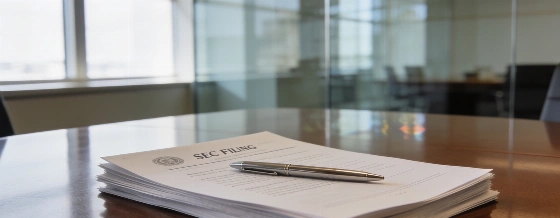
VerifyMe's merger with OpenWorld is not finalized. The company has filed the required Registration Statement with the SEC, and the Proxy Statement/Prospectus outlines the terms and associated risks. Investors can access these filings at www.sec.gov or request copies from VerifyMe's corporate office. The company also notes that its directors and executive officers may be considered participants in the proxy solicitation process, with further details available in the filings.
As of June 2026, the S&P 500 dividend yield was approximately 1.5%. Special dividends remain uncommon and typically indicate either surplus cash or a significant strategic shift. In VerifyMe's case, the dividend is explicitly linked to a transformative merger, not to ongoing profitability or excess capital. This structure means shareholders are not only investing in the company's future, but also in the successful execution of a complex transaction with multiple potential obstacles.
Tying a special dividend to the completion of a merger places considerable risk on shareholders. While the $0.15 per share payout may appear attractive, it is entirely dependent on a deal that faces regulatory, legal, and operational challenges. For investors, the key issue is not the headline dividend, but the uncertainty inherent in relying on a merger within a volatile sector. The prudent approach is to view the proposed payout as a possibility rather than a certainty, and to carefully consider the broader implications of a business combination that could reshape both companies' futures.
Special dividends are one-time cash payments issued outside a company's regular payout schedule, often in connection with major events such as mergers, asset sales, or windfalls. Unlike recurring dividends, these payments do not indicate ongoing profitability or a commitment to future distributions. Investors should distinguish between special dividends, which may not recur, and regular dividends, which reflect a company's underlying earnings and capital allocation strategy. In VerifyMe's case, the special dividend is not a reward for past performance but a conditional incentive tied to a strategic transaction, highlighting the importance of understanding the terms before factoring such payouts into investment decisions.