
South Korea's Kospi index has soared nearly 60 percent in 2026, led by Samsung and SK Hynix, while the iShares MSCI South Korea ETF has jumped 88 percent-raising questions about whether this rally can continue and how U.S. investors can participate
South Korea's stock market has delivered a performance in 2026 that few global investors anticipated. The Kospi index has surged nearly 60 percent this year, making it the world's top-performing major equity market. This rally has been driven primarily by the country's semiconductor leaders, Samsung Electronics and SK Hynix, which together now represent more than half the index's total weight. Both companies have surpassed $1 trillion in market capitalization, drawing renewed attention from international investors.
According to Reuters, South Korean police investigated 3,506 cases related to stock tip chat scams in the first half of 2026, with losses totaling about $246.6 million.
Semiconductors and the AI Boom
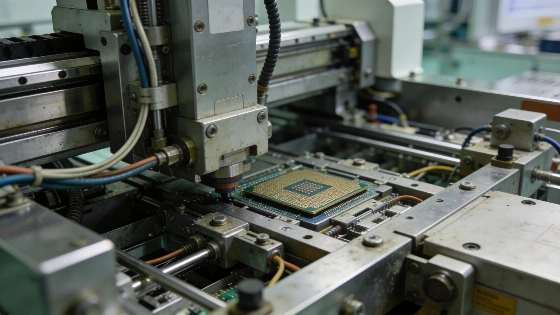
The primary driver of South Korea's market surge is global demand for memory chips, fueled by rapid growth in artificial intelligence infrastructure. Samsung Electronics, the world's largest memory chip producer, and SK Hynix have both seen their shares more than double this year. These companies are benefiting from a global shortage of memory chips and sustained demand from hyperscale data centers and AI computing projects. Their dominance in the Kospi means the index's performance is closely linked to the semiconductor sector.
Despite the strong rally, the Kospi has experienced significant volatility. As detailed in a Reuters financial review, the index declined by as much as 44% from its June 19 peak by mid-September 2026, following a sharp earlier advance. This highlights the market's sensitivity to shifts in sentiment and sector performance.
Bloomberg reported that the average daily trading volume on the Kospi fell to 20.6 trillion won in September 2026, marking the lowest level of the year and less than half the peak seen in May and June.
Valuation and ETF Exposure
Despite the rally, Korean stocks remain relatively inexpensive compared to U.S. peers. The Kospi trades at about 12 times earnings, while the S&P 500's price-to-earnings ratio is roughly 26. Korean semiconductor stocks are even cheaper, with single-digit P/E multiples indicating that some investors still view them as undervalued. For those seeking exposure, the iShares MSCI South Korea ETF offers a direct option. The fund holds 77 stocks and covers about 85 percent of the Korean equity universe, but its top holdings are heavily concentrated in Samsung Electronics (34.6 percent), SK Hynix (26.3 percent), and related technology firms.
Other significant positions include Samsung Electronics Preferred shares, SK Square, Samsung Electro-Mechanics, KB Financial Group, and Hyundai Motor. This concentration means the ETF's performance is closely tied to a small group of technology and industrial leaders. Investors should note that while the fund provides broad access to the Korean market, it is less diversified than many U.S. index funds.
Risks and Market Dynamics
Tech-driven rallies can be volatile, and the heavy weighting of semiconductors in both the Kospi and the ETF means that a downturn in chip demand or changes in global supply chains could quickly reverse recent gains. Currency risk is another consideration for U.S. investors, as returns in dollar terms may differ from local market performance. While improved corporate governance and reforms have attracted foreign capital to South Korea in recent years, the market's current trajectory remains highly dependent on a narrow set of companies and sectors.
For context, the S&P 500's gains in recent years have also been driven by a handful of mega-cap technology stocks, a pattern examined in recent analysis. Concentration risk is not unique to South Korea, but it is even more pronounced in the Kospi and the iShares MSCI South Korea ETF.
Exchange-traded funds (ETFs) like EWY allow U.S. investors to access foreign markets without directly purchasing overseas shares, but they carry their own risks. These include currency fluctuations, differences in market regulation, and the potential for sudden shifts in sector leadership. Investors considering international ETFs should review the fund's holdings, expense ratio, and liquidity, and assess how concentrated exposure aligns with their broader portfolio. Diversification across regions and sectors can help manage risk, but it does not eliminate the possibility of losses, especially in markets dominated by a few large companies.