Demand for vacation homes is rising for the first time since the pandemic, but the recovery is limited to high-income buyers as most Americans remain priced out by high mortgage rates and soaring property values
Expectations for a sluggish vacation-home market in 2025 have been upended by new data showing a surprising uptick in demand-though the rebound is far from broad-based. According to Redfin, second-home mortgage originations increased for the first time since the pandemic-era boom, signaling renewed activity among affluent buyers even as most Americans remain sidelined by high borrowing costs and steep home prices.
While the headline numbers suggest a recovery, the underlying figures reveal a more nuanced picture. The total number of second-home mortgages rose from 86,870 to 90,413, a gain of just 3,543 loans. That's still about 50% below 2019 levels and roughly 65% beneath the 2021 peak. Second-home loans now account for only 2.7% of all mortgage originations, compared to 5.1% at the height of the market. The modest increase has recouped just a fraction of the ground lost over the past three years.
Affordability Divide
The resurgence in vacation-home demand is concentrated among high earners. Redfin found that 85.2% of second-home mortgages went to buyers with a median income of $294,000-more than three times the U.S. household median of $88,000. The typical financed vacation property was valued at $515,000, about 30% higher than the median primary residence. Buyers aged 45 to 64 received nearly 59% of these loans, reflecting the dominance of older, wealthier households with accumulated assets.
Cash purchases further skew the market toward the affluent. National Association of Realtors data shows 57% of vacation-home buyers paid entirely in cash, compared to just 18% of primary-residence buyers. This means the true scale of high-end activity is likely understated by mortgage data alone.
Luxury home prices have outpaced the broader market, rising 4.7% year-over-year in May, while non-luxury homes saw a 1.5% increase. The national median sale price hit a record $408,776 in June, according to Redfin. For buyers financing a $515,000 second home with 20% down at a 6.58% 30-year fixed rate, monthly principal and interest payments would be about $2,626-roughly 51% higher than at 3% rates seen during the pandemic. Annual carrying costs, including taxes, insurance, and maintenance, can easily exceed $40,000, not counting the initial $103,000 down payment.
Regional Hotspots and Weak Spots
The rebound is highly localized. West Palm Beach led the nation with second-home mortgages making up 5.5% of all local originations, followed by New Brunswick (Jersey Shore) at 4.6% and Riverside (Palm Springs) at 3.8%. These are established luxury destinations where buyers often prioritize lifestyle and privacy over rental income. In contrast, markets like Las Vegas, Los Angeles, Orlando, Tampa, and Miami saw double-digit declines in second-home mortgage activity, reflecting weaker demand in areas more dependent on rental returns to justify ownership costs.
Some metros posted large percentage gains from very low bases. For example, Montgomery County, Pennsylvania, saw a 28.8% increase but only recorded 103 second-home mortgages in total. Indianapolis rose 26.6%, but the absolute number of new loans was just 58. These figures highlight how small changes can appear dramatic in thinly traded markets.
Market Implications
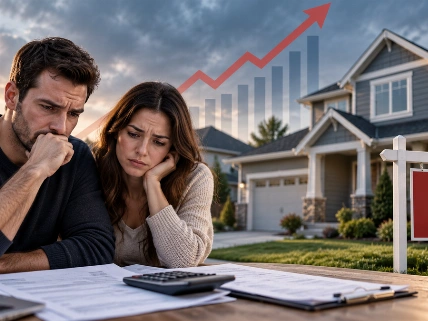
The uneven recovery in vacation-home demand underscores the widening gap between high-income and middle-income households in the housing market. The so-called "K-shaped economy"-where wealthier Americans benefit from asset appreciation while others face stagnation-remains evident. As Redfin's report shows, the current rebound is largely reserved for those with significant financial resources, while most buyers remain locked out by high rates and affordability barriers.
For sellers in luxury destinations like West Palm Beach, the Jersey Shore, and Palm Springs, competition among affluent buyers is likely to remain strong. In contrast, sellers in investor-driven markets may need to adjust pricing expectations or offer concessions as rental yields come under pressure. The broader housing market remains tight: existing-home sales ran at a 4.09 million annual pace in June, with the median price at $440,600 and supply at 4.6 months, according to the National Association of Realtors.
Borrowing costs remain a critical factor. The average 30-year fixed mortgage rate stood at 6.58% as of July 23, making the Federal Reserve's upcoming rate decision and bond market reaction key variables for both buyers and sellers. Prospective buyers should closely monitor mortgage rates, local inventory, and insurance costs, while sellers need to track competing listings and days on market. Until rates fall or incomes rise, the flexibility in the market will continue to favor the wealthy.
For a broader perspective on how diverging economic trends are shaping U.S. markets, see this analysis of investor sentiment and market headwinds in Bank of America's warning about August risks for stocks.
High-profile purchases in luxury vacation markets have drawn attention in recent years. Notable deals include Oracle co-founder Larry Ellison's $173 million oceanfront estate in Palm Beach County, Valve's Gabe Newell buying a $70.8 million Florida mansion, and Justin and Hailey Bieber's $16.6 million home in La Quinta. These transactions highlight the scale of wealth driving activity at the top end of the market.
While the vacation-home segment is showing signs of life, the recovery is selective and does little to address the broader affordability crisis facing most American households. The gap between those able to buy a second home and those struggling to purchase their first continues to widen, reinforcing the need for careful attention to local market dynamics and personal financial readiness.
Understanding the mechanics of mortgage qualification is essential for buyers considering a second home. Lenders typically require higher credit scores, larger down payments, and stricter debt-to-income ratios for second-home loans compared to primary residences. In addition, buyers must factor in ongoing costs such as property taxes, insurance, maintenance, and potential homeowners association fees. These hurdles, combined with elevated interest rates, mean that only those with substantial financial resources are likely to benefit from the current rebound in vacation-home demand.