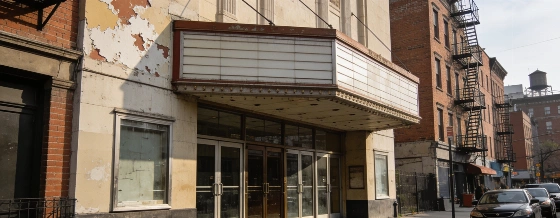
AMC Theatres will close its Kips Bay 15 location in Manhattan by late 2026, as the company continues to invest in select venues and exit others due to landlord decisions and shifting industry dynamics.
AMC Theatres will close its Kips Bay 15 multiplex at 570 2nd Ave. in Manhattan by the end of 2026, concluding a 25-year presence for one of the borough's largest cinemas. The closure results from the property owner's decision to terminate AMC's lease ahead of schedule, as reported by TheStreet. The specific closing date has not yet been announced.
AMC has publicly thanked its loyal patrons, stating it is 'immensely grateful' for their support as the Kips Bay 15 prepares to close.
This move reflects a broader industry trend, as major theater chains reevaluate their real estate portfolios in response to changing consumer behavior and financial pressures. AMC has been closing underperforming or less strategic venues while investing in upgrades at select theaters. According to its latest earnings report, AMC operated 524 U.S. theaters at the end of the second quarter of fiscal 2026, down from 540 a year earlier, and 845 globally.
After the closure of Kips Bay 15, AMC will still maintain a presence in Manhattan with other venues such as Union Square / 19th St. East 6, Empire 25, Lincoln Square 13, and Magic Johnson Harlem 9, ensuring the company does not exit the borough entirely.
AMC's financial results have improved alongside these strategic changes. In the second quarter of fiscal 2026, U.S. revenue rose 13% year over year, admissions revenue increased 11.4%, and attendance climbed 12%. Food and beverage sales grew 14.2%, while the average ticket price declined by 0.5%. Globally, AMC reported a 14.2% increase in revenue to $1.6 billion and a 13.5% rise in attendance to 71.3 million patrons for the quarter.
According to AMC's second quarter 2026 earnings report, the company operated 845 theaters with 9,530 screens worldwide as of June 30, 2026, compared to 864 theaters and 9,717 screens a year earlier. The U.S. portfolio accounted for 524 theaters, down from 540, reflecting ongoing consolidation and selective investment.
For residents of Manhattan's East Side, the loss of Kips Bay 15 means fewer local options for new releases, particularly in premium formats like IMAX. While other AMC locations remain accessible, the closure underscores the evolving theater landscape as companies adapt to changing real estate conditions and audience preferences.
Landlord decisions significantly influence the fate of entertainment venues. In this instance, the property owner's exercise of a lease termination right prompted the closure, despite AMC's improving business performance. The theater is expected to remain open through 2026, with a final closing date to be determined.
Movie theater leases in urban markets often include provisions allowing property owners to end agreements before their scheduled expiration, creating uncertainty for operators and patrons. For AMC and similar companies, balancing these risks with the need to modernize and optimize their portfolios remains a central challenge as the exhibition industry continues to evolve.