Apple's decision to postpone the entry-level iPhone 18 until spring 2027 leaves holiday buyers with only higher-priced Pro models this fall, raising upgrade costs and reshaping the company's revenue strategy during a key sales period
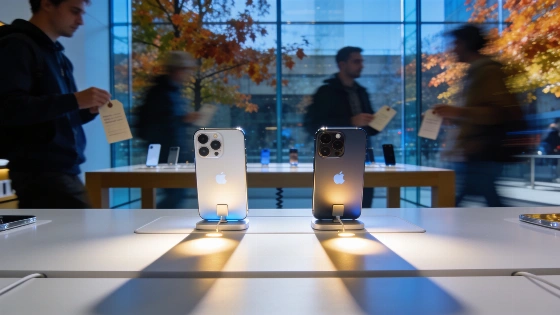
Apple is making a calculated shift in its iPhone launch strategy, holding back the entry-level iPhone 18 until spring 2027 while releasing the iPhone 18 Pro and iPhone 18 Pro Max in September 2026. This move departs from Apple's long-standing pattern of launching all new iPhone models together each fall, and it's designed to drive more customers toward the company's higher-margin Pro devices during the critical holiday shopping season.
For consumers whose carrier contracts expire this autumn, the absence of a new base iPhone 18 means a stark choice: pay an estimated $200 premium for the iPhone 18 Pro or keep using an older device. The mid-tier $799 price point, typically occupied by the standard iPhone, will be missing from Apple's shelves during the busiest retail quarter. As a result, Apple is effectively steering upgraders and gift buyers toward its more expensive models, a tactic that could lift the company's average selling price and bolster revenue at a time when the global smartphone market faces slowing growth and increased competition.
Holiday Sales Impact
By restricting its fall lineup to the iPhone 18 Pro and iPhone 18 Pro Max, Apple is removing the mid-range option that many shoppers have come to expect. This not only increases the financial hurdle for those looking to upgrade but also keeps the iPhone 17's price artificially high in both Apple's own stores and the secondary market. Buyers considering the iPhone 17 late in 2026 may find themselves with a device that quickly loses value once the iPhone 18 arrives in the spring, especially as new software features become standard on newer hardware.
The iPhone 18 Pro models will be the only devices at launch to support the full suite of Apple Intelligence and Siri AI features, as the upcoming iOS 27 requires at least 12GB of RAM for advanced on-device AI processing. Most existing iPhones, including the iPhone 17, do not meet this threshold, meaning that users who want access to the latest AI capabilities will need to opt for the Pro models. This hardware requirement could frustrate many current iPhone owners who are accustomed to receiving major software updates on older devices.
Margin Strategy and Consumer Trade-Offs
Apple's decision to stagger its hardware releases is not the result of supply chain issues but a deliberate effort to maximize profit margins. By delaying the entry-level iPhone 18, Apple is removing the lower-priced alternative during the period when consumer demand is highest. This strategy is likely to increase the company's margin efficiency, as more buyers are funneled toward the higher-priced Pro models. For consumers, the lack of a new mid-tier option means either paying more upfront or waiting until spring 2027 for a more affordable upgrade.
Carrier contracts in the U.S. are typically structured around Apple's annual fall launch, with 12-, 24-, or 36-month terms expiring in sync with new iPhone releases. The absence of a new base model this fall disrupts this cycle, potentially leading some customers to delay upgrades or reconsider their device choices. For those who do upgrade, the higher cost of entry could affect household budgets, especially for families purchasing multiple devices as holiday gifts.
Market Context and Financial Stakes
Apple's approach comes as the company faces a maturing smartphone market, with global shipments declining in recent years. According to IDC, worldwide smartphone shipments fell 3.2% year-over-year in 2023, reflecting both economic headwinds and longer device replacement cycles. Apple's iPhone revenue for the fiscal year ended September 2025 was $205.6 billion, down from $210.1 billion the previous year, highlighting the pressure to maintain profitability through higher average selling prices and premium features.
By making the iPhone 18 Pro the exclusive gateway to new AI-powered features, Apple is betting that enough consumers will pay a premium for the latest technology, even as inflation and economic uncertainty weigh on discretionary spending. The company's strategy also positions the Pro models as the new default for early adopters, potentially accelerating the obsolescence of older devices and reshaping the resale market for used iPhones.
AI Features and Device Value
The introduction of iOS 27 and its advanced Apple Intelligence and Siri AI capabilities marks a significant shift in Apple's product differentiation. With 12GB of RAM required for full functionality, only the iPhone 18 Pro and a handful of recent high-end models will support the latest features at launch. This creates a clear divide between premium and standard devices, with practical implications for users who rely on their phones for productivity, privacy, and emerging AI applications.
For buyers considering the iPhone 17 as a stopgap, the risk is that its resale value could drop sharply once the iPhone 18 arrives and AI features become mainstream. The delayed launch of the entry-level iPhone 18 may also prompt some consumers to postpone upgrades, but Apple's strategy is designed to capture as much high-margin revenue as possible during the holiday quarter, even if it means fewer total units sold in the short term.
Apple's evolving release schedule underscores the company's willingness to disrupt its own playbook in pursuit of higher profitability. As the smartphone market continues to shift, both consumers and investors will be watching closely to see how this strategy affects upgrade patterns, device values, and the broader competitive landscape.
Apple's decision to tie advanced AI features to hardware with higher memory capacity highlights a broader trend in consumer electronics: the growing importance of device specifications in determining access to new software capabilities. As artificial intelligence becomes more central to the smartphone experience, hardware requirements are likely to play a larger role in shaping upgrade cycles, resale values, and consumer expectations. For buyers, understanding these technical distinctions can help inform decisions about when to upgrade and which models offer the best long-term value, especially as software support windows and feature availability become more closely linked to device specifications.