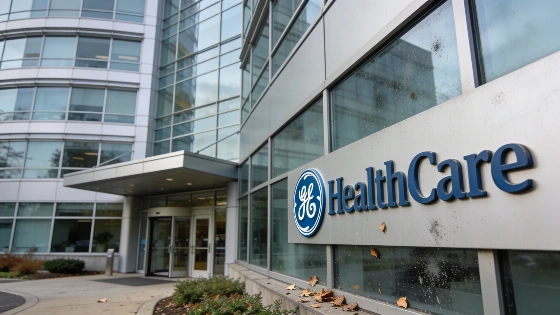
GE HealthCare's 14.3% quarterly dividend increase lifts the cash payment to shareholders. But orders are growing faster than revenue, adjusted margins have slipped, and Patient Care Solutions remains under review.
GE HealthCare announced the payment on September 22. Shareholders of record October 23 will receive 4 cents per share on November 13.
The increase is 14.3% from the previous quarterly payment of 3.5 cents per share, according to Reuters' dividend record. The extra cash is modest. The bigger question is whether stronger demand can lift profits while the company faces cost pressures and reviews its Patient Care Solutions division.
The quarterly dividend rose from $0.035 to $0.04 per share, an increase of 14.3%.
Orders grew 11.1% organically in the second quarter of 2026, up from 3.4% in the same quarter a year earlier. Revenue rose 5.7% to $5.30 billion, with organic revenue growth of 3.5%, according to a quarterly results analysis. Orders point to stronger demand, but they are not sales the company has already recognized.
The gap matters.
Backlog reached $23.9 billion. Adjusted earnings per share rose to $1.13 from $1.06 a year earlier. But adjusted EBIT margin, the share of revenue left after operating costs on an adjusted basis, fell to 14.2% from 14.6%. Patient Care Solutions remained under pressure and was under strategic review. TheStreet also pointed to memory chips, oil and freight costs as pressures on profitability.
Independent coverage put GE HealthCare's next quarterly report on the calendar for October 30, 2026. That date was an expectation for the upcoming release, not a reported result.
Management reaffirmed its full-year 2026 outlook: organic revenue growth of 3% to 4% and adjusted earnings per share of $4.80 to $5.00. It also expects $1.6 billion in free cash flow. That outlook includes an estimated $250 million in inflation-related costs.
Those are the tests.
Investors will look for results within the sales and earnings ranges. They will also watch to see whether cost pressures keep weighing on margins.
Needham initiated coverage with a Buy rating and a $93 price target on September 22, CNBC reported. The analyst expects mid-single-digit revenue growth and high-single-digit earnings-per-share growth over the next year. Needham's base case applies a 17-times multiple to 2027 earnings. This is an analyst view, not a company forecast or a guaranteed share-price outcome.
GEHC closed at $65.37 on Nasdaq September 30. The stock's 52-week range was $58.75 to $89.77, putting it 27.18% below its high. Its reported market capitalization was $29.5 billion.
In European trading on Lang & Schwarz at 3 p.m. CEST on October 1, shares were €57.88, down 0.14% from the prior close of €57.96. One day's move does not establish a trend.
The dividend adds to shareholder returns, but it is not strong evidence of a recovery. Orders and backlog point to demand. The lower adjusted margin and the Patient Care Solutions review show why execution still matters. For investors, the firmer test is whether revenue growth and order momentum can go hand in hand with better profitability.
A dividend is a cash distribution. It does not measure a stock's total return or guarantee earnings growth. Its value depends on the payout, the company's operating performance, and changes in the share price. GE HealthCare's increase is welcome, but business results matter more than the size of one quarterly payment.