
Texas Instruments raised its quarterly dividend to $1.52 per share, extending its annual run of increases to 23 years. The October 27 earnings report will give investors a fresh measure of the company's growth.
Texas Instruments' next earnings report is due October 27. The company has announced a 7% increase in its quarterly dividend to $1.52 per share, subject to formal board approval. That would extend its run of annual increases to 23 years. Investors will also look to the report for signs that recent revenue growth is continuing.
Texas Instruments' second-quarter net income was reported at $1.98 billion, with an operating margin of about 42%.
For the third quarter, Texas Instruments forecast earnings per share of $2.23 to $2.57. A separate market estimate for the October 27 report is $2.39 per diluted share, compared with $1.48 a year earlier. That figure is a forecast, not a reported result. An AI-demand outlook analysis also frames the results as a test of whether the recovery can hold.
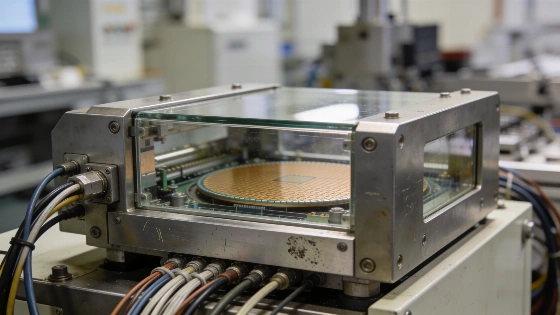
Market coverage has linked recent revenue growth to demand in industrial, automotive and data-center markets. Texas Instruments is also continuing major investment in manufacturing capacity and semiconductor production, making the durability of demand an important consideration alongside its dividend increase.
Texas Instruments is raising its payout while continuing major investment in manufacturing capacity and semiconductor production. Coverage of the company's recovery has also pointed to industrial and automotive demand, as discussed in a semiconductor recovery analysis. A long run of dividend increases may appeal to income-focused shareholders. The streak alone does not show how much room the company has to fund investment and future payouts. The reported revenue and earnings offer useful context, but they do not answer that question.
At 10:10 a.m. EDT on October 1, the Nasdaq quote was $279.41. The company's market capitalization was $255.2 billion. Its 52-week range was $152.73 to $334.03, putting the quote below its high and above its low. That is a time-specific snapshot, not a closing price or a guide to what the shares will do next.
Dividend announcements can draw attention even when companies face different operating conditions. In another payout-focused case, income took on more importance as earnings fell short of estimates. Texas Instruments' reported second-quarter revenue growth and earnings beat make its current picture different. Shareholders still need to separate a higher cash payment from evidence about future performance.
The increase gives shareholders a larger cash return. It does not replace an assessment of the business. Investors can weigh the $6.08 annualized payout against earnings, planned manufacturing investment and the coming results. The latest share price and past dividend record cannot guarantee future returns. Texas Instruments enters its next report with strong year-over-year revenue growth and a higher dividend. The earnings release will offer the next concrete check on both.