Apple is bracing for continued increases in memory chip costs, driven by AI data center demand and tight supply, with potential impacts on iPhone, Mac, and iPad pricing as the company transitions to new leadership
Apple is preparing customers and investors for more expensive devices as the company faces what outgoing CEO Tim Cook described as an unprecedented spike in memory chip costs. The surge, fueled by soaring demand from artificial intelligence data centers, is putting pressure on Apple's margins and could lead to further price hikes for iPhones, Macs, and iPads in the coming quarters.
Cook, who will step down as CEO on September 1 to become executive chairman, used his final earnings call to highlight the severity of the situation. He called the current memory market a "100-year flood," emphasizing that Apple has not seen such rapid and sustained increases in memory prices in his four decades in the industry. John Ternus, Apple's senior hardware executive, will take over as CEO at a time when the company is navigating both leadership change and a challenging supply environment.
AI Drives Memory Shortage
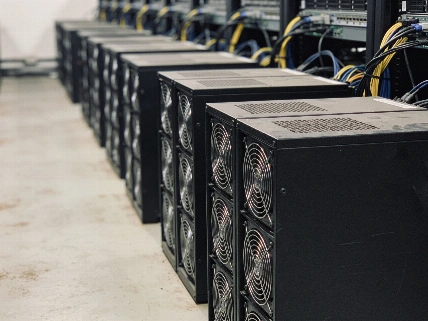
The spike in memory prices is largely attributed to the explosive growth of AI applications, which require vast amounts of high-bandwidth memory and advanced DRAM chips. Major technology firms-including Nvidia, Microsoft, Amazon, and Meta-have been buying up available supply to power their AI data centers, leaving traditional device makers like Apple facing higher costs and limited access.
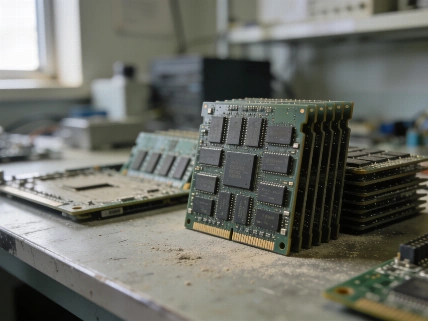
According to reporting by TheStreet, the three companies that dominate the global DRAM market-SK Hynix, Samsung, and Micron-have already sold out much of their premium AI memory capacity through 2026. A class-action lawsuit filed in California in June 2026 alleges these suppliers coordinated to restrict supply and drive up prices, though the claims have not been proven in court. TechInsights estimates that the DRAM package in the upcoming iPhone 18 Pro will cost Apple about $145, compared to $39 for the iPhone 17 Pro-a 272% increase for the same memory capacity.
Financial Impact and Investor Reaction
Apple's third-quarter 2026 results beat Wall Street expectations, with earnings per share of $2.02 and revenue of $109.4 billion. iPhone revenue reached $54.2 billion, exceeding forecasts. Yet the company's gross margin declined sequentially, and Apple's CFO said the entire drop was due to higher memory costs. Without this pressure, margins would have been materially stronger.
Apple has already raised prices on some Macs and iPads, and warned that supply constraints will affect sales of iPhones, Macs, and iPads in the September quarter. The company expects memory costs to climb even higher, only partially offset by lower prices on other components and inventory purchased before the surge. After the earnings call, Apple's stock fell sharply as investors digested the warnings about supply constraints and a cautious outlook for the next quarter, according to Barron's.
Market Structure and Future Risks
The DRAM market's concentration among three suppliers leaves buyers like Apple with little leverage. Cook called for more competition in the memory supply chain, suggesting that the industry's reliance on a handful of vendors is unsustainable. SK Hynix has forecast that 2027 could be the worst year for semiconductor supply shortages in history, while some analysts believe relief may not come until 2028 when new manufacturing capacity is expected to come online. For now, Apple expects to pay higher memory costs for at least another quarter, with the risk that prices could rise further if AI demand continues to outpace supply.
Apple's services business, which includes subscriptions and digital content, continues to grow and now counts 1.5 billion paid subscriptions. However, services revenue for the third quarter came in at $30.7 billion, slightly below analyst expectations. The hardware business remains exposed to rising component costs that services growth alone cannot offset at current price levels.
As Apple transitions to new leadership, the company faces a rare combination of strong product demand and structural supply challenges. The memory cost surge is not expected to resolve quickly, and the company's next earnings calls are likely to remain focused on the impact of AI-driven supply constraints and the evolving dynamics of the global memory market.
According to Apple's Q3 2026 earnings report, the company's gross margin for the quarter was 43.2%, down from 44.5% in the previous quarter. The sequential decline was attributed entirely to higher memory costs, which have now affected Apple's results for three consecutive quarters. The company's stock, which had gained 23% year-to-date before the earnings release, fell after the call as investors reassessed the near-term risks.
The memory chip market is a critical but often overlooked part of the technology supply chain. DRAM (dynamic random-access memory) is essential for everything from smartphones to servers, and its price is highly sensitive to shifts in demand and supply. When AI applications require more memory, device makers can face sudden cost spikes that are difficult to pass on to consumers without affecting sales. The current situation highlights the risks of concentrated supply chains and the challenges companies face when a single component becomes a bottleneck for profitability and growth.