Berkshire Hathaway's new CEO Greg Abel has slashed the company's record cash pile by $32 billion in just one quarter, reversing Warren Buffett's cautious approach and triggering debate over whether this bold deployment will pay off for investors
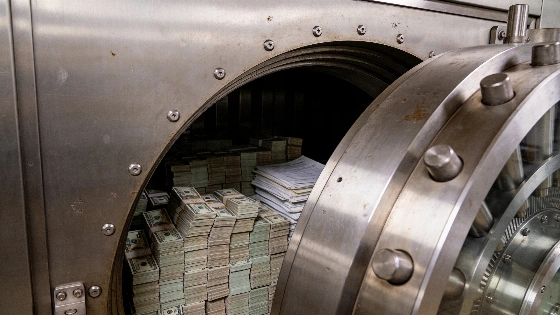
Berkshire Hathaway's longstanding accumulation of cash has reversed course. In the past quarter, new CEO Greg Abel reduced the company's reserves by $32 billion, marking the most significant capital deployment Berkshire has undertaken in recent years. This shift represents a clear departure from Warren Buffett's final years, which were characterized by patience and restraint in major financial decisions.
Berkshire Hathaway accelerated its share buybacks to approximately $4.5 billion in the second quarter of 2026, a dramatic increase from just $235 million in the previous quarter.
Among the most notable investments was a $10 billion private placement in Alphabet, making Google's parent company one of Berkshire's five largest equity holdings. While Buffett initiated the Alphabet position, Abel's decision to expand the stake and accelerate capital deployment signals a new phase for the conglomerate. Reuters data indicates this investment is part of a broader shift in capital allocation under Abel's leadership.
Abel's commitment extends to his personal finances. In March, he purchased 21 Berkshire Class A shares-valued at approximately $15.3 million-using his entire after-tax salary for the year. He has pledged to repeat this purchase annually, directly linking his personal wealth to Berkshire's long-term performance and demonstrating a level of alignment with shareholders that Buffett had not emphasized in recent years.
From patience to action
Buffett's final period as CEO was marked by caution. For 14 consecutive quarters, Berkshire sold more stock than it bought, and share buybacks slowed considerably. The company's cash reserves grew even as markets advanced. By the time Abel assumed leadership on January 1, 2026, Berkshire's cash had reached a record $373.3 billion, according to company filings.
In the second quarter of 2026, Berkshire Hathaway became a net buyer of stocks for the first time in more than three years, purchasing approximately $23.5-25 billion more in equities than it sold. This marked a sharp reversal from the previous 14 quarters, during which the company consistently sold more shares than it bought.
Some market participants question the timing of this shift. Michael Burry, the hedge fund manager known for predicting the 2008 housing crisis, cautioned that Abel's rapid deployment of cash could be risky if markets decline. He argued that Buffett's hallmark patience-waiting for a "fat pitch"-helped Berkshire avoid overpaying in overheated markets. Other asset managers have also raised concerns about valuations, suggesting that Abel's timing could prove costly if stocks retreat from current highs.
Conversely, some analysts view Abel's actions as disciplined. Bill Stone of The Glenview Trust Company noted that Berkshire's capital allocation remains measured, with Abel maintaining the company's traditional focus on quality and value while increasing capital deployment. In the second quarter, Berkshire's operating earnings rose 16% year over year to $12.98 billion, and net income more than doubled to $25.67 billion, supported by strong results in energy, railroads, and manufacturing.
Investor impact and the road ahead
Berkshire shares rose as much as 3.3% following the latest earnings report, reaching their highest level since Buffett's departure was announced. UBS and other major analysts maintained buy ratings, citing the significant deployment of cash and the company's ability to deliver strong operating results even as insurance profits declined.
For investors, the transition from cash accumulation to active deployment introduces new considerations. Berkshire's substantial cash reserve previously served as a buffer against market volatility and a source of capital for future opportunities. Abel's willingness to invest now reduces available cash if markets weaken, but also reflects confidence in finding value despite elevated valuations. The upcoming 13-F filing, expected in November, will indicate whether Abel continues to invest or adjusts in response to market conditions.
Federal Reserve data shows that U.S. nonfinancial corporate cash holdings reached $5.8 trillion at the end of 2025, with Berkshire Hathaway representing a significant portion. The company's decision to deploy capital at this scale is notable in a market where many firms remain cautious, and it may influence how other large investors manage their own cash strategies in the coming months.
Abel's leadership is prompting a reassessment of what constitutes discipline at Berkshire Hathaway. Buffett's cautious approach built a substantial reserve that protected the company from risk but left capital uninvested as markets rose. Abel's strategy now places both his personal wealth and Berkshire's future returns on the line. The coming period will reveal whether this shift toward action delivers superior results, but it is clear that Berkshire's era as a passive cash holder has ended. The company's next phase will be shaped by the risks Abel is prepared to take.
For those evaluating Berkshire's new direction, understanding the impact of capital allocation on long-term returns is essential. Deploying cash in a high-valuation environment can enhance gains if investments perform well, but it also increases exposure to downside risk if valuations contract. The balance between patience and conviction is dynamic, and Berkshire's evolving strategy provides a current example of how leadership style and market timing can reshape even the most established portfolios.